How to Choose the Best Door Entry System in 2026?
Choosing a door entry system in 2026 is no longer just about deciding who gets a key. A visitor may press a video intercom while a delivery driver waits in the rain, and a resident may unlock the lobby from a phone. Behind that simple moment sit hardware, software, connectivity, and daily user habits. Door Entry Systems should make access clearer without making ordinary entry frustrating.
The market is expanding, but growth figures need context. Grand View Research valued the global access control market at USD 10.32 billion in 2023 and projected an 8.4% compound annual growth rate from 2024 to 2030. That forecast signals investment, not proof that every new feature is worthwhile. A polished touchscreen can still be the wrong choice. Bruce Schneier, a security technologist and author, offers a useful principle: “Security is a process, not a product.” His words apply to entry planning, where maintenance and user training matter alongside the device itself.
This guide examines the decisions that shape a sensible purchase: the building’s entry points, visitor handling, credential options, installation needs, privacy, and ongoing support. Check whether the system works during a network outage, and ask who can update access permissions. Those details are easy to overlook. They are also where a system can disappoint. No checklist removes every trade-off, but a careful comparison can help owners and property managers choose a solution that fits their building, budget, and real-world routines.
Define Your Building’s Access and Security Requirements
A door entry system should begin with a clear picture of the building, not a product shortlist. Map every entrance, including loading doors, garage gates, and side exits. Note who needs access, when they need it, and whether visitors or contractors require temporary credentials. A clinic, apartment block, and late-night office have different traffic patterns. Details matter.
Risk deserves equal attention. The FBI’s 2023 Crime in the United States report recorded 839,563 burglary offenses nationwide. That figure does not predict risk at any one building, but it supports checking vulnerable doors and quieter hours. Cybersecurity also matters when entry records or credentials connect to networked systems. Verizon’s 2024 Data Breach Investigations Report found a human element in 68% of breaches it analyzed. Train staff to handle lost cards, tailgating, and unexpected visitors. Small routines count.
Turn these findings into practical requirements: how quickly access must be revoked, what happens during a power or network outage, and who reviews entry logs. Ask whether emergency egress remains clear and whether the system can support different user groups without sharing credentials. Keep only the records needed for security and operations. A spreadsheet may miss how people actually use a door; walk the site during busy and quiet periods, then revise the plan. Good requirements can still be imperfect. That's useful to notice early.
Compare Door Entry System Types and Their Core Functions
How to Choose the Best Door Entry System in 2026?
Compare Door Entry System Types and Their Core Functions
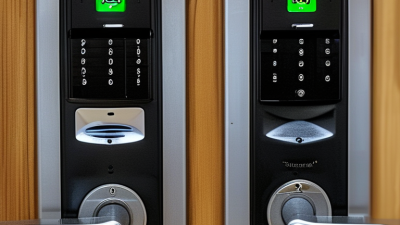
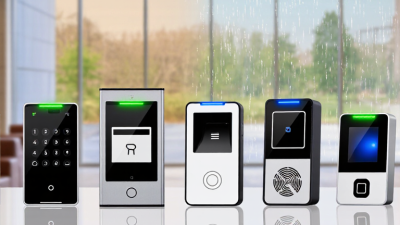
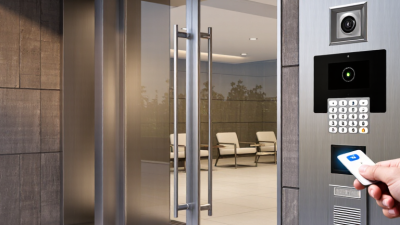
Door entry systems range from simple keypads to networked access control with video intercoms. A keypad is easy to install and suits a small office with predictable users. But codes can be shared, and changes require manual updates. Video intercoms let occupants see and speak with visitors before releasing a door. Networked systems can manage credentials, schedules, and entry records across multiple doors. Mobile credentials add convenience, though phone access may depend on batteries, connectivity, and user habits. Choose by matching functions to real entry needs, not by counting features. MarketsandMarkets’ 2024 Access Control Market report estimated the market at $10.3 billion and projected $15.2 billion by 2029. That growth suggests rising investment, not proof that every site needs advanced controls.
Compare the daily workflow. A residential building may value clear visitor video and remote door release; a busy workplace may need quick credential changes and event logs. Mechanical locks remain straightforward, but they offer limited visibility into who entered. Still, the most advanced setup is not always the best one. A small team may find ongoing administration frustrating.
Tips: List each entrance, user group, and access schedule before comparing systems. Check what happens during a power or network outage. Ask how entry logs are stored and who can review them. Test the visitor experience at the actual door; a confusing screen can undermine a capable system.
Check Compatibility, Security Standards, and Integration Options
How to Choose the Best Door Entry System in 2026?
A door entry system must work with the doors, wiring, readers, and management software already on site. Check the panel’s supported reader protocols, available power, and network requirements before comparing features. If replacing equipment, confirm that existing credentials can be retained or migrated. Small details matter. A reader that fits the wall may still require new cabling or a different controller.
Security depends on more than a strong PIN or camera. Look for encrypted communication between readers and controllers, documented update support, and individual user permissions. The Security Industry Association’s OSDP standard, published as IEC 60839-11-5, supports secure communication between access control components. Verizon’s 2024 Data Breach Investigations Report found that 68% of breaches involved a non-malicious human element. That figure does not measure door systems specifically, but it underscores the value of clear permissions and simple administration.
Integration can reduce daily friction, but only when it is tested. Check whether the system can connect with video, visitor management, alarms, and existing identity tools through documented interfaces. Ask for a demonstration using a realistic scenario: a visitor arrives, staff grant access, and the event appears in the audit log. The 2024 IBM Cost of a Data Breach Report estimated the global average breach cost at $4.88 million. It is not an access-control estimate, but it is a useful reminder to review cybersecurity alongside convenience. Specifications can look reassuring on paper; verify the actual workflow before committing.
Evaluate Costs, User Features, and Long-Term Support
When choosing a door entry system, compare the full cost, not just the hardware quote. Include installation, credentials, recurring software fees, maintenance, and replacement parts. Ask what happens if the internet fails or a reader breaks on a busy Monday morning. Downtime has a cost too.
User features should suit the people who actually use the doors. Can staff manage permissions without calling a technician? Are instructions clear for visitors, and are controls usable for people with different needs? The 2024 Data Breach Investigations Report found that 68% of breaches involved a non-malicious human element. That figure is not specific to door systems, but it underscores why simple, well-managed access matters. Fewer confusing steps may mean fewer mistakes.
Long-term support deserves equal weight. Check how long security updates are provided, whether replacement parts remain available, and how quickly support responds. The 2024 Cost of a Data Breach Report put the global average breach cost at $4.88 million; this is not a door-system price estimate, but it shows the wider stakes of weak security. Request a written support period and a clear upgrade path. I would also test the system with real users before committing. Paper specifications can miss awkward details.
Plan Installation, Testing, and Ongoing Maintenance
Plan around the actual entrance, not just the product sheet.
Record door swing, frame material, power distance, network coverage, and daily traffic. Check how visitors, staff, and emergency responders should enter. A reader mounted beside a sunlit glass door may need different placement from one in a sheltered lobby. Confirm cable routes and backup power before installation begins.
Test every credential type, door position sensor, exit device, alarm, and power-loss response. Keep a dated checklist, and repeat tests after software updates or building changes. Verizon’s 2024 Data Breach Investigations Report found that 68% of breaches involved a non-malicious human element, such as error or social engineering. That figure is not specific to entry systems, but it underlines the value of clear staff procedures and careful account reviews. Small gaps matter. Review access permissions regularly, remove inactive credentials promptly, and inspect loose wiring, worn door closers, and damaged readers. A tidy installation can still fail in real use.
Tips:
Test during a busy period, not only in a quiet office. Keep one spare credential and a simple maintenance log. If a test feels unclear, document the uncertainty and resolve it before relying on the system.