





Why Do Farmers Use Ammonium Sulfate Nitrogen?

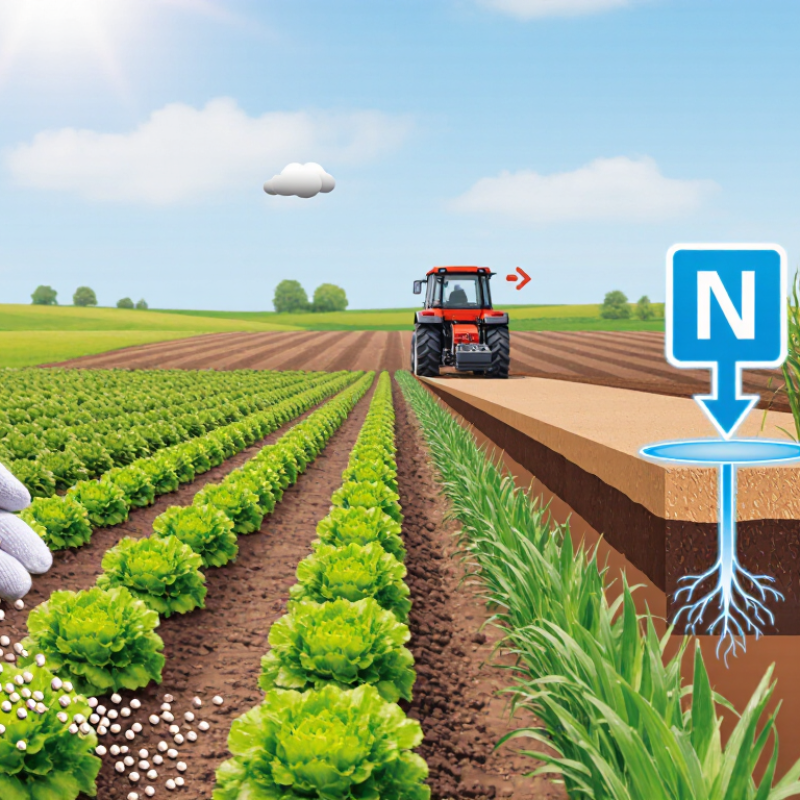
Ammonium Sulfate Nitrogen is used by farmers because it supplies two useful nutrients in one familiar fertilizer: nitrogen and sulfur. Nitrogen supports leafy growth and helps crops build proteins. Sulfur contributes to protein formation and other plant processes. A handful of pale granules spread beside a crop row may look simple, but choosing the right fertilizer takes more than recognizing its ingredients.

Farmers may consider ammonium sulfate when soil tests show a need for both nutrients, or when a crop’s sulfur demand is significant. Its nitrogen is in ammonium form, which soil processes can transform and plants can take up. The fertilizer also tends to acidify soil over time, so that effect can be helpful in some conditions and unwanted in others. Context matters. Soil pH, crop type, rainfall, application timing, and the rates used all shape the result. A field with low sulfur may benefit; a field already high in sulfur may not.

There is no universal rate. A soil test and locally appropriate crop guidance are more reliable than guesswork or a neighbor’s routine. Farmers also need to avoid placing concentrated fertilizer where it could injure seeds or young roots. Even careful planning has limits: weather and soil biology can change nutrient availability after application. Understanding why farmers use Ammonium Sulfate Nitrogen therefore means weighing its practical advantages against field-specific needs, rather than treating it as a one-size-fits-all solution.

Why Do Farmers Use Ammonium Sulfate Nitrogen?

What Ammonium Sulfate Is and How It Supplies Nitrogen

Ammonium sulfate is an inorganic fertilizer made of ammonium and sulfate ions, with the formula (NH₄)₂SO₄. A common fertilizer grade is 21-0-0-24S: about 21% nitrogen and 24% sulfur by weight. USDA Natural Resources Conservation Service nutrient-management guidance and university fertilizer tables report these typical nutrient values. The granules dissolve in moist soil, releasing ammonium that plant roots can absorb. Soil microbes can also convert ammonium into nitrate, another plant-available form. That matters.

Farmers use it when crops need both nitrogen and sulfur, especially where soil tests show low sulfur. Nitrogen supports leafy growth and protein formation; sulfur helps plants build amino acids. The two nutrients work together, but application rates should match soil tests, crop needs, and local guidance. Ammonium sulfate can acidify soil over time, so repeated use deserves attention. It is useful, not magic.

Tips: Check the guaranteed analysis on the fertilizer label, then calculate the rate from the field’s nitrogen and sulfur needs. Avoid applying by habit alone. Keep granules off wet leaves when practical, and reassess soil pH after repeated applications. A field can look healthy while its nutrient balance is drifting.

Which Crops and Soils Benefit Most from Its Use

Ammonium sulfate can suit crops that need both nitrogen and sulfur. Canola, onions, garlic, and many brassicas often respond when soil tests show sulfur is low. Cereals may benefit too, especially on sandy fields where sulfate washes below the root zone. The nitrogen supports leafy growth; sulfur helps plants build proteins. Not everywhere.

Soil conditions matter. On calcareous or high-pH soils, ammonium sulfate can supply nitrogen without adding more lime. Its repeated use can gradually lower soil pH near the application zone, but it is not a quick remedy for alkaline soil. On already acidic fields, that effect may be unwelcome. Check pH first, particularly where crops such as alfalfa are grown.

A soil test can reveal whether sulfur is actually deficient; yellow leaves alone are not proof, since nitrogen shortage can look similar. Sandy soils with low organic matter deserve attention, as do fields after heavy rain. Apply rates according to crop needs and local recommendations, and avoid placing concentrated fertilizer against seeds or young roots. More is not safer. It is easy to assume a sulfur-loving crop always needs this fertilizer, but that assumption can waste nitrogen and deepen acidity. The right choice depends on the field, not just the crop.

How Its Nitrogen and Sulfur Support Plant Growth

Ammonium sulfate supplies nitrogen and sulfur in one granular fertilizer. Nitrogen supports chlorophyll and protein production, helping plants develop leaves and stems. Sulfur helps plants make certain amino acids and enzymes. Together, these nutrients can support healthy growth when the soil is short of either one. But pale leaves do not always mean a nutrient deficiency; other problems can look similar.

A common fertilizer grade contains about 21 percent nitrogen and 24 percent sulfur, though products can vary. Its ammonium nitrogen becomes available through soil processes, while repeated use may gradually increase soil acidity. That change can matter for crops growing in already acidic soil. A soil test gives farmers a more reliable starting point than judging plant color alone. The right rate depends on the crop, soil conditions, and other nutrient sources. It is easy to focus on greener leaves and overlook the longer-term effect on soil pH.

Tips: Check soil pH and sulfur levels before applying. Follow local crop guidance, and avoid adding fertilizer simply because plants look pale. Small checks matter. Reassess after application, especially where ammonium sulfate is used regularly.

How Farmers Apply It for Effective Nutrient Management

Ammonium sulfate supplies about 21% nitrogen and 24% sulfur by weight, making it useful where soil tests show both nutrients are needed. The International Fertilizer Association reported global fertilizer consumption of 192.5 million tonnes of nutrients in 2022. That scale makes careful placement and timing important. Farmers should not treat the fertilizer grade as a field-specific prescription. Soil tests, crop needs, and realistic yield goals matter more.

Before application, growers can compare soil-test results with crop nutrient needs and account for manure or other fertilizer inputs. USDA NRCS Nutrient Management Standard 590 emphasizes planning nutrient rates, timing, and placement. Farmers may apply ammonium sulfate before planting, incorporate it into the soil, or use a suitable side-dress application. Keep granules away from seeds and young roots when concentrated contact could injure them. Timing matters. Rainfall forecasts, soil conditions, and crop stage all affect nitrogen loss and uptake. Repeated use can lower soil pH, so monitor pH and adjust management when needed. It is tempting to focus on the bag’s guaranteed analysis; field records and follow-up soil tests often reveal what the crop actually used.

What Limitations and Environmental Risks Farmers Consider

Ammonium sulfate supplies nitrogen and sulfur, but its effects depend on the field. As ammonium converts to nitrate in soil, acidity can build over time. That matters. On already acidic ground, repeated applications may lower pH enough to restrict crop access to nutrients. Soil testing helps reveal whether lime or a different nitrogen source is needed; a single test, though, cannot capture every seasonal change.

Placement and weather also shape environmental risk. A heavy application before rain can leave nitrate vulnerable to leaching, especially in sandy soil, or runoff toward nearby water. Sulfate may move downward too, sometimes carrying calcium and magnesium with it. Surface-applied fertilizer can lose ammonia under certain conditions, particularly on high-pH soil or crop residue. It is easy to assume one rate fits every field. It does not. High salt concentrations near seed or roots may injure young plants, so timing, placement, soil texture, and crop demand deserve attention. Records from previous seasons can help, but they should not replace current soil and crop observations.

Cart Summary

Subtotal: $0