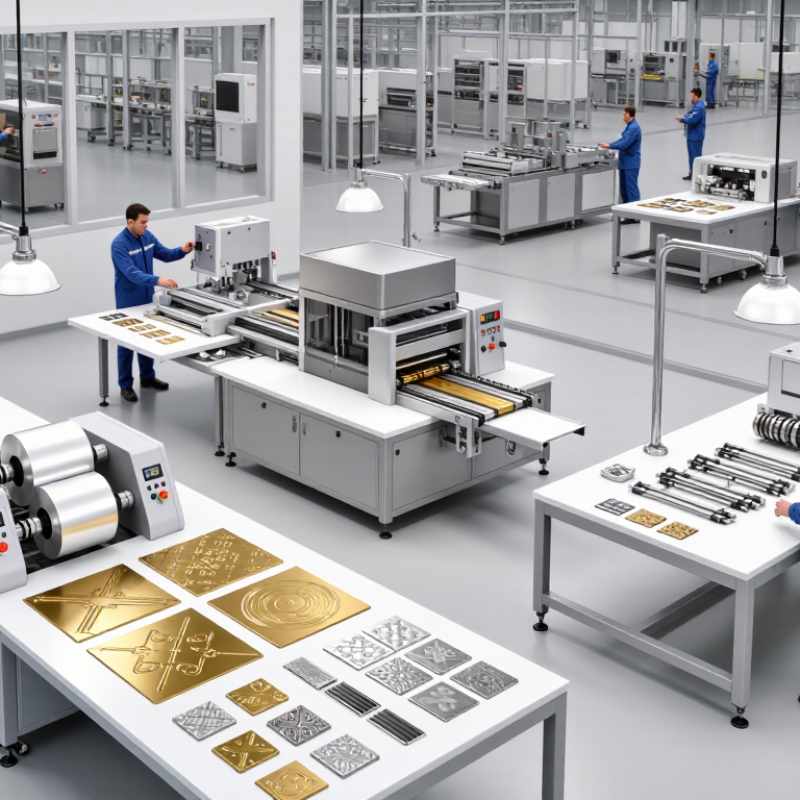
Why Compare Bronzing Machine Manufacturers?

Why compare Bronzing Machine Manufacturers? Because a foil finish can make a package feel premium, but inconsistent registration or uneven heat can ruin the result. Choosing a supplier is not just about the machine’s quoted speed. It is about repeatable quality, operator safety, service support, and the cost of keeping production running.

The market context matters. Smithers’ report, The Future of Global Packaging to 2028, valued the worldwide packaging market at about $1.17 trillion in 2023 and projected growth to $1.42 trillion by 2028. That broad forecast is not a bronzing-machine sales figure. Still, it signals why converters scrutinize finishing equipment as packaging demand expands. Compare machine samples, foil compatibility, pressure and temperature controls, changeover time, and access to spare parts. Ask suppliers to demonstrate a real job, not only a polished showroom run.

“Quality is everyone’s responsibility,” wrote manufacturing-quality expert W. Edwards Deming. His principle applies to bronzing: dependable results rely on equipment, setup, materials, and trained operators. A careful comparison should test each element. Look closely at fine lettering, edges, and registration under consistent lighting. Then check what happens when something needs adjustment. One practical detail is often overlooked: response time. A low purchase price can feel less attractive when a production line waits for support. The comparison is useful, but imperfect; factory conditions differ, and no brochure can replace a documented trial on your own stock.

Why Compare Bronzing Machine Manufacturers?

What Bronzing Machines Do and Where They Are Used

A Bronzing Machine transfers metallic or colored foil onto a surface using a heated die, controlled pressure, and timed contact. The die carries a design, while the foil’s coating releases only where heat and pressure meet the material. This creates shiny lettering, borders, or fine decorative patterns. Heat and pressure must suit the substrate. Too much can flatten paper or blur small details; too little can leave gaps. Small details matter.

Common uses include book covers, greeting cards, product labels, and folding cartons. Packaging teams may add a metallic logo to a paper box, while print shops use foil on invitations or certificates. Some machines can handle compatible plastics or leather, but each material needs testing. A first pass may look uneven; that is not always a machine fault. Foil type, surface texture, and artwork can all affect the result. When comparing manufacturers, ask about adjustable temperature, pressure, feeding, and registration. Request a sample using your actual material and design. Setup takes practice.

Which Differences Between Manufacturers Matter Most

When comparing bronzing machine manufacturers, look beyond advertised output. Ask how evenly the equipment applies product across different body areas, and what settings operators can adjust. A patchy result near the ankles or a damp floor from overspray can reveal more than a polished product photo. Small details matter.

Controls should be clear, repeatable, and easy to clean. Ask for operating instructions, routine maintenance steps, and a list of parts that may need regular replacement. How quickly can a filter, hose, or nozzle be sourced? Ask for service response times, too. Downtime has a real cost. A low purchase price may not stay low if support is hard to reach.

Request demonstrations using realistic operating conditions, not just ideal showroom settings. Check whether airflow, noise, and product use are documented, and ask what training is included for staff. Compare written warranty terms rather than relying on verbal assurances. A brochure can make every unit look effortless; actual rooms are less tidy. I would also ask current users about cleaning time and recurring issues, while remembering that their setup may differ from yours. Those conversations can be imperfect, but useful.

Why Compare Bronzing Machine Manufacturers? - Which Differences Between Manufacturers Matter Most

Comparison Dimension What May Differ Between Manufacturers Why the Difference Matters What to Check Before Choosing
Machine configuration Available formats, feeding methods, automation options, and support for sheet-fed or roll-fed production. The configuration determines whether the machine fits the job mix, production workflow, and available floor space. Compare the proposed machine layout with your actual material sizes, job types, workflow, and planned production volume.
Substrate and foil compatibility Supported materials can vary, including paper, paperboard, coated stock, and certain synthetic materials. Compatible foil types also depend on the process and application. A setup that works well on one material may not transfer directly to another; unsuitable combinations can produce inconsistent transfer or surface defects. Ask for trials using your own substrate, foil, artwork, and required finish. Confirm any material limitations in writing.
Heat and pressure control Manufacturers may differ in heating-zone design, temperature adjustment, pressure adjustment, and how evenly heat and pressure are applied across the working area. Stable, even process conditions help achieve consistent foil transfer and reduce defects across a sheet or production run. Review the control settings and test results across the intended working area, not only on a small sample.
Registration and positioning Registration aids, feed alignment, sensor options, and adjustment methods vary by machine design and automation level. Accurate positioning is important when the foil image must align with printed graphics or other finishing features. Run a representative alignment test and examine repeatability across multiple sheets and normal operating conditions.
Production speed and changeover Effective output depends on machine design, job complexity, material handling, setup time, and operator adjustments—not just a stated maximum speed. Realistic throughput affects delivery planning, labor requirements, and the cost of short or frequently changing jobs. Request a timed demonstration using a comparable job, including setup, adjustment, and changeover time.
Quality checks and process support The level of commissioning, operator training, troubleshooting guidance, and process documentation can differ. Good support helps operators establish repeatable settings and resolve quality issues without prolonged production interruptions. Clarify what installation, training, sample testing, manuals, and remote or on-site troubleshooting are included.
Safety and maintenance Guarding, emergency stops, access for cleaning, routine maintenance requirements, and safety documentation may vary by model and market. Safe operation and manageable maintenance help protect operators and support dependable day-to-day use. Inspect the machine’s safeguards and maintenance access, and verify applicable safety documentation for your location.
Service, parts, and lifecycle cost Response arrangements, parts availability, warranty terms, and the clarity of service procedures may differ. The purchase price alone does not show the potential cost of downtime, maintenance, consumables, or future support. Compare written warranty terms, service response expectations, recommended spare parts, and estimated routine maintenance needs.

Comparison tip: Evaluate manufacturers using the same sample job, substrate, foil, quality requirements, and production assumptions so that the results are directly comparable.

How to Compare Machine Performance and Specifications

Why Compare Bronzing Machine Manufacturers?

A useful comparison starts with repeatable performance, not the highest speed on a brochure. Check the rated output against your actual material, sheet size, and finish. Ask how registration accuracy is measured, and request results from a sustained production run. A brief demonstration may not reveal heat drift or pressure variation. I would not treat one showroom run as proof. Small details matter.

Record cycle time, rejected sheets, changeover time, and energy use under the same conditions for each machine. The U.S. Department of Energy’s 2014 sourcebook, Improving Motor and Drive System Performance, estimates that motor-driven systems account for about 68% of U.S. manufacturing electricity use. That is a factory-wide estimate, not a bronzing-machine benchmark. Still, it supports checking actual energy consumption rather than relying on motor ratings. Compare kilowatt-hours per 1,000 finished sheets, alongside output quality.

Request temperature readings across the working surface, pressure settings, and registration results on the same test material. Ask how often calibration and routine maintenance are required, and what evidence supports those intervals. A glossy sample can hide inconsistent results across a full shift. Note the test conditions carefully; otherwise, the comparison may be neat but not useful. A simple log of settings and defects can expose gaps that a specification sheet leaves out.

Why Compare Bronzing Machine Manufacturers? — How to Compare Machine Performance and Specifications

Use standard ISO 216 sheet sizes as a practical reference when comparing a machine’s maximum sheet format. Check that its usable sheet area accommodates your jobs, then compare speed, registration accuracy, foil-feed capability, and setup requirements using each supplier’s technical datasheet.

Reference dimensions: ISO 216 A-series paper sizes. Machine capacity and usable working area vary by model; confirm specifications with the manufacturer.

How Quality, Support, and Compliance Affect Value

A bronzing machine’s value shows up in the details: even foil transfer, steady temperature, and clean registration across repeated runs. Ask manufacturers how they test these points, and request sample results on materials similar to yours. A glossy demonstration can hide uneven pressure at the edges. That matters. Check whether operators can adjust settings without guesswork, and whether replacement parts are readily available. Small setup delays add up during a busy production shift.

Support is part of the purchase, not an optional extra. Ask how quickly technicians respond, what training is included, and whether troubleshooting guides use clear diagrams. Then review the documentation. Electrical information, machine guarding details, and operating instructions should be specific to the model and suitable for your region. Compliance rules vary, so verify claims with the relevant documentation rather than relying on a salesperson’s assurance. Compare warranty terms and service costs, too. A low initial price may look attractive, but downtime can make it expensive. I would still want to see the machine running over a longer trial; one successful sample proves less than it seems.

How Manufacturer Comparisons Guide Purchasing Decisions

Comparing bronzing machine manufacturers helps buyers test whether quoted performance matches real production needs. Ask each supplier to process the same material sample under agreed settings. Record line speed, temperature stability, pressure consistency, changeover time, and visible defects. Small details matter. A glossy sample may look convincing, yet hide slow setup or uneven results across a wider sheet.

Compare more than purchase price. Request energy-use figures, maintenance intervals, spare-parts lead times, operator training, and service response commitments in writing. The International Energy Agency’s Energy Efficiency 2023 report estimates that industry uses about 37% of global energy. That figure does not predict one machine’s consumption, but it makes energy efficiency worth checking against your own duty cycle.

Ask for test conditions behind every performance claim; figures from different materials or operating speeds may not be comparable.

A reference visit can reveal practical issues, such as cleanup time or access to wear parts. The comparison will still be imperfect: factory conditions differ, and not every supplier can test your exact substrate. Note those gaps before approving a purchase.

Cart Summary

Subtotal: $0