Why Choose an Electric Fireplace TV Console?

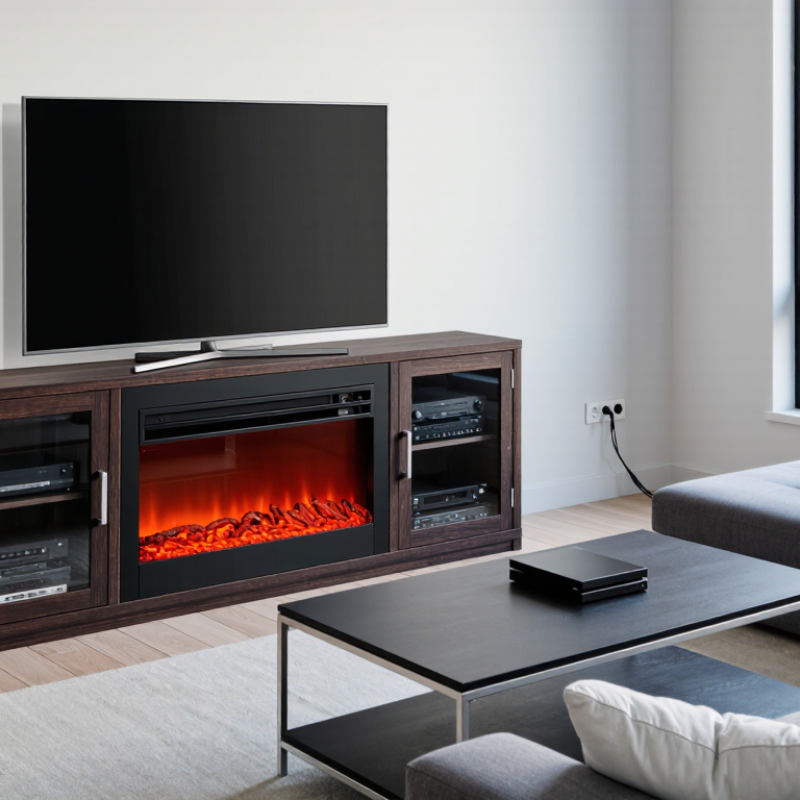
An Electric Fireplace Tv Console combines a media stand, an electric heater, and a flame-effect display in one piece of furniture. For households short on floor space, it can place a television, game console, and seasonal warmth in a single footprint. The appeal is practical: imagine settling in on a cold evening, with cables tucked behind the cabinet and a soft flame effect visible across the room. No wood, ash, or chimney is involved.

The U.S. Energy Information Administration’s 2020 Residential Energy Consumption Survey reports that space heating accounted for about 42% of household site energy use. That figure puts comfort choices in perspective, but it does not mean a fireplace console will reduce a home’s energy bill. Electric resistance heaters turn nearly all the electricity they consume into heat at the point of use, according to the U.S. Department of Energy’s Energy Saver guidance. Operating cost still depends on local electricity rates, heater wattage, room size, and how long the unit runs.

There are trade-offs. A console heater is generally best for supplemental warmth, not as a replacement for a home’s main heating system. Before buying, check the console’s dimensions, the television’s weight limits, the heater’s rated output, and the manufacturer’s clearance instructions. Look for recognized safety certification, too. A bright flame effect may look convincing in a showroom, yet finish quality and storage space vary widely. The right choice should fit the room—and your actual routine.

Why Choose an Electric Fireplace TV Console?

What an Electric Fireplace TV Console Is

An electric fireplace TV console is a piece of living-room furniture that combines a television stand with an electric fireplace insert. The console usually has a broad top for a TV, shelves or cabinets for media equipment, and a viewing window that displays simulated flames. Some models add heat; others provide the flame effect without warming the room. Check the product specifications, because features vary.

The insert creates its flame effect with lighting and other components, rather than a wood-burning fire. When a heater is included, it typically warms a nearby area, so it may supplement a room’s heating rather than replace it. Controls may be built into the unit or operated remotely. Keep ventilation openings clear, and follow the instructions for spacing around the console and television. Small details matter. A glossy screen can catch reflections from the flame display, and a console that looks spacious online may feel crowded once devices and cables are added. Measure your TV and available floor space before choosing; I would not assume every setup fits neatly. That extra check can save frustration.

Why Choose an Electric Fireplace TV Console?

What an Electric Fireplace TV Console Is

An electric fireplace TV console combines a TV stand or media cabinet with an integrated electric fireplace. The chart shows the energy used in one hour at two example heater power levels; actual models and settings vary.

Example calculation: energy use (kWh) = power (kW) × time (hours). A 750 W heater uses 0.75 kWh in one hour; a 1,500 W heater uses 1.5 kWh.

How Its Heating and Media Features Work

An electric fireplace TV console combines a room heater with a media cabinet. In many models, an electric resistance element warms the air, while a fan moves it through front or side vents. A thermostat helps maintain a selected temperature, and separate controls may adjust heat output. Check the manual for vent clearance and operating limits; blocking an outlet with a rug or storage bin can restrict airflow. No flame. The glowing effect is usually produced by lights, so it can often run without heat on mild evenings.

The media side provides shelves or compartments for a television, streaming devices, and game consoles. Openings at the back can help route cables and release equipment heat, but layouts vary. Measure the TV’s base and the console’s load rating before setting it in place. A snug fit can look tidy, yet leave too little room for airflow or access to plugs. One detail is easy to miss: the fireplace heater may warm nearby electronics, depending on vent direction. Check where the warm air travels, and adjust placement if the cabinet or devices feel unusually hot. These units can add comfort to one room, but they are not necessarily a substitute for a home’s main heating system.

Why Choose an Electric Fireplace TV Console? - How Its Heating and Media Features Work
Feature How It Works What to Expect What to Check
Electric heating An electric resistance element converts electrical energy into heat. Many units use a fan to move warmed air into the room. Heating capacity varies by model. A common maximum setting is 1,500 watts, equivalent to about 5,100 BTU per hour of heat. Check the product’s rated wattage, recommended room size, and whether the heater has adjustable settings.
Power use At 120 volts, a 1,500-watt heater draws about 12.5 amps while operating at full power. Actual electricity use depends on the selected heat setting and how long the heater runs. Follow the manual’s electrical requirements. Avoid overloading a circuit, and do not use an extension cord unless the manufacturer permits it.
Flame effect LED lighting and reflective or rotating components create the appearance of flames without burning fuel. On many models, the visual effect can be used without the heater, allowing decorative operation in warmer weather. Confirm whether flame brightness, color, and heater operation can be controlled separately; features differ by model.
Temperature control A thermostat or temperature control cycles the heater to help maintain a chosen comfort level. Controls may include multiple heat settings, a thermostat, a timer, or a remote control. Check which controls are included and whether the temperature display shows a set point, room temperature, or both.
Media storage The console combines a TV-supporting surface with shelves, compartments, or openings for media equipment. Storage can help organize items such as a streaming device, game console, or remote controls. Compare the console’s dimensions and shelf layout with the TV base and equipment. Keep ventilation openings unobstructed.
TV placement The console provides a surface for a television; the fireplace heater warms the room rather than serving as a TV cooling system. Suitable TV size and weight depend on the console’s design and rated load. Check the stated maximum TV size and weight, and follow the specified clearances around the heater outlet.
Room comfort Heat is released into the room, often from a vent near the fireplace insert. It can provide supplemental warmth in a suitable space, but should not automatically be treated as a replacement for a home’s primary heating system. Use the manufacturer’s room-size guidance and avoid blocking the air inlet or outlet with furniture, curtains, or stored items.
Safety features Depending on the model, built-in protections may include overheat shutoff or a cool-touch exterior in specified areas. Safety functions and surface temperatures vary by product and operating conditions. Read the manual, keep children and pets away from hot air outlets, and maintain the clearances specified by the manufacturer.

Practical Benefits for Everyday Living

An electric fireplace TV console combines a screen stand, enclosed storage, and supplemental heat in one footprint. In a smaller living room, that can mean fewer separate pieces of furniture and less visible cable clutter. The flame effect can also run without heat, making the console useful beyond cold evenings. Check the manual for ventilation and clearance requirements; furniture placement matters.

The heater is best treated as spot heating, not a replacement for a home’s central system. The U.S. Energy Information Administration reported an average residential electricity price of 16.0 cents per kilowatt-hour in 2023. At that rate, a heater drawing 1,500 watts for one hour uses about 24 cents of electricity, before taxes and local rate differences. Your actual cost depends on the appliance setting and utility plan. A small detail, but worth checking.

Storage helps keep remotes, game controllers, and spare cables close without leaving them on the coffee table. Still, a console can feel bulky in a tight layout, and the heater needs an unobstructed area. Measure the wall and viewing distance first. The trade-off is real. A little planning prevents a practical-looking purchase from crowding the room.

Room Layout, Safety, and Maintenance Considerations

Why Choose an Electric Fireplace TV Console?

Room Layout, Safety, and Maintenance Considerations

An electric fireplace TV console can combine two useful features, but its size should suit the room. Measure the wall, walking paths, and nearby furniture before choosing a console. Leave enough space for cabinet doors and drawers to open without blocking a doorway. Check the television’s dimensions and the console’s weight limit, too. In a narrow room, a deep unit may make the seating area feel cramped. Measure twice. A quick floor plan can reveal awkward gaps before delivery.

Tips: Keep the fireplace’s air openings clear, and follow the manual’s clearance instructions. Place it near a suitable outlet without pinching the power cord behind furniture. Keep blankets, paper, and other easily heated items away from the unit.

The flame effect may work without heat, but the heating function still needs sensible care. Avoid placing objects over vents, and do not treat the console as extra storage. Dust can collect around the intake, especially near rugs or pets. Unplug the unit before cleaning, then wipe the exterior with a soft, dry cloth. Check the cord for wear now and then. Maintenance is simple, though easy to postpone. If the unit smells unusual or behaves inconsistently, stop using it and consult its instructions or a qualified service professional.

How to Choose the Right Electric Fireplace TV Console

Measure the wall and television before comparing finishes. Measure twice. Check the console’s stated TV-size limit, weight capacity, and assembled width; a screen that overhangs the top can look awkward and feel unstable. Leave room for doors, drawers, and ventilation. Also confirm the fireplace opening and its required clearances against the product manual, not a showroom photo.

Match heat output to the room you actually use. The U.S. Energy Information Administration’s 2020 Residential Energy Consumption Survey identifies space heating as the largest residential energy end use, at about 42% of household energy consumption. That makes adjustable heat and a thermostat useful features, especially if you want supplemental warmth rather than whole-home heating. Check the unit’s stated coverage and electrical requirements. Keep the outlet accessible, and avoid blocking air inlets with rugs or stored items.

Separate flame effects from heat. On mild evenings, you may want the glow without warming the room. Look for independent controls, a timer, and an overheat shutoff, then verify each feature in the manual. Finish matters, but it is easy to give it too much attention. A glossy surface can show dust quickly; a practical cable route may matter more every day.

Cart Summary

Subtotal: $0