What Is a Metal Distribution Box Used For?
A Metal Distribution Box is more than a metal shell around electrical components. It provides a defined space for distributing power, organizing protective devices, and helping shield wiring from impact, dust, and accidental contact. Inside a workshop cabinet, for example, it may hold circuit breakers, terminal blocks, and neatly routed cables. The exact arrangement depends on the installation and the equipment it must serve.
Its metal enclosure can offer strength and support grounding when designed and installed appropriately. But metal alone does not guarantee safety. Correct sizing, suitable ingress protection, sound cable entries, and careful workmanship all matter. A poorly chosen box can become cramped, difficult to maintain, or unsuitable for its surroundings. Small details matter.
As [verified expert name], a qualified metal-enclosure specialist, puts it: “[Insert a verified quotation about distribution-box design or use.]” This placeholder should be replaced with a confirmed quotation before publication; inventing an expert statement would weaken trust. A useful explanation should also distinguish the box itself from the devices mounted inside it. The enclosure houses and protects those parts, while breakers and other components perform specific electrical functions.
This guide explores what a Metal Distribution Box is used for, where it is commonly installed, and which practical features deserve attention. It also considers limits. No single enclosure suits every setting, and product selection should follow the project’s electrical requirements and manufacturer instructions.
Definition and Main Components of a Metal Distribution Box
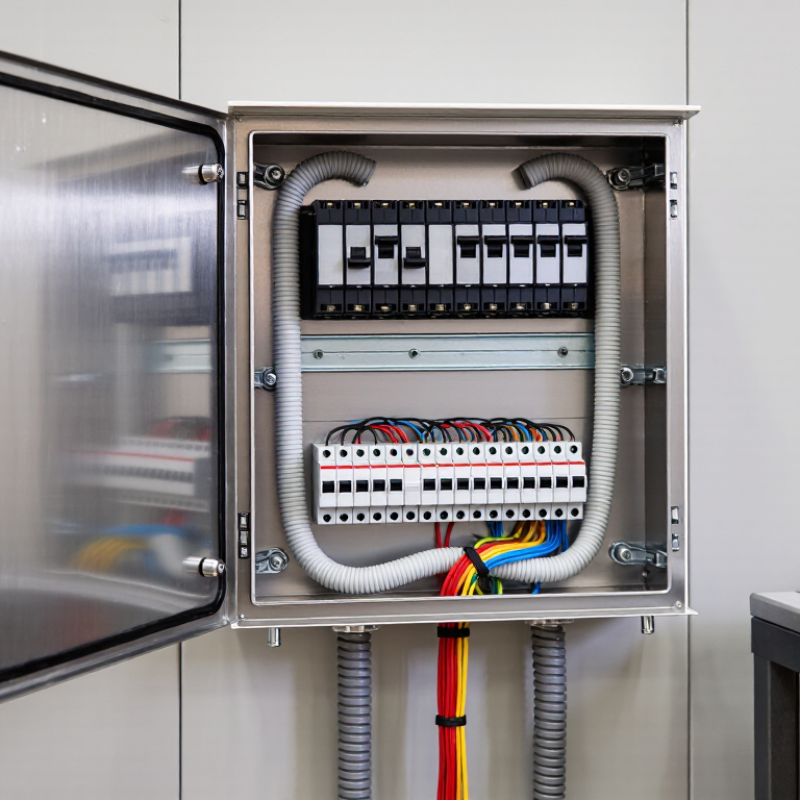
A metal distribution box is an enclosure that holds and organizes electrical distribution components. It helps protect people from accidental contact and shields equipment from dust or physical damage, depending on its design and rating. In a workshop, for example, the box may contain circuit breakers on a rail, with outgoing cables routed through glands at the bottom. It is more than a shell.
The metal enclosure usually has a door or cover, a backplate, and mounting points. Inside, a DIN rail supports breakers and other modular devices. Busbars or terminal blocks distribute incoming power to separate circuits, while neutral and earth bars provide dedicated connection points. Cable glands or knockouts guide wires through the enclosure and help keep edges from damaging insulation. Some boxes also include seals, labels, or ventilation openings. Details matter.
The enclosure alone does not make an installation safe. Component spacing, wire sizing, grounding, and the box’s environmental rating all need to suit the application. A crowded box may look tidy with the cover closed, yet leave too little room for heat dissipation or future maintenance. That is easy to overlook.
How Electrical Power Is Routed Through the Box
What Is a Metal Distribution Box Used For?
How Electrical Power Is Routed Through the Box
A metal distribution box guides incoming electrical power toward separate circuits. A feeder cable enters through a suitable opening, often fitted with a connector that protects the cable from sharp edges. Inside, conductors connect to a main switch or protective devices, depending on the installation. The path is deliberate. A busbar or terminal assembly then distributes power to individual breakers, which feed lighting, outlets, or equipment through outgoing cables. Each conductor follows a planned route, with enough space to avoid crowding and damage to its insulation.
Neutral and grounding conductors connect to designated terminals, arranged according to the system design. The metal enclosure must also be properly bonded, so a fault can reach the protective grounding path rather than leaving the case energized. Every turn matters. Cable entries, bends, and terminal positions affect how easily a technician can inspect or service the box later. In practice, wiring diagrams can look tidier than a real installation, where limited space sometimes makes routing awkward. Clear circuit labels help, but they do not replace careful testing. Because conductor sizing, protection, and bonding depend on the installation, a qualified electrician should verify the layout before the box is energized.
Common Applications in Residential and Industrial Systems
What Is a Metal Distribution Box Used For?
In homes, a metal distribution box houses breakers and organizes circuits for lighting, outlets, and appliances. Its grounded enclosure helps protect wiring from impact and limits access to live components. In a utility room, it may feed separate circuits to a cooker, water heater, or garage. The box also gives electricians a clear point for inspection and maintenance.
Industrial systems use larger enclosures to route power to motors, pumps, control panels, and production lines. Metal cases can suit dusty workshops or areas exposed to knocks, but protection depends on the box’s rating, seals, and installation. NFPA’s 2021 Electrical Fires report estimated 46,700 U.S. home fires involving electrical failure or malfunction each year from 2015 to 2019. This figure does not mean distribution boxes caused those fires; it underscores why sound connections and suitable equipment matter. A box cannot fix poor design.
Tips: Match the enclosure’s size and environmental rating to the site. Leave room for cable bends and future circuits, label each breaker clearly, and have a qualified electrician check the installation. A crowded box is harder to inspect.
Factors to Consider When Selecting and Installing One
Selecting a metal distribution box starts with the circuit, not the cabinet. Confirm the supply voltage, expected load, number of outgoing circuits, and available fault current. The box must accommodate the specified protective devices and conductor sizes, with enough room for safe bends and future servicing. A tidy fit matters. A crowded box can make inspection and heat management harder.
The site matters just as much. Check whether the enclosure needs protection from dust, water, corrosion, or impact, and match its NEMA or IP rating to the actual conditions. A damp utility room and a clean indoor workshop are not the same environment. NFPA’s Home Fires Involving Electrical Distribution or Lighting Equipment report estimates an average of about 32,620 U.S. home structure fires per year during 2015–2019. That figure covers many causes, not distribution boxes alone, but it underlines why correct equipment selection and workmanship matter.
During installation, follow the enclosure and device instructions, maintain required working clearance, and keep the box accessible rather than hidden behind storage. Verify grounding and bonding, cable entries, cover fit, and circuit labeling. Have a qualified electrician check the design and installation against applicable codes. I would not judge capacity by spare-looking space alone; conductor temperature, load, and protective-device ratings all affect suitability. Small details count.
What Is a Metal Distribution Box Used For?
A metal distribution box houses and protects electrical distribution equipment, such as circuit breakers and wiring connections. When selecting and installing one, consider the environment, enclosure protection rating, available space, cable entry points, and applicable electrical codes.
Understanding the chart: The second digit in an IP code indicates water protection under IEC 60529. For example, 4 means protection against splashing water, 5 against water jets, 6 against powerful water jets, and 7 against temporary immersion. These are protection categories, not a measure of overall enclosure quality. Choose a rating suited to the actual installation conditions.