Top 10 Wall Cladding Options for Your Next Project?
When it comes to enhancing the aesthetics and functionality of a building, Wall Cladding plays a pivotal role. Renowned architect Lisa Thompson, an expert in sustainable design, once stated, "Choosing the right wall cladding transforms not just the exterior, but the entire feel of a space." This insight underscores the importance of understanding the various wall cladding options available today.
Selecting the perfect wall cladding can be overwhelming. With a plethora of materials such as wood, metal, stone, and vinyl, each brings its own unique character and benefits. However, it's crucial to consider durability, maintenance, and environmental impact when making a choice. A poorly selected material may lead to expensive repairs down the road. Additionally, aesthetics should align with the overall design vision, ensuring that the exterior complements the interior.
This exploration into the top wall cladding options aims to highlight both popular choices and newer innovations. Each option has potential benefits and drawbacks. Reflecting on what works best for specific projects can provide clarity. Ultimately, informed decisions will enhance not just the appearance, but the long-term value of the property. Embracing this thought process is essential for both residential and commercial developments.
Understanding Wall Cladding: Definition and Importance
Wall cladding plays a crucial role in both aesthetic appeal and functional performance. Essentially, it is a material layer applied to the exterior or interior walls of a structure. This layer protects the building from weather elements and provides insulation. Moreover, it enhances the visual character of a space. Different materials, like wood, metal, and vinyl, can all be used to achieve unique looks.
When choosing wall cladding, consider the climate and environment. Some materials perform better in humid conditions, while others work well in dry climates. Reflect on your project's overall theme. Choosing the right color and texture can significantly impact the ambiance. A well-thought-out cladding choice can elevate the design.
Tips: Always consult building codes and regulations before finalizing materials. Factors like durability and maintenance may vary significantly. Do not overlook potential hidden costs, such as installation and long-term maintenance. Many cladding options require regular upkeep. Reflect on how your choice will hold up over time, both in performance and style.
Exploring Different Materials for Wall Cladding Solutions
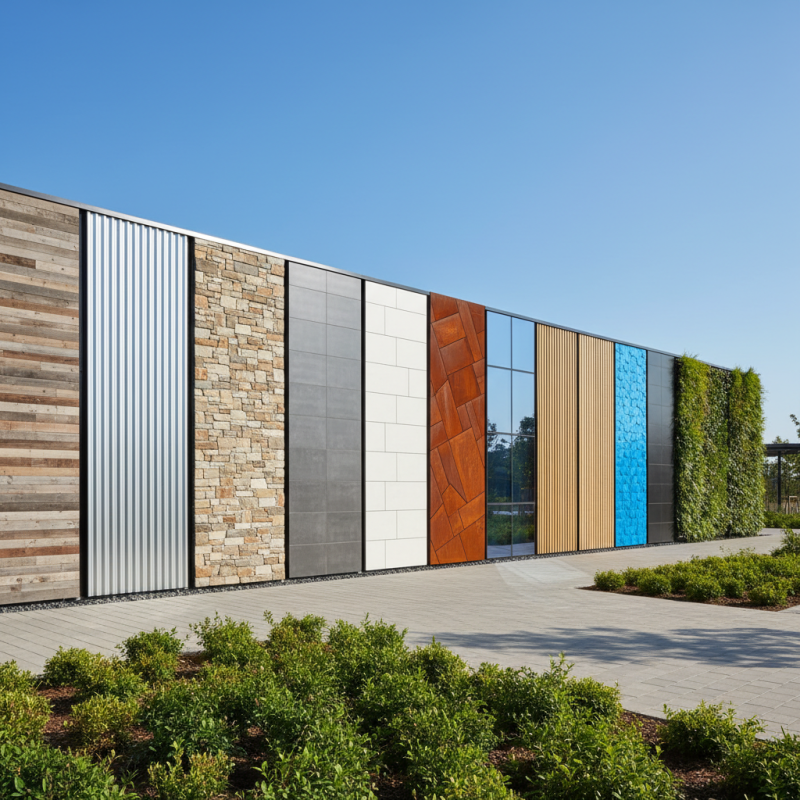
Wall cladding is becoming increasingly popular in construction. The choice of materials influences not only aesthetics but also durability and maintenance. Several options exist that cater to various styles and needs. Wood, stone, and metal are just a few choices. Each material has its own set of pros and cons.
Choosing the right cladding involves understanding your environment. For example, wood can deliver a warm feel but might require frequent maintenance. Stone offers durability and a timeless look, but it can be heavy and costly. Metal is lightweight and modern but can get hot or cold quickly. Reflect on your project's requirements carefully.
Tips for a successful wall cladding project:
- Consider insulation properties, weight, and installation process.
- Some materials might need professional installation, while others can be DIY-friendly.
- Ensure your selected material complements the surrounding structure.
- Also, think about colors and textures that enhance the space.
Balancing aesthetics and functionality is key, so don’t rush the decision. Take your time to analyze, compare, and ultimately make the right choice for your project.
Top 10 Wall Cladding Options: Advantages and Disadvantages
When choosing wall cladding, various materials offer distinct advantages and disadvantages. For instance, wood cladding can create a warm, natural aesthetic. However, it may require regular maintenance, including staining and sealing, to prevent rot. According to the National Association of Home Builders, about 59% of homeowners prioritize aesthetics when selecting cladding materials.
Metal cladding, on the other hand, is known for its durability and modern appeal. It can withstand harsh weather conditions and is often fire-resistant. Yet, the initial costs can be higher, which may deter some budget-conscious projects. A report from Grand View Research indicates that metal cladding will see a substantial growth rate, driven by these very benefits.
Vinyl cladding remains a popular choice due to its affordability and low maintenance requirements. While it is resistant to rot and insects, some critics argue that it lacks the unique character of natural materials. Understanding these trade-offs is crucial. Ultimately, the decision hinges on what fits your specific needs—both functional and aesthetic.
Installation Techniques for Various Wall Cladding Types
When choosing wall cladding, installation techniques significantly impact the project’s outcome. Different materials require tailored approaches for secure and aesthetic results. For instance, timber cladding often calls for a ventilation gap. This allows moisture to escape, reducing the risk of rot. A study by the National Institute of Building Sciences emphasizes that improper installation can reduce durability by up to 30%.
In contrast, metal cladding is usually installed with a fixed or adjustable system. Installation must account for thermal expansion, as metals can change shape with temperature fluctuations. According to the Metal Building Manufacturers Association, nearly 70% of cladding failures arise from inadequate fastening methods. Using the correct screws, correct spacing, and evaluating local wind speeds is key in this respect.
Stone or brick veneer requires precise anchoring to establish stability. Mortar must cure properly to ensure bonding strength. If not monitored, it may lead to cracks and structural issues. As per the Brick Industry Association, nearly 15% of wall failures stem from poor mortar application. This highlights the need for skilled labor and attention to detail during the installation process.
Top 10 Wall Cladding Options
Maintenance and Care Tips for Long-lasting Wall Cladding
Choosing the right wall cladding is only part of the equation. Proper maintenance and care are crucial for ensuring the longevity of your cladding. Different materials have unique needs, so understanding these is key. Wood cladding, for example, should be regularly stained and sealed to prevent rot. Vinyl, on the other hand, requires occasional washing to remove dirt and debris.
It's easy to overlook the small details. Checking for loose panels or signs of wear can save you money in the long run. Remember to inspect the joints and edges, where moisture can accumulate. Metal cladding can develop rust without proper treatment. A good maintenance routine will keep your materials looking fresh and prevent costly replacements.
Natural stone or brick needs minimal maintenance, but cleaning moss or algae will keep it attractive. Regularly addressing minor issues allows you to avoid bigger problems later. Consistent care not only enhances aesthetics but also improves the durability of the cladding. Stay ahead by forming a maintenance schedule that suits your specific materials and climate.
Top 10 Wall Cladding Options for Your Next Project
| Material | Durability | Maintenance | Aesthetic Appeal | Cost (per sq. ft.) |
| Vinyl | 15-30 years | Low, occasional washing | Wide variety of colors | $2 - $7 |
| Wood | 10-20 years | Regular sealing, repainting | Natural and warm look | $5 - $15 |
| Brick | 50+ years | Minimal, occasional repointing | Classic and timeless | $6 - $12 |
| Stone | 75+ years | Low, sealing recommended | Elegant and unique | $10 - $20 |
| Fiber Cement | 30+ years | Low, occasional painting | Versatile with many styles | $4 - $10 |
| Stucco | 50+ years | Medium, repaint every 5-10 years | Classic Mediterranean look | $3 - $8 |
| Metal | 40+ years | Low, occasional cleaning | Modern and sleek | $6 - $15 |
| Composite | 30+ years | Low, easy to maintain | Wide color options | $5 - $12 |
| Glass | 40+ years | Regular cleaning | Transparent and stylish | $15 - $25 |