What Are the Top Epoxy Insulation Types in 2026?

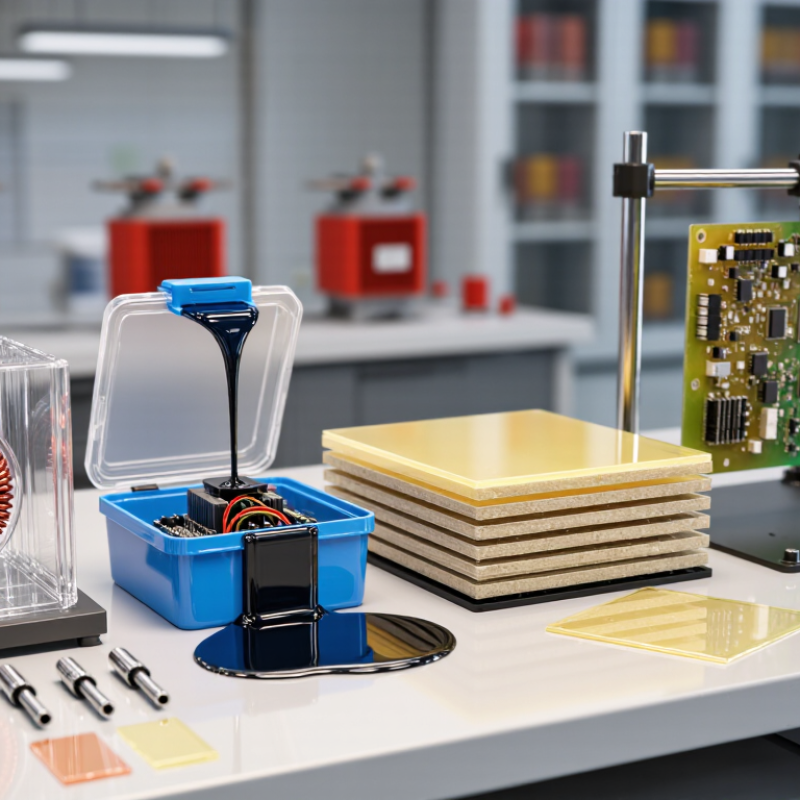
Epoxy Insulation is not one material with one job. In 2026, engineers will choose among casting, potting, laminating, and coating systems for transformers, switchgear, motors, and circuit boards. Each option faces a different mix of heat, moisture, electrical stress, and manufacturing limits. A resin that protects a coil may be unsuitable for a thin, heat-cycling circuit-board coating.

Market data shows why the subject deserves attention, but it needs careful interpretation. Grand View Research valued the global epoxy resin market at approximately US$13.5 billion in 2023 and projected a 6.5% compound annual growth rate from 2024 to 2030. That figure covers epoxy resin applications broadly; it is not a market-size estimate for electrical insulation alone. The distinction matters.

Material selection is more than picking a resin family. Filler loading, cure schedule, void control, component geometry, and service temperature can change performance. A small trapped air pocket, for example, may become a weak point under electrical stress. IEEE Fellow George C. Stone’s published work on electrical insulation supports a useful principle: assess the complete insulation system and its operating conditions, not just the material label. This is a paraphrase, not a direct quotation.

Some choices are less obvious than they look. This guide compares the leading epoxy insulation types for 2026, explains where each fits, and highlights the trade-offs buyers should verify in technical data sheets and application testing.

What Are the Top Epoxy Insulation Types in 2026?

How Epoxy Insulation Works and Where It Is Used

Epoxy insulation works by turning liquid resin into a solid, electrically resistant barrier around conductors and components. In cast-resin transformers, switchgear, and instrument transformers, it separates energized parts from grounded frames and limits moisture and air pockets. Fewer voids can reduce partial discharge, but curing quality matters. Heat still needs a clear path out. A thick coating is not automatically safer.

The applications are growing with the grid. The IEA’s Electricity Grids and Secure Energy Transitions report (2023) estimates that more than 80 million kilometres of grids must be added or refurbished by 2040. Its Electricity 2025 report records global electricity demand growth of 4.3% in 2024. These figures do not measure epoxy use, but they show the scale of electrical infrastructure being upgraded. Epoxy appears in dry-type transformer windings, molded busbar supports, motor coils, and circuit-board encapsulation. The right form depends on voltage, heat, vibration, and exposure to water or chemicals. Small details count. A cracked casting or poorly sealed edge can undermine an otherwise sound insulation system. Teams should check material data and test assemblies under their actual operating conditions; paperwork alone can miss a weak point.

What Are the Top Epoxy Insulation Types in 2026? — How Epoxy Insulation Works and Where It Is Used
Epoxy Insulation Type Typical Form How It Insulates Common Uses Key Benefits Important Considerations
Cast epoxy resin Rigid molded parts or resin cast around electrical components After curing, its cross-linked polymer structure resists electrical current and forms a solid barrier around conductors. Dry-type transformers, instrument transformers, insulators, and medium-voltage switchgear components Can combine insulation and mechanical support; suitable for complex shapes and component encapsulation Heat from curing can cause stress; casting quality and correct resin formulation are important to limit voids and cracking.
Epoxy-glass laminate Sheets, tubes, rods, and machined insulating parts made with glass reinforcement Epoxy binds the glass reinforcement into a rigid composite that provides electrical insulation and structural strength. Electrical panels, switchgear barriers, terminal boards, insulating supports, and printed circuit boards Good stiffness and dimensional stability; can be cut or machined into custom parts Electrical and thermal performance depend on the laminate grade, construction, moisture exposure, and operating conditions.
Epoxy-mica composite Mica tape or sheets bonded or impregnated with epoxy Mica provides a high-resistance dielectric barrier, while cured epoxy bonds the layers and fills spaces in the insulation system. Ground-wall insulation in large motors and generators, including stator windings Designed for demanding electrical insulation systems; can be applied in layered constructions Application, curing, and inspection procedures affect the integrity of the finished insulation; repairs may require specialist processes.
Epoxy potting and encapsulation compound Liquid or paste compound cured around components or inside an enclosure Fills gaps and creates a solid dielectric barrier that can reduce exposure to moisture, dust, and contaminants. Sensors, coils, transformers, power supplies, and electronic assemblies Can provide electrical isolation and environmental protection in one process Potting makes components harder to inspect or repair; cure shrinkage, heat dissipation, and compatibility should be evaluated.
Epoxy powder coating Heat-cured coating applied to a conductive part, such as a busbar A continuous cured film separates the conductor from nearby conductive surfaces and helps prevent accidental contact. Busbars, electrical enclosures, and selected metal components in switchgear and power equipment Provides a durable, adherent coating when the surface is properly prepared and the coating is correctly applied Edges, holes, joints, and damaged areas may have reduced coverage; coating is not a substitute for required clearances or system design.
Epoxy-impregnated electrical winding insulation Resin applied to or infused through winding insulation, then cured The cured resin bonds insulation layers and conductors together and can fill spaces within the winding structure. Motors, generators, and other electrical windings, depending on the insulation system Can improve mechanical cohesion and help limit movement of winding components Performance depends on the full insulation system, including conductor coatings, tapes, resin, curing process, and thermal rating.
How epoxy insulation works: Uncured epoxy resin reacts with a hardener to form a cross-linked thermoset. The cured material acts as an electrical barrier; fillers or reinforcements may add mechanical strength or adjust thermal and processing properties. Actual dielectric, temperature, and environmental performance vary by formulation, part design, thickness, and test conditions. Select materials using the relevant equipment specifications and applicable standards.

What Are the Main Types of Epoxy Insulation?

Epoxy insulation is best grouped by form and application, not by one universal performance ranking.

Cast epoxy surrounds conductors and components in transformers, switchgear, and sensors. It creates a rigid barrier against moisture and dust. But thick castings can trap heat, so design and curing quality matter.

Epoxy-glass laminates combine resin with woven glass cloth. They are used for circuit boards, supports, and insulating barriers where stiffness and dimensional stability are important. Epoxy powder coatings form a thin protective layer on metal parts, while potting compounds fill small cavities around coils or electronic components.

The right choice depends on voltage, temperature, vibration, and repair needs. One detail is easy to miss: these categories can overlap.

The International Energy Agency’s 2023 report, Electricity Grids and Secure Energy Transitions, says more than 80 million kilometres of grids need to be added or refurbished by 2040. That points to growing demand for dependable insulation, but not to one winning epoxy type.

IEC 60243-1 sets methods for testing the electric strength of solid insulating materials; test results alone do not predict service life. A practical selection also considers heat paths, moisture exposure, and manufacturing consistency.

Field conditions can be untidy. That is worth remembering.

How Do Epoxy Insulation Types Compare in Performance?

Epoxy insulation types perform differently because each is designed for a particular shape and operating environment. Cast epoxy surrounds coils, busbars, or sensors with a rigid insulating body. It can resist moisture and vibration when correctly formulated and cured. But a thick casting may trap heat, and voids can weaken electrical performance. Small bubbles matter.

Epoxy laminates offer a different balance. Sheets and tubes provide dependable dielectric strength, mechanical support, and easier machining for panels or spacers. Their edges still need attention; cuts can expose fibers or create paths for moisture. Epoxy powder coatings form a thin, hard layer on metal parts. They suit abrasion protection, though sharp corners and uneven coverage can leave weak spots. Liquid epoxy varnishes penetrate windings and add insulation without the bulk of casting, but coating quality depends on application and curing control.

For high-voltage equipment, compare dielectric strength, thermal class, moisture resistance, and tracking resistance using the same test conditions. A datasheet value alone does not predict service life. The actual design matters: heat cycling, vibration, contamination, and part geometry all change results. I would not assume the thickest insulation is safest. It may reduce heat escape or develop internal stress. Sample testing under realistic conditions is more useful than choosing by material name alone.

Which Applications Suit Each Epoxy Insulation Type?

Epoxy insulation is not one material with one job. Cast epoxy resin suits transformers, bushings, and switchgear parts that need rigid insulation around shaped conductors. It can fill complex spaces. But repeated thermal cycling may stress the casting, so temperature swings and mechanical loads deserve close review. A tidy datasheet match is not always enough.

Epoxy powder coatings work well on busbars and metal electrical components. They form a thin, durable insulating layer that resists abrasion and surface contamination. They are less suitable when an assembly needs large gaps filled or internal voids sealed. Coating thickness and coverage around sharp edges matter; small bare spots can become weak points.

Laminated epoxy sheets are common in motor slots, generator supports, switchgear barriers, and electrical spacers. They can be cut or machined into practical shapes. Check the grade’s heat and moisture performance before specifying it. Potting compounds, by contrast, suit coils, sensors, and electronic assemblies exposed to vibration or damp conditions. They protect delicate parts. They can also make repairs difficult and may trap heat. The right choice depends on operating voltage, temperature, geometry, and maintenance needs—not just the material label.

What Factors Shape Epoxy Insulation Choices in 2026?

What Are the Top Epoxy Insulation Types in 2026?
What Factors Shape Epoxy Insulation Choices in 2026?

Epoxy insulation choices start with operating conditions, not product labels. Voltage, temperature rise, humidity, vibration, and available space all matter. Cast-resin epoxy is common in dry-type transformers, while epoxy-glass laminates suit rigid supports and barriers. Thin epoxy coatings can protect metal parts from moisture and surface tracking. Each option has limits.

Grid expansion adds another pressure. IRENA’s Renewable Capacity Statistics 2025 reports that renewables added 585 gigawatts in 2024, representing 92.5% of global power-capacity additions. The IEA’s Electricity Grids and Secure Energy Transitions report says annual grid investment must rise beyond $600 billion by 2030, roughly twice current levels. More equipment does not mean one insulation type fits all. Compact transformer rooms may favor cast resin; exposed equipment needs careful moisture and pollution testing.

Manufacturers and engineers should also weigh fire behavior, thermal aging, partial discharge, repair access, and production consistency. IEC 60076-11 provides requirements for dry-type transformers, but the installation still determines practical performance. A resin sample can pass a laboratory test and behave differently after years of heat cycling. That assumption can fail. Ask for test conditions, not just a headline rating, and match them to the real duty cycle.

What Are the Top Epoxy Insulation Types in 2026? What Shapes the Choice?

Potting and encapsulation compounds are commonly used to insulate and protect components; cast epoxy resins form rigid parts, laminates provide structural insulation, and powder coatings cover surfaces. Ratings show typical application fit on a qualitative 1–5 scale—not measured test results or a market ranking. Choices depend on dielectric requirements, operating temperature and heat flow, moisture or chemical exposure, mechanical stress, part geometry, and manufacturing process.

Cart Summary

Subtotal: $0