What Are the Top Dash Camera Module Types in 2026?

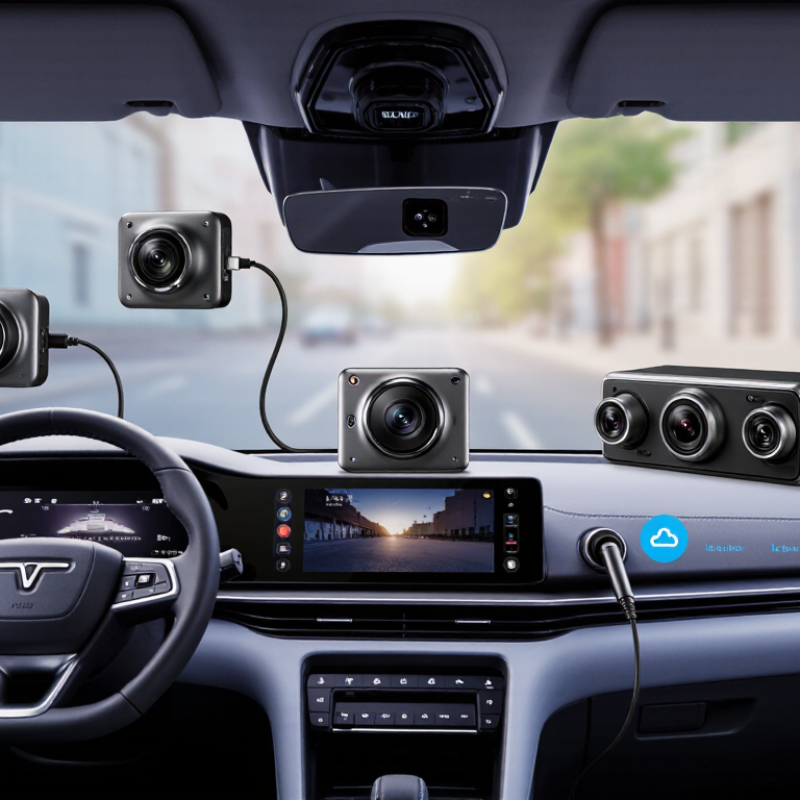
In 2026, choosing a Dash Camera Module means choosing what the vehicle can reliably see. A compact front-only module may suit basic incident recording. A dual-channel setup adds a rear view, while multi-camera systems can cover more angles. Some modules also combine video with GPS, driver-assistance features, or cloud connectivity. The right option depends on the vehicle, installation space, image quality, and intended use—not simply the number of cameras.

Market demand is growing, but forecasts vary by scope and methodology. Grand View Research estimated the global dashboard camera market at USD 4.03 billion in 2023 and projected a 6.5% compound annual growth rate from 2024 through 2030. That estimate offers useful context, not a guarantee of 2026 sales. It also covers dashboard cameras broadly, rather than every embedded camera module or vehicle program. Small distinctions matter.

For a grounded comparison, this guide separates front-only, front-and-rear, cabin-facing, multi-channel, and connected camera modules. It considers resolution, low-light performance, heat tolerance, storage, and integration needs. A sharp image at noon is not enough; a dim garage or rain-streaked windscreen can expose weaknesses quickly. The supplied material contains no verifiable named industry expert quotation, so I have not invented one. That omission is deliberate. A credible 2026 overview should distinguish measured market evidence from product claims and clearly identify what each module can—and cannot—record.

What Are the Top Dash Camera Module Types in 2026?

What a Dash Camera Module Is and How It Works

A dash camera module is the compact imaging system inside a vehicle camera. It usually combines a lens, image sensor, processor, and connections for power and storage. The lens gathers light through the windshield, while the sensor turns it into image data. The processor then compresses and saves the footage, often in short, looping clips.

The process happens continuously while the camera is powered. When a bump or sudden change in motion is detected, a sensor may flag the related clip so it is less likely to be overwritten. Some modules also add a rear camera, GPS data, or parking monitoring. These features depend on the design and setup. A front-facing module is simpler; a multi-camera system needs more wiring and storage.

Small parts matter. A poorly aimed lens may capture more dashboard than road, and glare or a dirty windshield can soften details. Heat can also affect performance over time. The camera records what its sensor can see, not every detail a driver might notice. That gap is easy to overlook. Checking sample footage in daylight and at night gives a more realistic sense of image quality than relying on resolution alone.

The Main Types of Dash Camera Modules in 2026

What Are the Top Dash Camera Module Types in 2026?
The Main Types of Dash Camera Modules in 2026

Dash camera modules vary by where they record and how they connect. A forward-facing module captures the road through the windshield. It is compact and suits drivers who mainly want clear footage ahead. But it cannot show what happens behind the vehicle.

A dual-channel setup pairs a front camera with a rear-facing module, often mounted near the back window. Some systems add a cabin-facing camera for interior recording. Multi-channel configurations can cover all three views, though they need more wiring, storage, and careful placement. Modular designs separate the camera from the main recording unit, which can help with tight dashboards. Still, extra parts may complicate installation. Simple, but not always easy.

Tips: Check the camera’s viewing angle, low-light performance, and supported resolution before choosing. Test the rear view through tinted glass; details may look softer than expected. Keep lenses clear, and confirm that cables do not obstruct your view.

How Dash Camera Module Types Differ in Features and Performance

Dash camera modules differ most in coverage and image quality, not simply in pixel count. A single-channel module records the road ahead; a dual-channel setup adds a rear view, while cabin-facing modules capture the interior. Multi-camera systems widen coverage but need more storage and careful placement. Small details matter. A wide lens can include a nearby lane, yet make distant plates harder to read.

Performance depends on the sensor, lens, exposure control, and heat management. High dynamic range can help balance a bright windshield and a shaded road. A larger stated resolution alone cannot guarantee clear night footage. A useful caution: published specifications may overstate practical detail. Grand View Research estimated the global dash camera market at about $4.03 billion in 2023, with a projected 12.8% annual growth rate from 2024 to 2030. That growth signals demand, but it does not prove every module performs equally well.

For a vehicle used mostly on highways, forward coverage and readable detail at distance may matter most. City drivers may value front-and-rear recording, where close traffic and frequent stops create different viewing needs. NHTSA recorded 40,901 U.S. traffic deaths in 2023; recorded footage can preserve context, but it cannot prevent a collision. Not always. Compare sample footage in daylight, at night, and against headlights, rather than relying on resolution figures alone.

What Are the Top Dash Camera Module Types in 2026? — How Dash Camera Module Types Differ in Features and Performance
Module Type Typical Configuration Coverage and Recording Main Advantages Trade-Offs and Best Fit
Front-Facing Single-Channel One forward-facing camera, commonly mounted behind the windshield. Available in a range of resolutions, including Full HD and 4K. Records the road ahead. It does not capture the cabin or rear of the vehicle unless additional cameras are connected. Usually the simplest system to install and operate; fewer cables and lower storage demands than multi-camera systems. Provides limited vehicle coverage. A practical choice for drivers who mainly want evidence of events in front of the car.
Front-and-Rear Dual-Channel Forward camera paired with a separate rear-window camera. The rear camera is often lower resolution than the front camera. Records the road ahead and behind the vehicle, typically to one system or memory card. Can document rear impacts and traffic approaching from behind; broader coverage than a front-only setup. Requires routing a cable to the rear camera. Rear-window tint, placement, and vehicle layout can affect the image.
Three-Channel (Front, Cabin, and Rear) Combines a forward-facing camera, an inward-facing cabin camera, and a rear-facing camera. Captures the road, vehicle interior, and rear view. Some cabin cameras use infrared illumination for low-light interior recording. Useful for rideshare, taxi, fleet, and family vehicles where interior events matter as well as road incidents. More cameras increase installation complexity and storage use. Infrared cabin footage records people inside the vehicle, so privacy rules and consent requirements may apply.
Remote or Hidden Camera Module A small camera head is connected by cable to a separate recording or control unit, which may be mounted out of sight. Coverage depends on the number and placement of connected camera heads; the main recorder may be located away from the windshield. Allows discreet placement and can suit vehicles where a conventional all-in-one unit obstructs the driver’s view or is difficult to mount. Installation and troubleshooting can be more involved because the camera and recorder are separate components. Check cable length and compatibility before installation.
Mirror-Mounted System A camera system built into or attached over the rear-view mirror, often with a display and optional rear camera. May record the front view and, in two-camera versions, the rear view. The mirror display can show a live camera image. Uses the mirror area for mounting and can provide a wider digital rear view when the rear camera is connected. Fit depends on mirror design and vehicle layout. Screen visibility, glare, and the normal reflective-mirror function vary by model.
Factory-Integrated or Vehicle-Specific Module Designed to fit a particular vehicle’s mounting area or connect with vehicle-specific power and trim components. Usually records a forward view; available functions and camera count depend on the vehicle-specific system. Can offer a neater installation with fewer visible wires and a fit suited to the vehicle’s interior. Compatibility is vehicle-dependent, and upgrades or replacement parts may be less flexible than for universal systems. Confirm fitment and power requirements for the exact vehicle.

Note: These categories describe common camera layouts and mounting designs, not fixed performance standards. Resolution, frame rate, night performance, parking-mode features, and storage requirements vary by model and installation.

Where Each Dash Camera Module Type Is Best Used

Front-only dash camera modules suit everyday commuting. They capture the road ahead without adding much installation complexity. A dual-channel module adds a rear view, useful when documenting close following or impacts from behind. For delivery vehicles and larger cars, rear-camera placement matters: a high, unobstructed view usually shows more than one blocked by cargo.

Cabin-facing modules fit ride-hail, training, and fleet use, especially when incidents inside the vehicle matter. Infrared illumination can help at night, but reflections from glass may still obscure faces. Multi-channel or 360-degree systems suit vehicles with several coverage zones to monitor. Yet more cameras do not guarantee better evidence; poor angles and uncalibrated views leave gaps.

NHTSA’s 2023 Traffic Safety Facts recorded 40,901 U.S. traffic deaths. That figure describes road risk, not camera effectiveness.

Tips: Match the module to the blind spot you actually need to document. Check footage at dusk, in rain, and with the vehicle parked. Confirm that timestamps, storage, and access controls work. Small setup details matter.

How to Choose a Dash Camera Module for Your Needs

What Are the Top Dash Camera Module Types in 2026? How to Choose a Dash Camera Module for Your Needs

Choose the camera layout around what you need to record. A front-only module suits commuters who mainly want a clear view of the road ahead. A dual-channel setup adds a rear camera, useful when backing incidents or rear impacts matter. Cabin-facing and multi-channel modules capture passengers or several exterior angles, but they need more storage and careful placement. More lenses do not automatically mean better evidence.

Check image quality in the conditions you actually drive through. Read sample footage for night glare, plate legibility, and motion blur, not just the advertised resolution. NHTSA’s 2022 Fatality Analysis Reporting System recorded 42,514 U.S. traffic deaths; a camera cannot prevent a crash, but clear footage may help document what happened. Think about heat tolerance, power requirements, and whether parking recording fits your routine. A tidy cable run matters on a hot windshield. I still find it easy to overbuy. A compact front-and-rear kit may suit daily driving better than a complex system you rarely review. Review storage limits and test the camera after installation. One overlooked detail: does it keep recording reliably?

Cart Summary

Subtotal: $0