7 Processing Heater Buying Tips Every Buyer Should Know
A Processing Heater is not a simple purchase based on temperature alone. The right unit must match the process, operating conditions, and available utilities. A mismatch can cause uneven heating, excess energy use, or avoidable maintenance. Small details matter.
Before comparing suppliers, buyers should gather practical information: the fluid or material being heated, required heat duty, flow rate, operating pressure, and expected temperature range. These figures help narrow the options, but they should be checked against current process data. Estimates can be wrong. That point deserves attention, especially when production conditions vary between startup and normal operation.
This guide outlines seven buying tips to help teams ask better questions and compare offers with care. It covers heater type, construction materials, controls, energy performance, safety features, service access, and supplier support. No single specification tells the whole story. A low purchase price, for example, may not reflect installation needs or long-term upkeep. Buyers should request clear documentation and confirm that proposed equipment suits their specific application. Where requirements are uncertain, a qualified process or engineering professional can review the assumptions before an order is placed. Careful checks now can prevent costly surprises later.
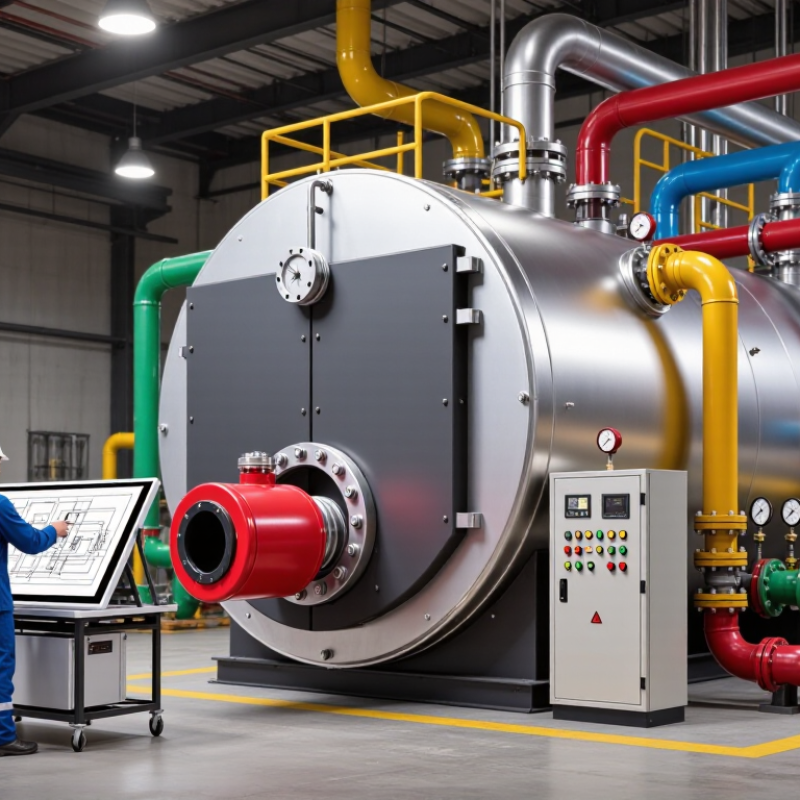
Define Heat Duty, Process Conditions, and Required Operating Range Before Sizing
7 Processing Heater Buying Tips Every Buyer Should Know
Define Heat Duty, Process Conditions, and Required Operating Range Before Sizing
Before comparing heater designs, define the heat duty: how much energy the process needs and how quickly it must be delivered. Record the inlet and target outlet temperatures, flow rate, fluid composition, and expected operating schedule. A liquid that changes viscosity as it warms may behave differently from the initial estimate. Small details matter. Separate normal operation from startup, turndown, and any short-duration peak demand.
Tip: Share a realistic operating range, not just one target temperature. Include minimum and maximum flow, pressure, and inlet temperature. These values help engineers assess heat transfer, controls, and available capacity. If the data is uncertain, label it as an estimate.
Also document the process conditions at the heater inlet and outlet, including allowable pressure drop and fluid limits. Ask how the proposed sizing handles changing feed conditions and heat losses in connecting pipework. A unit sized only for ideal steady-state conditions may struggle during startup or low flow. An early estimate is rarely final; revisit assumptions rather than hiding uncertainty. Leave room to verify calculations against reliable process data before selecting equipment.
Estimate Heat Duty Before Sizing a Process Heater
Illustrative water-heating duty at a constant 80°C temperature rise
The estimates use Q = ṁ × Cp × ΔT, with water heat capacity of 4.18 kJ/kg·°C. They exclude heat losses, efficiency, and phase changes. Confirm the actual fluid properties, inlet and outlet temperatures, pressure, operating range, and design margin before selecting a heater.
Check Fired-Heater Design Against API 560 and Tube Design Against API 530
A processing heater purchase deserves two separate checks: the fired-heater design and the tubes. API 560 provides a framework for fired-heater design and construction, including equipment arrangement and operating considerations. API 530 focuses on calculating minimum required heater-tube wall thickness. They are related, but one check cannot replace the other.
Small details matter. Tips: Ask for the applicable editions and design basis. Compare API 530 calculations with operating pressure, design temperature, tube material, corrosion allowance, and expected tube-metal temperature. Check that the API 560 review matches the specified duty, fuel, draft, and burner arrangement. Request assumptions, not just a compliance statement.
Look closely at the hottest tube rows and the expected operating range; average conditions can hide local limits. Confirm that the selected tube thickness is practical to manufacture and inspect, and that allowances are stated clearly. A calculation can look tidy and still rely on a weak assumption. I would not treat either standard as a substitute for project-specific review: confirm how the design handles startup, turndown, and fouling. If a value is uncertain, ask for its source and how a change would affect the design.
Compare Efficiency on an HHV Basis and Review Stack-Heat Losses
When comparing processing heaters, use efficiency stated on a higher heating value (HHV) basis. HHV includes the heat recoverable when fuel-generated water vapor condenses; lower heating value figures do not. Mixing the two can make one proposal appear better without any real equipment advantage. Compare fuel input and useful heat output at the same load, fuel composition, and reference conditions. Small differences matter.
Tips: Ask for the test method and operating data behind each efficiency figure. Review stack temperature alongside flue-gas oxygen and fuel moisture. A hot stack often signals recoverable heat leaving the system, but temperature alone cannot quantify the loss. Check measurements at steady operation, not just during startup.
Stack-heat losses depend on both exhaust temperature and the amount of flue gas leaving the heater. Excess air can increase that flow, carrying more energy up the stack. Look for recorded oxygen levels and confirm instruments were calibrated. Also ask whether the quoted results represent expected site conditions. A neat spreadsheet can still mislead if its assumptions do not match actual firing rates or fuel quality. Recovery options may help, but they need practical checks for fouling, maintenance access, and changing process demand. That part is easy to underestimate.
Estimate Fuel-Related Emissions Using EPA’s 53.06 kg CO₂/MMBtu Factor for Natural Gas
A reliable emissions estimate starts with measured fuel use, not heater output. The U.S. EPA’s Greenhouse Gas Reporting Rule, Subpart C, Table C-1, lists natural gas at 53.06 kg CO₂ per MMBtu on a higher-heating-value basis. Multiply annual gas input by this factor, then divide kilograms by 1,000 to report metric tons.
For example, a heater using 1,000 MMBtu emits an estimated 53.06 metric tons of combustion CO₂. A quick check.
Use gas bills or a dedicated meter, and confirm the energy units and billing period. The U.S. Energy Information Administration’s Monthly Energy Review provides fuel-use and heat-content context, but national averages cannot replace site records. If you only know delivered process heat, account for heater efficiency before applying the factor; output energy is not the same as fuel input.
The estimate covers direct combustion CO₂, not upstream gas production or other greenhouse gases. Still, one wrinkle: meter readings, fuel quality, and operating conditions can vary. Record assumptions beside the result, especially when comparing heater bids.
A neat number can hide a rough estimate.
Specify Burner Emissions, Materials, Controls, and Lifecycle-Cost Guarantees
Before comparing quotes, define burner-emission limits across expected fuels, firing rates, and startup conditions. Ask for guaranteed values at specified loads, with the measurement method and test conditions stated. Numbers need context. A low figure at one steady operating point may not reflect daily cycling or changing fuel quality. Request acceptance-test procedures and clear remedies if results fall short.
Specify materials against actual process temperatures, pressure, corrosion risks, and expected service life. A corrosion-resistant alloy may be unnecessary in one area, while a small unsuitable gasket can cause repeated maintenance elsewhere. Review weld details, inspection access, and replacement-part availability. Controls matter, too. Confirm how the system handles trips, alarms, burner sequencing, and communication with existing plant controls. Operators should be able to understand an alarm during a busy shift, not just read it in a manual.
Compare lifecycle costs, not purchase price alone. Include estimated fuel use, maintenance hours, planned outages, and critical spares, using shared assumptions for every bid. Ask what any performance guarantee covers, how long it lasts, and which operating conditions void it. Put test data, exclusions, and correction steps in writing. A spreadsheet can look precise. Its assumptions still deserve a hard review.