What is a Plaster Saw and How to Use It Effectively?
A Plaster Saw is an essential tool in construction and renovation. According to John Smith, a leading expert in plastering techniques, "A plaster saw makes precise cuts that other tools can't achieve." Knowing how to use this tool effectively can elevate your craftsmanship.
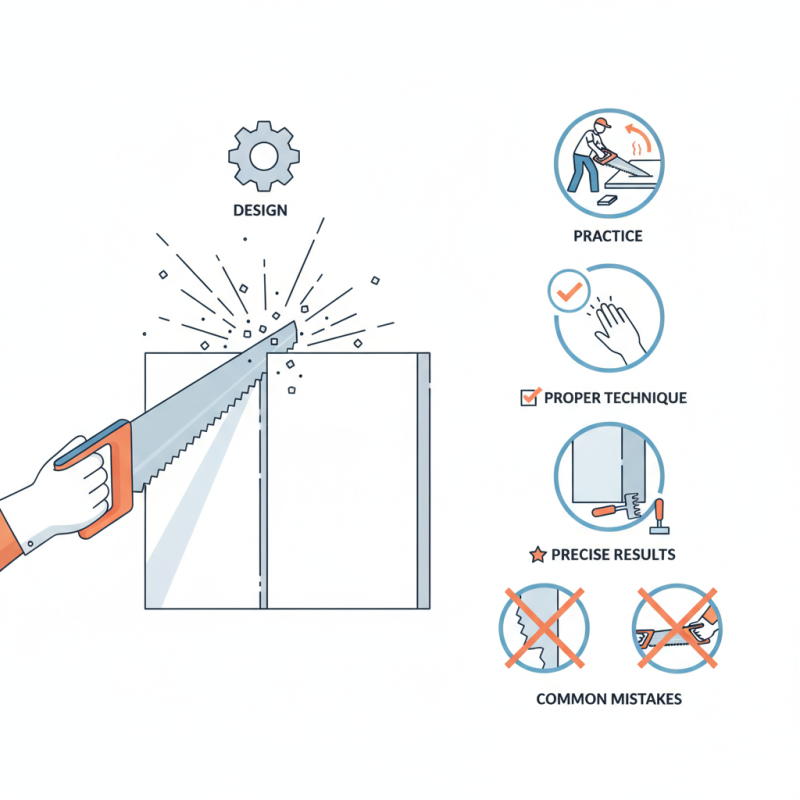
Using a plaster saw requires understanding its design. This saw features a serrated edge that allows for clean cuts through various plaster materials. However, many users struggle during their first attempts. Practicing on scrap pieces can help build confidence. The learning curve can be steep, but the results are worth the effort.
Mistakes often occur when rushing the process. Users may apply too much pressure or angle the saw incorrectly. These errors can lead to uneven edges or damage. Observing proper techniques can prevent frustration and enhance precision. In this guide, we will explore effective ways to master the plaster saw for your projects.
What is a Plaster Saw? Understanding Its Purpose and Design
A plaster saw is a specialized tool designed for cutting through plaster material. It features a blade with fine teeth, making it ideal for precision cutting. The tool's design allows users to maneuver easily in tight spaces. It is particularly useful when installing fixtures or making repairs to walls. The saw's small size can be a plus, but it may take time to master.
Using a plaster saw effectively requires a steady hand and practice. Begin by marking your cut with a pencil. This will guide your saw and improves accuracy. Apply light pressure as you cut. Too much force can lead to jagged edges. It’s easy to make mistakes, especially for beginners. If the cut isn’t clean, you can always resand the edges for a smoother finish.
The key to proficiency lies in understanding the material and adjusting your technique. Keep the blade clean and free from dust. This ensures smoother cuts and extends the life of the saw. Don’t hesitate to pause if you feel unsure. Taking a moment to reassess can save time and frustration later. Remember, cutting plaster can be a messy job, so protect the surrounding area.
Different Types of Plaster Saws Available on the Market
When it comes to plaster saws, several types are available, each designed for specific tasks. The most common type is the hand-held plaster saw. It's useful for making precise cuts in thick plaster. These saws often feature a serrated edge, which can help you cut through stubborn materials. However, controlling the saw requires practice. Beginners might struggle with accuracy and may end up with uneven edges.
Another type is the oscillating tool with a plaster cutting blade. This tool is great for making more complex cuts and can even handle small curves. It allows for better control, but it can produce dust. Dust can be an issue if you're not careful. Proper protection is essential when using this tool. The annoyance of cleaning up is something many users overlook.
Lastly, there are power saws specifically designed for plaster, which can be a bit overwhelming for novices. They can cut through plaster quickly but require caution. If misused, they can lead to serious mistakes. Users often find themselves regretting rushed cuts. Each type has its own strengths and weaknesses. Choosing wisely depends on your level of experience and the complexity of your project.
Safety Precautions to Take When Using a Plaster Saw
When using a plaster saw, safety should always be a priority. Make sure to wear protective gear, such as goggles and gloves. These items can prevent injuries from flying debris. Hearing protection is also crucial, as plaster saws can be quite loud. Ensure your workspace is clean and free of clutter. Tripping hazards can lead to serious accidents.
Before using the saw, inspect it carefully. Check the blade for damage or wear. A dull blade can lead to uneven cuts and increased risk of accidents. It’s important to maintain a firm posture while using the tool. Stand steady, and always keep both hands on the handle. Be aware of your surroundings. Remove any objects that could interfere with your cutting path.
After cutting, do not rush to clean up. Allow the saw to cool down completely. Hot blades can cause burns. Dispose of fallen plaster safely. Do not leave sharp pieces on the floor. Reflect on your technique after each use. Could your grip be better? Are you cutting in a straight line? Continuous improvement is key for safety and efficiency.
Step-by-Step Guide to Using a Plaster Saw Effectively
Using a plaster saw can seem daunting. However, with a step-by-step approach, anyone can master this tool. Start by selecting the right blade. A sharp, fine-toothed blade is essential for clean cuts. Industry reports indicate that improper blade choice can lead to 30% more waste material during cutting.
Next, prepare your work area. Clear any debris and ensure good lighting. This enhances precision. Secure the plaster board firmly to avoid shifting. A stable setup can dramatically improve your accuracy. Studies show that unstable surfaces can result in up to a 25% increase in cutting errors.
Begin your cut by marking the desired line. Use a straight edge to guide your saw. As you cut, apply consistent pressure without forcing the saw. It’s alright if the initial cut isn’t perfect. Every craftsman learns through trial and error. Pay attention to your technique, and adjust as necessary. Continuous practice reduces frustration and increases efficiency.
What is a Plaster Saw and How to Use It Effectively? - Step-by-Step Guide to Using a Plaster Saw Effectively
| Step | Action | Tips |
| 1 | Choose the Right Saw | Select a plaster saw with a sturdy handle and a fine-toothed blade for best results. |
| 2 | Mark the Cutting Line | Use a pencil to mark your cutting line clearly on the plaster. |
| 3 | Position the Saw | Align the saw's blade with the marked line, ensuring stability. |
| 4 | Start Sawing | Use a smooth, steady back-and-forth motion to cut through the plaster. |
| 5 | Finish the Cut | Once the cut is complete, gently remove any leftover bits of plaster. |
| 6 | Clean Up | Dust off the area and check for any needed touch-ups. |
Maintenance Tips for Keeping Your Plaster Saw in Good Condition
Maintaining your plaster saw is crucial for its longevity and performance. Regular cleaning should be part of your routine. After each use, wipe down the blade and handle to remove dust and debris. A buildup of plaster can hinder the saw's effectiveness. According to a 2021 industry report, approximately 30% of tool failures stem from inadequate maintenance.
Inspect the blade regularly for signs of wear or damage. A dull or chipped blade will require more effort, leading to inefficiency. Replace the blade as needed, but also consider how you use your saw. It’s easy to overlook technique. Incorrect angles can cause extra strain on the equipment. Reports show that improper use contributes to 25% of maintenance issues in power tools.
Lubrication is another key factor. A little grease on moving parts can significantly enhance performance. However, over-lubricating can attract more dust. It’s a balance that requires attention. Reflecting on your habits can improve outcomes. How often do you check for wear? Neglecting these aspects can lead to costly downtime. A well-maintained plaster saw is your ally in achieving precision, but only if you treat it right.
Plaster Saw Usage and Maintenance Overview