How to Choose the Right Wheels for Your Car?

Choosing the right wheels for your car is not only a style decision. It affects handling, braking clearance, ride comfort, and long-term safety. A polished set may look perfect under showroom lights, yet still cause problems if its size or fitment is wrong.

Carroll Shelby, the legendary automotive designer and racing driver, once said, “There is no such thing as too much horsepower, just not enough traction.” His words remain useful here. Even powerful cars depend on the contact between the wheels, tires, and road. That contact begins with the correct wheel specification.

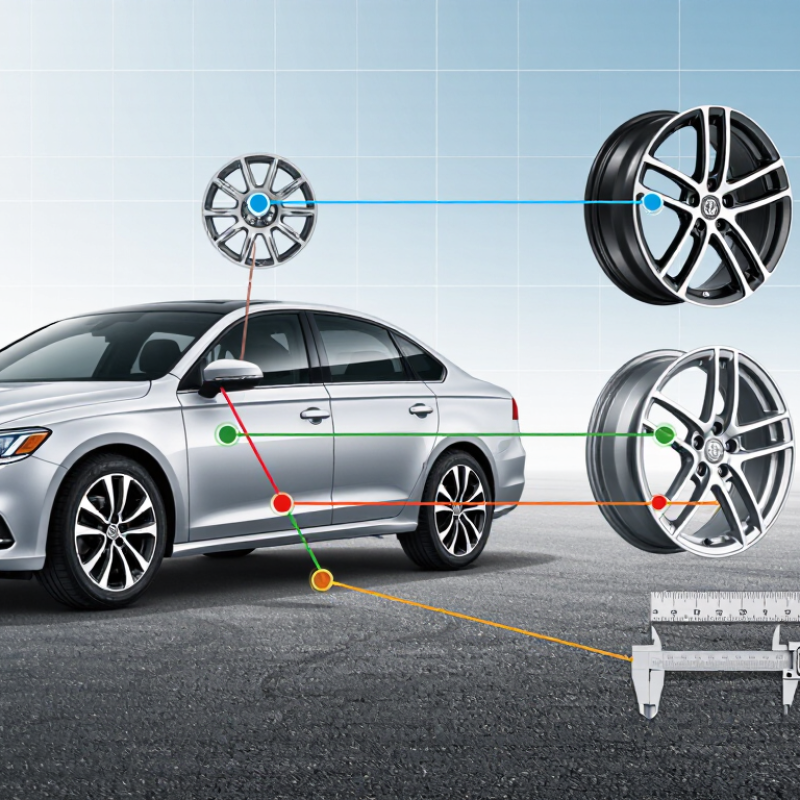
Start with your vehicle’s bolt pattern, center bore, diameter, width, and offset. These details must match the manufacturer’s requirements. A wheel that sits three millimeters too far outward can rub against a fender during a sharp turn. A wheel that sits too far inward may touch suspension parts. Small numbers matter.

Think about your driving experience. Daily commuters often benefit from lighter wheels, moderate diameters, and enough sidewall for potholes. Performance drivers may prefer wider wheels, but wider is not automatically better. Extra weight can reduce acceleration and make steering feel heavier.

Do not judge wheels by appearance alone. Check load ratings, certification marks, and installation guidance. Use a torque wrench, not a guess. I have seen attractive upgrades fail because owners ignored tire compatibility. That mistake is easy to make.

Your car, roads, climate, and budget should guide the final choice. Sometimes the best-looking option is not the most sensible one. That is worth admitting before purchase. Reliable wheels should fit correctly, perform predictably, and support confident driving in real conditions.

How to Choose the Right Wheels for Your Car?

Define Your Car’s Wheel Size and Fitment Requirements

How to Choose the Right Wheels for Your Car?

Before comparing finishes or spoke designs, define your car’s exact wheel size and fitment requirements. Check the driver-door placard, owner’s manual, and original wheel markings. The National Highway Traffic Safety Administration states that the placard provides the recommended tire size and cold inflation pressure. Treat those details as your baseline, not a casual suggestion.

Measure five critical items: diameter, width, bolt pattern, center bore, and offset.

A one-inch diameter increase can reduce tire sidewall height by about 12.7 millimeters when overall diameter stays similar. That may sharpen steering response, but it can also make pothole impacts harsher.

Confirm brake-caliper clearance and wheel-load capacity against the vehicle’s requirements. The Tire and Rim Association Year Book provides dimensional and load-reference tables, while SAE J2530 outlines performance requirements for aftermarket wheels. These are useful technical checks.

Do not trust appearance alone. I once treated wheel diameter as the whole answer. That shortcut was wrong.

NHTSA estimates roughly 11,000 tire-related crashes occur annually in the United States, making fitment and tire pressure practical safety concerns. A wheel can bolt on and still fail because its offset causes rubbing, its center bore lacks proper support, or its load rating is too low. Use a verified fitment chart, then test clearance with the steering fully turned and the suspension compressed. Leave room for doubt.

Compare Wheel Materials, Designs, and Construction Types

Choosing the right wheels involves more than matching a car’s paint. Material, design, and construction affect weight, strength, comfort, and maintenance. Steel wheels are durable and affordable, but they usually weigh more. Cast aluminum wheels reduce weight and offer many shapes. Forged aluminum wheels are typically stronger for their weight, though they cost more. Carbon-fiber wheels can be extremely light, but their price and repair considerations require careful research.

Design changes driving behavior. More spokes can support larger brake systems, but narrow gaps collect dust and make cleaning difficult. Simple spoke patterns are easier to inspect after hitting a pothole. A larger diameter may sharpen steering response, yet it often leaves less tire sidewall. That can make rough roads feel harsher. I once preferred a dramatic, oversized design, then noticed every road joint through the steering wheel. Appearance had won too easily.

Construction type also matters. One-piece wheels are generally simpler and easier to maintain. Two-piece and three-piece wheels allow more adjustment in width or offset, but they add hardware and inspection points. Check the wheel’s load rating, bolt pattern, center bore, offset, and clearance before buying. A wheel can fit the hub yet touch the suspension or brake caliper. Do not trust measurements alone. Have a qualified technician test-fit the wheel, inspect the mounting surfaces, and follow the vehicle manufacturer’s torque specifications. Keep the original wheels if possible; they provide a useful reference when comfort, handling, or winter conditions change.

Choose the Correct Wheel Diameter, Width, and Offset

How to Choose the Right Wheels for Your Car?

Wheel diameter, width, and offset must work together. Diameter is measured at the tire’s bead seat, not across the outer lip. A larger wheel can sharpen steering response, but it usually leaves less sidewall protection. The Tire and Rim Association Year Book lists approved tire-and-rim combinations, so confirm the tire size before ordering. Keep the replacement tire’s overall diameter close to the original, usually within about 3%, to reduce speedometer and clearance errors.

Wheel width affects the tire’s shape and handling. A tire mounted too narrowly may feel unstable, while excessive width can touch the suspension or fender. Check the tire maker’s approved rim-width range. For example, a 225 mm tire may accept several widths, but the exact range depends on its construction. Measure carefully. Guessing from appearance is a poor method.

Offset controls how far the wheel sits inward or outward. A lower offset pushes the wheel outward; a higher offset moves it toward the suspension. Compare the original offset before changing it. Even a 10 mm difference can affect steering feel, bearing load, and fender clearance. SAE J2530 evaluates wheel performance through impact, cornering-fatigue, and radial-fatigue tests. Also verify the wheel’s load rating against the vehicle’s axle load. An 1,800 kg axle needs at least 900 kg per wheel, before allowing a sensible safety margin. I have seen attractive fitments fail on basic clearance checks. Measure again.

How to Choose the Right Wheels for Your Car? - Choose the Correct Wheel Diameter, Width, and Offset

Wheel Specification What It Means Common Passenger-Car Range Main Effect Important Checks
Wheel Diameter The diameter of the wheel where the tire bead sits, measured in inches. 15–20 inches for many passenger cars A larger diameter can improve steering response and appearance but usually reduces sidewall height and ride comfort. Confirm tire availability, overall tire diameter, brake clearance, and the vehicle maker’s approved fitment range.
Wheel Width The distance between the inner and outer bead seats, measured in inches. 6–9 inches for many passenger cars A wider wheel may support a wider tire and increase cornering stability, but it can add weight and increase clearance risks. Use a tire width approved for the selected rim; check inner suspension, outer fender, and steering clearance.
Offset (ET) The distance between the wheel’s mounting face and its centerline, measured in millimeters. Approximately +30 to +50 mm on many modern passenger cars Higher positive offset moves the wheel inward; lower positive offset moves it outward. Check fender, suspension, brake, and hub clearance. Excessive changes can affect steering geometry and bearing loads.
Bolt Pattern The number of wheel fasteners and the diameter of the circle passing through their centers, such as 5×114.3 mm. Varies widely by vehicle Determines whether the wheel can physically attach to the vehicle hub. The bolt count and pitch circle diameter must match exactly. Do not rely on visual similarity.
Center Bore The diameter of the center hole in the wheel that fits over the vehicle hub. Vehicle-specific; commonly about 54–72 mm on passenger cars A correct hub fit helps center the wheel and reduce the risk of vibration. A wheel bore may be larger with correctly sized hub-centric rings, but it must not be smaller than the vehicle hub.
Load Rating The maximum load the wheel is designed to support, normally listed in kilograms or pounds. Must meet or exceed the vehicle’s required wheel load A higher rating provides an appropriate safety margin for passengers and cargo. Never choose a wheel with a lower load rating than the vehicle requirement. Consider axle load, not only curb weight.
Overall Tire Diameter The complete diameter of the mounted tire and wheel assembly. Ideally close to the original equipment diameter Maintaining a similar diameter helps preserve speedometer accuracy, gearing, and electronic-system operation. As a general planning target, keep the replacement diameter within about ±3% of the original specification unless approved otherwise.
Brake Clearance The space required for brake calipers, rotors, and other braking components. Depends on the vehicle and brake package A wheel with the correct diameter may still fail to clear the brakes because of spoke shape or barrel design. Verify manufacturer fitment data or perform a professional test fit before mounting tires.
Practical selection rule: Start with the vehicle’s approved wheel specifications, then match the diameter, width, offset, bolt pattern, center bore, load rating, and tire size. Any replacement combination must provide adequate clearance without contacting the suspension or body during full steering and suspension movement.

Match Wheels with Suitable Tires and Vehicle Systems

How to Choose the Right Wheels for Your Car?

Choosing wheels is not only about appearance. The wheel must match your vehicle’s suspension, brakes, and tire requirements. Check the bolt pattern, center bore, diameter, width, offset, and load rating. A small offset change can affect steering feel and inner clearance. Measure carefully. Guessing can become expensive.

Tires must suit the wheel and the vehicle system. Confirm the tire’s width, aspect ratio, load index, and speed rating. The correct size helps the speedometer, ABS, traction control, and stability control work as designed. Keep the overall tire diameter close to the original specification. Wider tires may look attractive, but they can rub against the suspension or body during sharp turns.

I once focused too much on wheel style and overlooked brake clearance. That mistake changed my view. Test-fit the wheel, then inspect the caliper, strut, and wheel arch with the steering fully turned. Check tire pressure after installation, and recalibrate the pressure monitoring system if required. Use suitable fasteners and tighten them with a calibrated torque wrench. Recheck the torque after driving a short distance. Small details matter. A qualified technician can verify fitment against the vehicle manual and local inspection requirements. Even careful measurements can miss a problem, especially with modified suspension.

Check Safety, Compatibility, Installation, and Maintenance Needs

Choosing wheels is not only about appearance. Safety, compatibility, installation, and maintenance should guide every decision.

Check the wheel’s load rating, diameter, width, bolt pattern, offset, and center bore. These details must match your vehicle and tire specifications. Incorrect measurements can reduce brake clearance or affect steering control. A professional technician can confirm fitment with precise tools. I once underestimated offset by a few millimeters. It caused rubbing during tight turns. That mistake changed my view of online measurements.

Tips: Measure twice. Compare the wheel data with your vehicle manual. Test brake clearance before final installation. Use a calibrated torque wrench, and tighten fasteners in the correct pattern. Do not rely on hand pressure alone. Cold tires matter, so check pressure before driving.

After installation, inspect the wheels for cracks, bends, corrosion, and damaged valve stems. Recheck fastener torque after the first short drive, especially if the wheels are newly fitted. Watch for vibration, pulling, or unusual tire wear. These signs may indicate poor balancing, incorrect alignment, or a compatibility problem. Regular cleaning also helps reveal hidden damage. Avoid harsh tools that can scratch the surface. Maintenance can feel repetitive, but skipping it may create expensive problems later.

Article Source:

Cart Summary

Subtotal: $0