How to Choose Galvanized Grating in 2026?
Choosing Galvanized Grating in 2026 requires more than comparing prices and surface appearance. The right product must match the load, span, environment, walking conditions, and installation method. A grating that looks strong may still flex under repeated traffic. That detail matters.
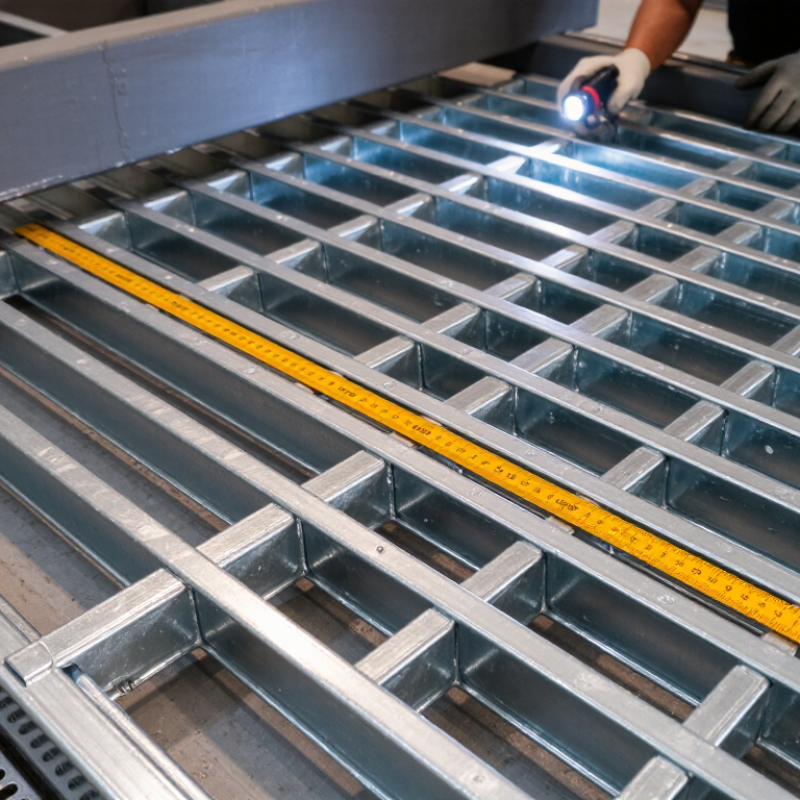
In practical projects, engineers usually begin with load requirements and support spacing. Measure the opening carefully, then confirm whether the grating will carry pedestrians, carts, vehicles, or machinery. Consider panel depth, bearing bars, cross-bar spacing, and fastening options. Serrated surfaces can improve slip resistance in wet areas, while smoother surfaces may simplify cleaning. Every decision should connect to the site.
Galvanized Grating also needs careful corrosion assessment. Hot-dip galvanizing commonly protects steel with a zinc coating, but harsh chemicals, coastal air, and standing water can shorten service life. Ask suppliers for coating information, material grades, fabrication details, and inspection records. Reputable manufacturers should explain their testing methods clearly. Independent engineering review may be worthwhile for busy platforms or safety-critical walkways.
Do not choose by catalog image alone. Request samples when possible. Check weld quality, edge finish, flatness, and actual dimensions before installation. A small mismatch can create expensive field modifications. Standards and project requirements may differ by region, so verify them with a qualified local professional. No checklist is perfect. I have seen attractive grating fail expectations because drainage and maintenance were ignored. A reliable choice balances safety, durability, cost, and future access. That balance is the real starting point for selecting galvanized grating in 2026.
What Is Galvanized Grating and How Is It Made?
Galvanized grating is a steel platform made from load-bearing bars and crossbars. The bars carry weight, while the crossbars keep the panel stable. Open spaces let water, snow, and debris pass through. This makes grating practical for walkways, platforms, stairs, and drainage areas. Wet surfaces still need attention.
Manufacturing begins with cutting steel bars to precise lengths. Workers weld the crossbars into a regular grid. The finished panel is cleaned before galvanizing. It then enters a bath of molten zinc, usually near 450°C. Zinc bonds to the steel and creates a protective coating. The coating covers edges, welds, and exposed surfaces. Drainage holes help zinc flow through hollow sections. After cooling, inspectors check dimensions, weld quality, surface coverage, and visible damage. A bright finish looks reassuring, but appearance alone proves little.
When choosing galvanized grating in 2026, match the panel to its actual load. Consider people, carts, tools, snow, and vibration. Bar spacing also affects safety, heel clearance, and cleaning. Serrated surfaces can improve traction in oily or rainy areas. Measure the installation space carefully; small errors can create unstable supports. Ask for coating records and load data from qualified suppliers. Local engineering requirements still control the final design. I would not select a panel by price alone. A cheaper panel may use thinner bars or weaker welds. That mistake can become expensive. Examine cut edges, support spans, and maintenance access before approval.
Which Galvanized Grating Materials and Types Are Available?
How to Choose Galvanized Grating in 2026?
Galvanized grating usually starts with carbon steel, structural steel, or low-alloy steel. Hot-dip zinc coating then protects the steel from moisture and surface corrosion. The World Steel Association reported 1.88 billion tonnes of crude steel production in 2024. This scale supports broad availability, but not every steel grade suits grating. Check the mill certificate, load rating, and coating specification before ordering. ASTM A123/A123M and ISO 1461 provide useful benchmarks for galvanized coatings.
Available grating types include welded, press-locked, swage-locked, and riveted designs. Plain bearing bars work well in cleaner industrial areas. Serrated bars provide better traction around oil, rain, or mud. Mesh spacing also matters. Small openings help prevent tools from dropping through platforms. Larger openings may reduce weight and improve drainage. The U.S. Geological Survey’s Mineral Commodity Summaries 2025 estimated global zinc mine production at about 13 million metric tons in 2024. Zinc remains widely available, yet coating thickness and bath control still affect service life. My first specification mistake was choosing by appearance alone. It looked strong, but the drainage pattern was unsuitable.
Tips: Match bearing-bar depth to the actual span and working load. Request coating thickness records, not only “galvanized” wording. Confirm cutting, welding, and repair requirements before fabrication. A perfect choice is rarely practical. Consider installation time, footwear traction, cleaning, and future replacement access.
How Do Environment and Installation Affect Grating Selection?
Choosing galvanized grating in 2026 starts with exposure, not appearance. Salt spray, standing water, fertilizer dust, and acidic process vapors accelerate zinc loss. The NACE IMPACT study estimated global corrosion costs at US$2.5 trillion annually, equal to 3.4% of global GDP. That figure explains why environment mapping deserves attention before ordering. In coastal areas, specify drainage-friendly bearing bars and avoid pockets that trap chlorides. Keep it simple.
ISO 1461:2022 specifies a minimum average zinc coating thickness of 85 micrometres for fabricated steel over 6 mm, with 70 micrometres locally. This is a useful baseline, not a guaranteed service life. The American Galvanizers Association notes that atmospheric corrosion rates vary sharply across rural, industrial, and marine exposure. I have seen grating fail early when designers selected a standard finish for a washdown zone. Thicker coating alone may not fix it. Consider duplex protection where chemicals remain frequent.
Installation changes performance. Cut edges, drilled holes, weld repairs, and damaged contact points need compatible zinc-rich repair procedures, such as those described in ASTM A780. Set panels with positive drainage, allow thermal movement, and prevent dissimilar-metal contact around fasteners. Check span, wheel loads, deflection, and bearing-seat dimensions against project load tables. A tight fit can become a hazard after expansion. It happens. Record coating thickness and repair areas during inspection, because photographs often reveal blocked drains better than drawings.
What Safety Standards and Maintenance Needs Should You Check?
How to Choose Galvanized Grating in 2026?
Safety should guide every galvanized grating decision, not only price or appearance. Confirm the required load rating, span, bearing bar size, and support spacing. The grating must carry expected workers, tools, carts, and occasional impact loads. Check opening dimensions carefully. Small objects can fall through wide openings, especially above busy work areas.
Ask for documented compliance with applicable local building, workplace, and access standards. Project specifications may reference standards such as ASTM A123/A123M or EN requirements, but requirements differ by region. Verify slip resistance for wet, oily, or icy locations. Serrated surfaces often improve traction, though they can complicate cleaning. Examine welding quality, panel alignment, fixing clips, and edge protection. A bright zinc surface is not proof of structural quality.
Maintenance needs are usually modest, but they are not zero. Inspect high-traffic areas for bent bars, loose fasteners, damaged welds, and coating loss. Look beneath panels too. Mud, salt, and chemical residue can collect around supports and accelerate corrosion. Rinse contaminated surfaces with clean water, then allow drainage and drying. Do not paint over damage before identifying its cause. Replace severely weakened sections rather than accepting a temporary patch. In practice, inspection records are sometimes incomplete, and that is a weakness worth correcting. A simple monthly checklist can record location, condition, load changes, and repair dates. Small defects matter.