What Is a Hood Filter and How Does It Work?
A kitchen hood does more than sit above a range. It pulls in smoke, heat, and grease-laden air produced during cooking. A Hood Filter catches grease and other particles before they build up inside the hood or enter the ventilation system. That thin panel, often made of mesh or metal baffles, has a practical job. It can help keep internal surfaces cleaner and support steady airflow when maintained properly. It is easy to overlook. The difference can show up on the stovetop, in the duct, or on the filter itself.
How a hood filter works depends partly on the hood’s design. In a ducted system, air passes through the filter and is carried outdoors. In a recirculating system, air may also pass through a charcoal filter that helps reduce odors before returning to the room. These parts are not interchangeable, and charcoal filters often have different care or replacement needs. A filter does not remove every particle or replace good ventilation. That point is worth remembering. Performance varies with cooking habits, hood design, installation, and cleaning.
This guide explains what hood filters do, how common types differ, and what to check when choosing or caring for one. A greasy filter can restrict airflow, but cleaning methods vary by material and manufacturer. Some metal filters are dishwasher-safe; others call for gentler care. Check the product instructions rather than guessing. The filter may look simple, but the details matter.
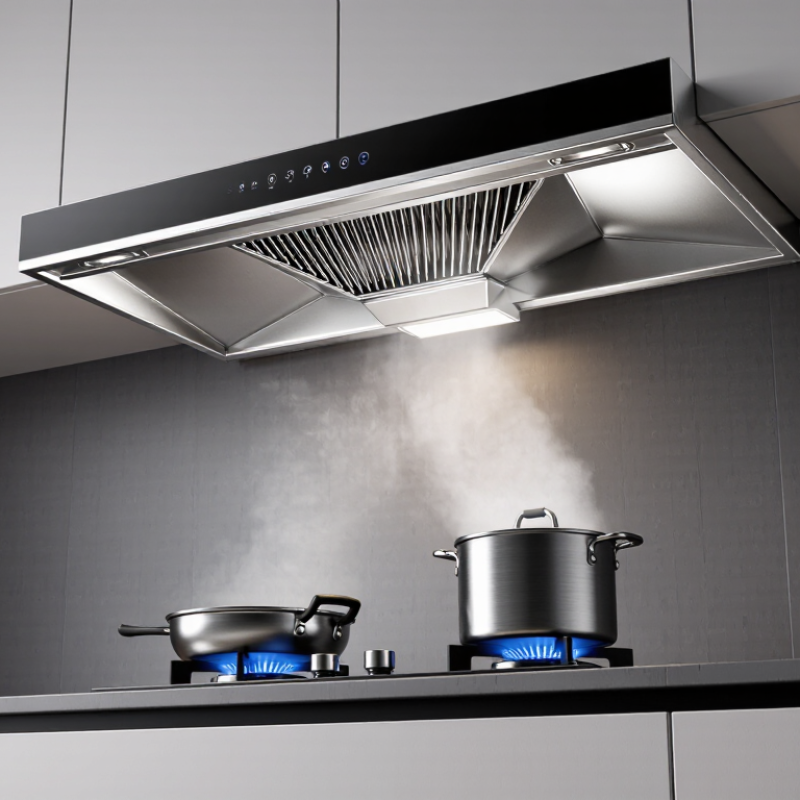
Definition and Purpose of a Hood Filter
A hood filter is a removable barrier fitted inside a kitchen exhaust hood, between the cooking area and the fan. Its main job is to catch airborne grease before it enters the ductwork. Many filters use layered metal mesh or angled baffles. As warm, greasy air passes through, droplets strike the filter and drain into a collection channel.
This protects the fan and duct surfaces from sticky buildup that can restrict airflow and make cleaning harder. It can also reduce grease settling on nearby cabinets. A filter is not a complete air cleaner, though. It does not reliably remove every fine particle, cooking odor, or gas. In a ducted system, air is carried outdoors; in a recirculating system, a separate charcoal filter may help reduce odors.
That distinction matters. A metal grease filter and a charcoal odor filter do different work, and some hoods use both. Filters need regular inspection. A clogged surface can reduce airflow, while a clean-looking filter may still hold grease in its channels. Washable metal filters are commonly cleaned with warm water and suitable detergent, following the hood’s care instructions. Cleaning intervals vary, so a fixed schedule may not fit every kitchen. I would not judge performance by appearance alone. A quiet fan can still be moving less air than expected.
Main Components and Common Filter Types
A hood filter sits between the cooking plume and the exhaust duct. Its frame holds the filtering surface, while handles or clips secure it inside the hood. In a baffle filter, offset metal plates force rising air to change direction. Grease droplets strike the plates, collect in channels, and drain toward a removable cup. Small parts matter. A loose fit can let greasy air bypass the filter. Mesh filters use layered metal screens to catch grease, but they can load up quickly if cleaning is delayed. They are not interchangeable with every hood system.
Common types include stainless-steel baffle filters, aluminum mesh filters, and activated-carbon filters. Baffles are widely used in commercial kitchens because their open channels are easier to inspect and clean. Mesh filters have a finer, layered surface; carbon filters mainly reduce odors in certain recirculating systems and do not replace grease filtration. The distinction matters. NFPA’s 2017 report, Structure Fires in Eating and Drinking Establishments, found cooking equipment involved in 61% of reported restaurant and bar structure fires from 2010 to 2014. That figure does not measure filter performance, but it shows why grease control deserves attention. A filter that looks clean may still hold residue in its seams, so visual checks alone are imperfect. Cleaning frequency should follow the equipment instructions and actual cooking volume.
How a Hood Filter Captures Airborne Grease and Particles
A hood filter sits between the cooking surface and the exhaust fan. Its job is to intercept grease droplets and some airborne particles before they travel deeper into the ventilation system. You may notice it most when frying: warm air rises, carrying tiny oil droplets and cooking residue with it.
Many metal filters use angled baffles or layers of mesh. As air passes through, the filter redirects its path. Grease droplets have more mass than air, so they strike the filter’s surfaces, collect, and drain toward a tray or cup. The fan keeps air moving through the hood. The filter does not stop every contaminant, though. Very fine particles and odors may pass through, depending on the filter design and ventilation setup. That distinction is easy to overlook.
Maintenance matters. A greasy filter can restrict airflow and may allow residue to build up inside the hood. Check it regularly, especially after frequent high-heat cooking, and clean it according to its material and care instructions. Let it dry fully before reinstalling. A filter that looks clean may still hold a thin, sticky film, so appearance alone is not a perfect test. Airflow tells part of the story.
What Is a Hood Filter and How Does It Work?
How it works: Baffle and mesh filters intercept grease droplets as cooking air passes through them. Activated-carbon filters adsorb odors in recirculating hoods; they are generally not designed to capture grease and are typically replaced rather than washed.
The chart compares typical functions, not measured filtration efficiency. “Yes” and “No” are coded as 1 and 0; features can vary by filter model.
Factors That Affect Filtration Performance
A hood filter intercepts grease droplets as cooking exhaust passes through its baffles. Its performance depends on more than filter design. Airflow matters: too little may let smoke escape the hood, while excessive airflow can carry fine grease past the filter. ASHRAE Standard 154 links commercial-kitchen exhaust rates to hood configuration and cooking duty, rather than prescribing one rate for every kitchen. A filter must also fit snugly; even a narrow gap can become an easy path for unfiltered air. Small details matter.
Grease buildup changes the path through the baffles and can restrict airflow. NFPA 96 (2021), Table 12.4, gives exhaust-system cleaning intervals ranging from monthly for solid-fuel cooking to annually for low-volume operations; high-volume kitchens are listed at quarterly intervals. These are system-level schedules, not a reason to ignore a visibly loaded filter between cleanings. Check for sticky residue, damaged seams, and filters installed backward or loosely. Real kitchens are messier than test conditions, and cleaning alone cannot fix poor airflow or a badly matched filter. A simple log of cleaning dates and observed grease buildup can help identify when performance begins to slip.
Cleaning, Replacement, and Routine Maintenance
A hood filter catches grease droplets before they enter the exhaust duct. That makes the filter a maintenance item, not a fireproof barrier. NFPA’s report on U.S. structure fires in eating and drinking establishments found cooking equipment involved in 61% of fires from 2017 to 2019. Grease buildup deserves regular attention.
Remove filters only when the hood and cooking equipment are cool. Soak them in warm water with a suitable degreaser, then scrub the baffles and edges where residue collects. Rinse thoroughly and let each filter dry before reinstalling it. Check for loose frames, bent baffles, or gaps that could let grease pass through. Follow the hood maker’s cleaning instructions; harsh chemicals can damage some finishes.
Set a written schedule and adjust it when cooking volume changes. NFPA 96 sets cleaning intervals by use, ranging from monthly for solid-fuel cooking to annually for low-volume operations. Check the applicable edition and have the full exhaust system assessed by qualified professionals. Filters alone cannot reveal grease inside ducts. A quick visual check helps, but it can miss hidden buildup. Keep a simple log of cleaning dates, damage, and repairs; even careful teams miss a corner sometimes.