How to Recycle Drink Cans Effectively?
Recycling Drink Cans is crucial for sustainable living. In 2022, the recycling rate for aluminum cans in the U.S. reached approximately 50%. This number is significant but still leaves room for improvement. Many consumers still dispose of drink cans improperly. Education on effective recycling methods is necessary.
Aluminum can be recycled indefinitely without losing quality. It takes 95% less energy to create new cans from recycled aluminum. Despite this, many drink cans end up in landfills. According to the Aluminum Association, only 60% of consumers regularly recycle these cans. This highlights a gap in public awareness and accessibility.
People often forget to rinse and sort their drink cans properly. Many believe that tossing them in the recycling bin is sufficient. However, contamination can lead to entire batches being discarded. Encouraging proper recycling behavior can significantly impact the overall effectiveness of our recycling systems.
Understanding the Importance of Recycling Drink Cans
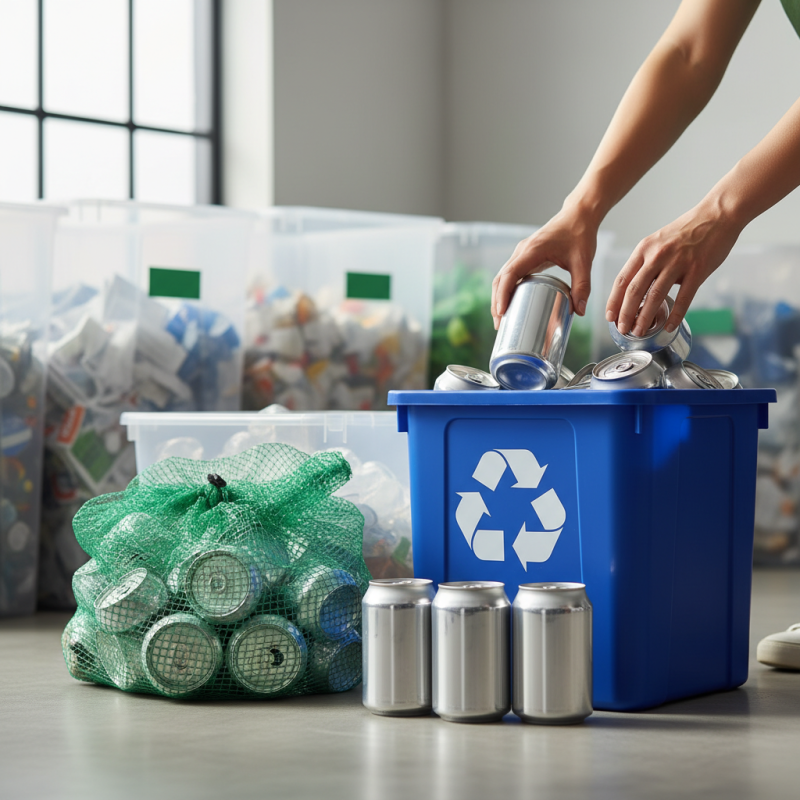
Recycling drink cans is crucial. In the United States, nearly 200 billion aluminum cans are used each year. Surprisingly, only about 50% get recycled. This gap highlights a missed opportunity. Aluminum can be recycled infinitely without losing quality. This means using recycled aluminum saves 95% of the energy needed to produce new aluminum.
The environmental benefits are clear. Recycling cans significantly reduces greenhouse gas emissions. A report from the Aluminum Association estimates that recycling one can saves enough energy to power a television for three hours. However, public awareness remains low. Many people still toss cans into regular trash, unaware of the impact. Simple acts, like using designated recycling bins, can change this.
In urban areas, the challenge grows. Contamination in recycling streams complicates processes. A study found that over 25% of recycled materials end up in landfills due to contamination. Education is vital. Communities need clear information on what can be recycled. Only then can we harness the full potential of recycling drink cans.
Identifying Different Types of Drink Cans and Materials
When recycling drink cans, it’s important to identify different types and materials. Most cans are made of aluminum or steel. Aluminum cans are lightweight and easily recyclable. Steel cans, often used for beverages like some types of beer, may be heavier and require different recycling processes.
Tips for identifying cans: Check the can's label. It often indicates the material. If it's a smooth, shiny surface, it’s likely aluminum. A magnetic test can also help; magnets stick to steel but not aluminum. Separate these types to improve recycling efficiency.
Not all cans will be accepted by local recycling facilities. Some places may not take steel cans; it's vital to verify this. Contamination can be a big issue too. Rinsing out cans can make a significant difference. Dirty cans can end up in landfills rather than being recycled properly.
Recycling habits can sometimes be flawed. It’s easy to think all cans are recyclable without knowing local rules. This can create confusion and waste. Being aware of the different materials can lead to better recycling practices. Consider adjusting your methods for a more effective recycling experience.
Recycling Rates of Different Types of Drink Cans
This chart illustrates the recycling rates of various types of drink cans and their materials. Aluminum cans lead with a 75% recycling rate, followed by plastic bottles at 45%, while steel and glass cans have lower rates of 25% and 30%, respectively.
Step-by-Step Guide to Preparing Drink Cans for Recycling
Recycling drink cans effectively starts with proper preparation. Rinse out each can after use. Residue from beverages can contaminate recyclables. A quick rinse is usually enough. Make sure to remove any plastic or non-recyclable components. These small details matter.
Flattening the cans is a helpful step. By doing this, you save space in your recycling bin. It also helps with transportation to recycling facilities. Remember to keep your cans dry and clean. If you have doubts about a can's recyclability, check local guidelines.
Tips: Always check for local recycling rules. Not all areas accept the same materials. Understand your community’s recycling program fully. Avoid wish-cycling, where you hope an item will be accepted. This can waste valuable resources.
Finding Local Recycling Centers or Curbside Programs
Finding the right place to recycle drink cans can be a bit tricky. Local recycling centers may not always be well advertised. Many towns offer curbside recycling programs, making it more convenient. Check your local municipality's website for details. Some cities have designated drop-off locations for recyclables.
Tips for effective recycling include rinsing your cans thoroughly before recycling. This helps reduce contamination in the recycling stream. Flattening the cans can save space, both in your bin and at the recycling facility. Remember, not all types of cans are accepted. You may need to do some research.
You might find it challenging to stay organized. A designated spot at home for recyclables could help. Tracking local recycling laws is crucial as they can differ significantly. They may change, and misunderstanding can lead to improper disposal of cans. Keep yourself updated on new guidelines for recycling to ensure you are doing it right.
Tips for Maximizing Return from Recycled Drink Cans
Recycling drink cans can yield significant benefits, both for the environment and economically. According to the Aluminum Association, recycling one aluminum can saves enough energy to run a TV for three hours. However, not all cans are recycled effectively. Many people overlook the cleaning step, which is crucial. Rinse your cans to remove any residue. A dirty can may contaminate the recycling batch, making it less valuable.
The financial return on recycled cans can vary widely. Reports show that aluminum scrap prices can fluctuate but often average between $0.80 to $1.00 per pound. If you're diligent and collect a large quantity, it can add up quickly. On average, a regular soda can weighs about 0.5 ounces. It might take around 32 cans to make a pound. That's a lot of effort for just one pound, but the payoff is worth it.
Consider participating in local recycling programs. Sometimes, they offer incentives or rebates for recycling. Additionally, some communities provide curbside pickup, which makes recycling easier. Still, challenges remain. Not everyone has access to convenient recycling options. This disparity can lead to inconsistent recycling rates across regions. Taking small steps can make a big impact, but we still have room for improvement in our recycling habits.
How to Recycle Drink Cans Effectively? - Tips for Maximizing Return from Recycled Drink Cans
| Material | Weight per Can (g) | Price per Kg ($) | Return per Can ($) | Recycling Rate (%) |
| Aluminum | 15 | 2.00 | 0.03 | 67 |
| Steel | 20 | 0.50 | 0.01 | 50 |
| Tin | 25 | 1.20 | 0.03 | 60 |
| Mixed Metals | 22 | 0.75 | 0.02 | 55 |
| Other (Plastic) | 10 | 1.00 | 0.01 | 40 |