How to Choose the Best Small Micro Switch for Your Needs?
Choosing the right Small Micro Switch is crucial for any project. These components control electrical signals in various devices, from appliances to industrial equipment. In 2022, the global micro switch market was valued at approximately $1.3 billion and is projected to grow significantly. This indicates the rising demand for reliable and efficient switches across industries.
When selecting a Small Micro Switch, consider factors such as size, current rating, and application type. Different switches can handle varying loads and environments. For example, some are designed for heavy-duty use, while others are more suitable for delicate devices. Often, manufacturers offer detailed specifications, but not all meet industry standards. This poses a challenge for buyers looking for quality products.
Understanding your needs is essential. Sometimes, the most popular switch may not be the best fit for your application. It's worth investing time to research and possibly consult industry experts. Engaging with professionals helps ensure you choose a switch that offers both performance and durability.
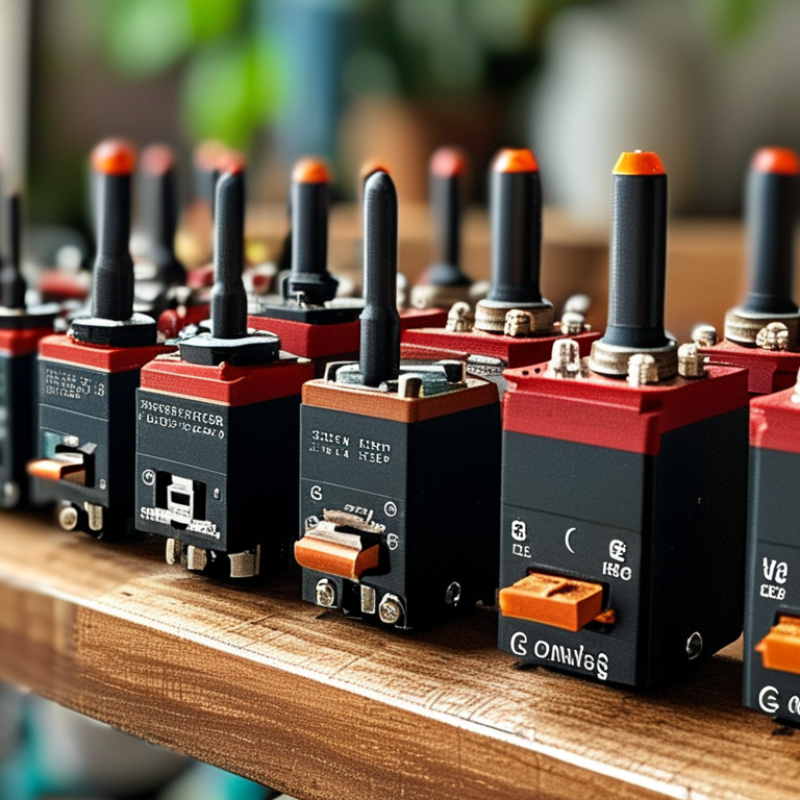
Understanding Micro Switches: Definitions and Functions
Micro switches are essential components in various applications, from household appliances to industrial machines. They function by detecting physical changes, such as the actuation of buttons. The mechanics behind micro switches involve a tiny actuator that, when pressed, closes an electrical circuit. This action generates a signal necessary for device operation.
Data from industry reports indicates that micro switches have a high reliability rate, typically exceeding 10 million cycles. This longevity makes them suitable for demanding environments. It's crucial to select a micro switch that matches specific needs, such as durability, actuation force, and size. Many users overlook these aspects, leading to premature failures or performance issues.
When choosing a micro switch, assess the operational environment. High humidity or extreme temperatures can influence performance. Avoiding over-specifications is also essential. Using a switch rated for more than necessary can increase costs.
Tip: Always consult the datasheet. It contains vital information on electrical ratings and mechanical characteristics. Understanding these specifications can enhance performance and reliability.
Identifying Your Application Requirements for Micro Switch Selection
When selecting a micro switch, understanding your specific application requirements is crucial. Micro switches come in various sizes, types, and configurations. Each type serves different functions, so it's important to evaluate the operational environment. For instance, consider whether the switch will be exposed to moisture, dust, or extreme temperatures. These factors can significantly affect the switch’s performance and longevity.
Another aspect to consider is the switch's electrical ratings. Identify the voltage and current requirements of your application. Too low of a rating might lead to failure, while too high may cause overheating. Pay attention to the actuation force as well. You might need a lighter touch for some applications, while others require robustness to prevent accidental activation. Reflect on past experiences with switches. Sometimes, unexpected failures can reveal insights into what features matter most.
Don’t overlook the mounting considerations either. Some micro switches are designed for specific mounting styles. This could affect installation and maintenance. Evaluate whether your team has the expertise to manage these installations or if you need additional resources. Balancing these factors may require some trial and error. Each decision you make should ideally stem from informed experiences or recommendations from knowledgeable sources.
Key Specifications to Consider When Choosing a Micro Switch
When selecting a micro switch, it is vital to consider key specifications to ensure optimal performance. Firstly, the operating force is crucial. Research indicates that the ideal operating force typically ranges from 100 to 300 grams. This range allows for reliable actuation without excessive strain. A force that is too high may lead to user fatigue, while one that is too low can cause accidental triggering.
Another vital aspect is contact ratings. The current and voltage ratings of the switch must align with the application's requirements. According to industry standards, micro switches generally handle currents from 0.1A to 10A and voltages from 12V to 120V. If these ratings are exceeded, the switch may fail prematurely. An unreliable switch can disrupt operations, leading to increased maintenance costs.
Durability is also crucial. Micro switches are rated for mechanical life, with many lasting over 1 million cycles. However, environmental factors, such as dust and moisture, can impact longevity. The degree of environmental sealing can be expressed using IP ratings, commonly found between IP40 and IP67. Higher ratings indicate better resistance to ingress. Always assess the specific application environment to mitigate potential failures. Choosing a micro switch involves balancing these specifications to meet your unique needs effectively.
Comparing Different Types of Micro Switches and Their Features
When selecting a small micro switch, understanding the types available is crucial. Micro switches come in various designs, including toggle, push-button, and snap-action. Toggle switches are often used in applications where manual operation is needed. Push-button switches are convenient for compact designs. Snap-action switches quickly change their state, ensuring reliable performance in numerous devices.
Each type has its own unique features. For instance, toggle switches can offer a tactile response, beneficial in applications requiring user feedback. Push-button switches may include momentary or maintained action, catering to different needs. Snap-action switches, known for their quick response time, are ideal in safety applications where precision is key. Evaluating these features in relation to your specific project can significantly affect performance outcomes.
Choosing the best micro switch often involves trade-offs. A switch that excels in one area may lack in another. Take the time to critically assess your requirements. Consider the environment where the switch will be used; factors like temperature and humidity can influence switch performance. It's essential to understand the context and challenges to ensure you make an informed decision.
How to Choose the Best Small Micro Switch for Your Needs? - Comparing Different Types of Micro Switches and Their Features
| Type of Micro Switch | Contact Configuration | Operating Force (g) | Travel Distance (mm) | Max Current (A) | Applications |
| Standard Micro Switch | SPDT | 150 | 0.2 | 15 | Home Appliances |
| Sealed Micro Switch | SPST | 200 | 0.3 | 10 | Industrial Equipment |
| Heavy-Duty Micro Switch | SPDT | 300 | 0.5 | 20 | Automotive |
| Subminiature Micro Switch | SPST | 100 | 0.15 | 5 | Consumer Electronics |
| Snap Action Micro Switch | SPDT | 250 | 0.25 | 10 | Robotics |
Tips for Testing and Validating Your Micro Switch Choices
Testing and validating your micro switch choices is essential. Begin by checking the operating force and travel distance. These parameters define how the switch responds under load. Use a calibrated force gauge to measure the exact force needed to actuate the switch. Precision matters here; even small deviations can lead to performance issues.
Next, assess the electrical characteristics. Check the current and voltage ratings for compatibility with your application. Perform tests to verify that the switch operates reliably within these limits. Consider run-time tests under your specific conditions. This helps identify potential failure points during prolonged use.
Lastly, gather feedback from users or perform long-term reliability tests. Observations in real-world applications can uncover critical issues. Document any unexpected failures or performance drops. This iterative process can enhance your understanding and lead to better choices in the future. Testing is as much about learning as it is about validation. Don’t overlook the power of empirical data.