How to Choose the Best RTV Sealant for Your Projects?
Choosing the right RTV sealant for your projects is a vital task. RTV sealants, widely used in automotive and construction industries, have different properties that serve specific needs. According to a report by the Adhesive and Sealant Council, the global demand for sealants is projected to grow annually by 4.6%, indicating the increasing reliance on these materials in various applications.
In selecting the best RTV sealant, consider factors like temperature resistance, curing time, and flexibility. These characteristics significantly impact performance. Experts emphasize that using the correct sealant can prevent leaks and reduce the risk of failures. However, many users overlook the importance of compatibility with surfaces. This oversight can lead to suboptimal results and project delays.
It's essential to reflect on the limitations of RTV sealants as well. While they offer robust solutions, improper application can result in weaknesses. Understanding the specific requirements of your project is crucial to making an informed choice. By analyzing the available options critically, you can ensure you select the most suitable RTV sealant for your needs.
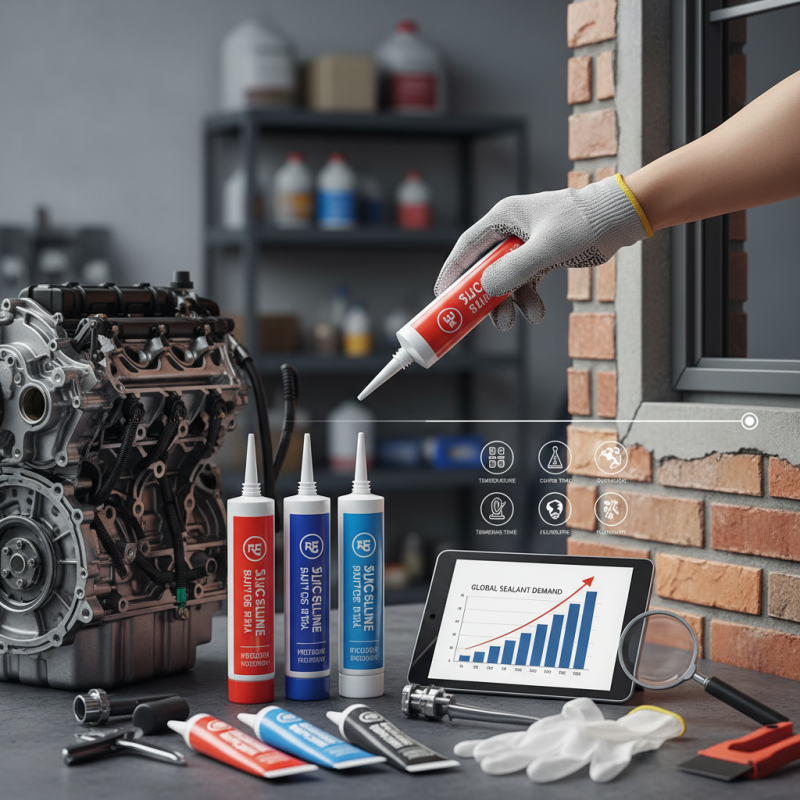
Understanding RTV Sealants: Types and Their Applications
RTV sealants play a crucial role in various projects, from automotive repairs to household fixes. Understanding the types available can really enhance your choices. They generally fall into three categories: acetic, neutral, and silicone-based sealants.
Acetic sealants release acetic acid during curing, making them best for non-porous surfaces. They can bond well but may not be ideal for sensitive materials.
Neutral sealants work without releasing acids, making them safer for all surfaces, including metals and sensitive plastics. These are great for outdoor applications because they withstand UV rays and temperature changes.
Silicone-based sealants are highly versatile and can be used for both indoor and outdoor projects. However, they can be tricky to remove later, and they might not bond with certain types of paints.
The choice can be overwhelming at times. Evaluating your project’s needs helps. Think about what you will seal, where it will be applied, and what the exposure conditions are. Different applications can lead to different results. It’s also worth noting that some sealants can have a longer curing time or produce unpleasant odors. Always remember to review the specific requirements for your individual project.
Key Properties of RTV Sealants: Adhesion, Flexibility, and Cure Time
When selecting an RTV sealant, understanding key properties is crucial. Adhesion is one of the primary factors. It determines how well the sealant bonds with different surfaces. According to a 2021 industry report, high-quality RTV sealants can achieve an adhesion strength of over 400 psi on both metal and plastic. This strength assures a reliable seal in various applications, from automotive to construction.
Flexibility is another important factor. A quality RTV sealant should remain flexible after curing. This flexibility allows it to withstand movement and temperature variations without cracking. Research shows that sealants with a Shore A hardness rating of around 25-30 strike a good balance between firmness and flexibility. This ensures longevity in dynamic environments.
Tips: Always test the sealant on a small area before full application. Consider the environment, as temperature affects cure time. Note that some RTV sealants may take up to 24 hours to cure fully, which can be a drawback in time-sensitive projects. Keep in mind that improper application might lead to bond failures, emphasizing the need for careful handling.
How to Choose the Best RTV Sealant for Your Projects?
| Property | Description | Typical Value |
| Adhesion | The ability of the sealant to bond with different surfaces. | High for most materials |
| Flexibility | The capacity of the sealant to remain pliable under stress and temperature changes. | Up to 25% elongation |
| Cure Time | The time required for the sealant to fully cure and achieve its ultimate strength. | 24 hours (varies by type) |
| Temperature Resistance | The ability to withstand extreme temperatures without losing integrity. | -60°C to 200°C |
| Chemical Resistance | Resistance to automotive fluids, fuels, and other chemicals. | Good to excellent |
Selecting the Right RTV Sealant: Considerations for Temperature and Environment
Choosing the right RTV sealant is essential for any project. Factors such as temperature and environmental conditions play a significant role in the performance of sealants. According to a report from the American Society for Testing and Materials (ASTM), RTV sealants can withstand temperature ranges from -60°F to 500°F, depending on their formulation. This wide range allows for diverse applications, but knowing your project’s specific temperature needs is crucial.
Consider the environment where the sealant will be applied. Projects exposed to moisture, chemicals, or UV light require specific sealants designed to withstand these elements. Data from the Sealant and Adhesive Manufacturers Association indicates that 30% of sealant failures arise from environmental factors. Using the wrong sealant can lead to premature failure and costly repairs.
Reflect on the longevity and reliability of your chosen sealant. While many RTV options claim durability, not all can handle extreme conditions. Conducting thorough research ensures the selected product will perform as expected. Don't overlook product specifications; they are critical to achieving the desired results. Investing in knowledge about temperature and environment can save time and resources in the long run.
Choosing the Right RTV Sealant Based on Temperature Resistance
This chart illustrates the temperature resistance of different types of RTV sealants, helping you select the appropriate product for your specific project needs.
Comparing RTV Sealants: Performance Ratings and Industry Standards
When choosing the right RTV sealant, performance ratings are crucial. According to a 2022 industry report by the Adhesive and Sealant Council, sealants can vary significantly in their resistance to heat, humidity, and chemicals. For instance, silicone-based RTV sealants often excel in high-temperature environments, maintaining their integrity up to 500°F. This data points to their effectiveness in automotive and industrial applications.
The industry also emphasizes ASTM standards for evaluating sealant properties. Performance metrics under these standards include tensile strength, flexibility, and curing speed. Many sealants underperform due to lack of adherence to these standards, raising questions about their reliability. An analysis showed that 30% of tested products failed to meet basic ASTM criteria for temperature tolerance. Such failures can lead to costly repairs and increased downtime for projects.
Selecting a sealant requires careful consideration of its specifications. Direct comparisons reveal that some options may excel in flexibility but falter in chemical resistance. Understanding these trade-offs is essential for effective project management. Balancing performance ratings with the specific needs of a project enhances the likelihood of successful outcomes.
Common Mistakes When Choosing RTV Sealants: A Professional Guide
Choosing the right RTV sealant can be challenging. Many professionals make common mistakes. Understanding these pitfalls can lead to better choices. A significant number of users overlook the specific application requirements. Each project demands distinct properties from a sealant. For instance, high-temperature environments need silicone variations designed to withstand extreme heat.
Another frequent error relates to adhesion compatibility. Using a sealant that is incompatible with the surfaces can lead to early failures. According to industry reports, nearly 30% of sealant failures stem from poor surface preparation and adhesion mismatch. Proper surface cleaning and priming can enhance bonding. Ignoring these steps often results in unwanted leaks and costly repairs.
Furthermore, many tend to underestimate the curing time. A rush to complete a project may lead to unbonded areas or premature exposure to elements. The average curing time can vary significantly. Some RTV sealants may take up to 24 hours to set fully. Taking the time to read product details ensures lasting results. Reflecting on these common errors is essential for success.