How to Choose the Best Air Circuit Breaker for Your Needs?
Selecting the right Air Circuit Breaker (ACB) for your projects is crucial for electrical safety and effective power management. According to the Global Circuit Breaker Market Insights Report 2023, the demand for ACBs is projected to rise by 5% annually, reflecting their importance in modern electrical systems. ACBs not only protect circuits from overloads and short circuits, but they also enhance operational efficiency in various applications.
Choosing an ACB involves understanding your specific requirements. Factors such as voltage rating, current rating, and the expected environment play critical roles in its performance. ACBs are designed for high-voltage applications, typically above 15kV, making them a top choice in industrial settings. Some models offer features like digital monitoring and integration with smart grid technologies, which can greatly enhance reliability.
However, many users overlook specific ratings and installation conditions, leading to potential issues. It's important to reevaluate choices periodically. A circuit breaker that's optimal today might not suit future expansions or technological developments. Engaging knowledgeable professionals for consultation can help mitigate these risks and ensure that you make an informed decision regarding your ACB needs.
Understanding Air Circuit Breakers: Definition and Functionality
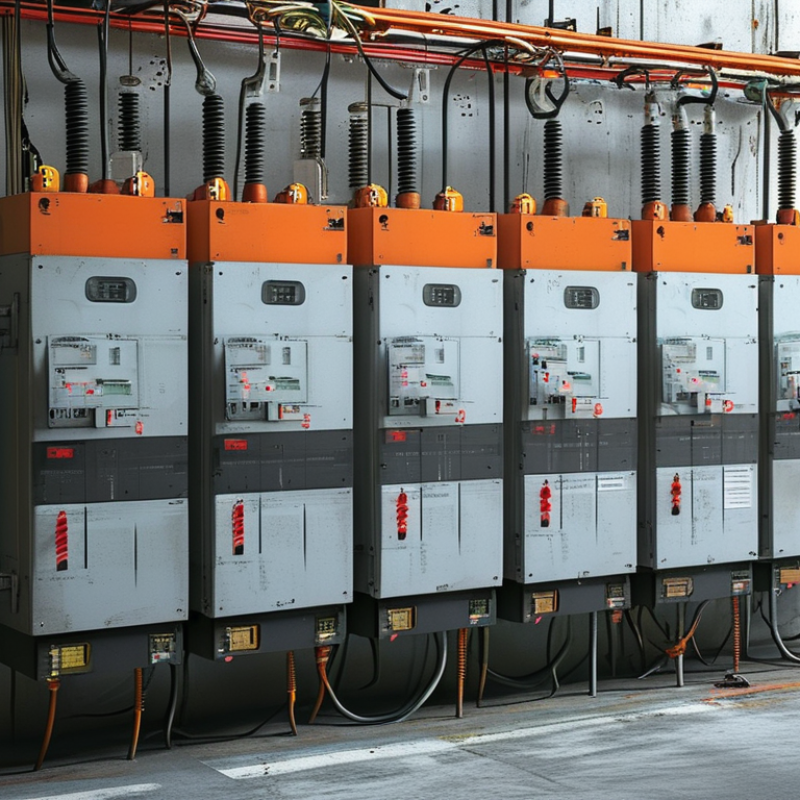
Air circuit breakers (ACBs) are crucial elements in modern electrical systems. They provide protection by interrupting the flow of electricity during overloads or short circuits. The primary function of an ACB is to ensure safety for both equipment and personnel. When a fault occurs, the ACB disconnects the power, thus minimizing potential damage. This protection mechanism is key for industries that rely on heavy machinery and complex electrical configurations.
Understanding the specifications of ACBs is important. They come in various sizes and ratings, making it essential to choose one that aligns with your operational requirements. Factors such as the expected load, potential fault levels, and environmental conditions play a significant role in this selection. While it might be tempting to opt for the cheapest option, doing so could risk safety and reliability. It's necessary to evaluate the long-term implications of your choice.
When selecting an ACB, consider the installation environment. For instance, high humidity or dust can affect performance. Regular maintenance is also vital for ensuring optimal functionality. Many organizations overlook this aspect. Ignoring it could lead to unexpected failures and costly downtime. Finding the right balance between cost, functionality, and reliability can be challenging. However, prioritizing these elements leads to better overall system performance.
Key Factors to Consider When Selecting an Air Circuit Breaker
Choosing the right air circuit breaker (ACB) is crucial for ensuring electrical safety and efficiency. One key factor to consider is the current rating. It should match your system’s needs. Ensure the ACB can handle maximum potential load without overheating.
Another significant aspect is the breaking capacity. This rating indicates the maximum fault current the ACB can interrupt. Selecting an ACB with an inadequate breaking capacity can lead to failures. Evaluating the short-circuit levels in your installation helps determine the right breaker. Don’t overlook the environment where the ACB will be installed. Dusty or humid conditions may require specialized designs.
Finally, installation and maintenance accessibility are important. Some models may look appealing but are complex to maintain. Aspects like size, weight, and accessibility can impact long-term reliability. Researching these factors thoroughly ensures better performance. The decision shouldn’t be rushed; time spent on assessing these details will pay off in the end.
Air Circuit Breaker Performance Metrics
Evaluating the Ratings and Specifications for Your Electrical Needs
When selecting the best air circuit breaker, understanding its ratings and specifications is crucial. The current rating indicates how much electricity the breaker can handle. Consider the maximum load your system may experience. This ensures the breaker won’t trip under normal conditions but will protect during overloads.
Voltage rating is equally important. Ensure it matches or exceeds your system's voltage. Breakers rated too low may fail and risk damage. Also, look at the interrupting capacity, which shows how much fault current the breaker can handle without being damaged. This can be a complex calculation, often making people feel overwhelmed.
Finally, don't overlook environmental factors. These can affect performance. If installed in a dusty or moist environment, choose a breaker designed for such conditions. Reflect on these points carefully. Each decision has long-term impacts. Balancing these specifications, alongside your precise electrical needs, can be challenging but rewarding.
Assessing Reliability and Safety Features in Circuit Breakers
When selecting an air circuit breaker, reliability and safety features are paramount. Reliability ensures the breaker performs consistently over time, protecting electrical systems from overloads. Look for features like thermal and magnetic trip alerts. These allow timely disconnections, averting potential hazards. High-quality materials and robust construction are also key indicators of reliability.
Safety features should not be overlooked. Circuit breakers should include arc detection, which mitigates the risk of electrical fires. Additionally, check if there is a manual reset feature. A clear reset mechanism enhances user control. Evaluate the user interface; simple designs help in emergency situations.
Remember, not all circuit breakers are created equal. It's crucial to assess various models and their specifications. Seek expert advice when in doubt. This effort can prevent costly mistakes and enhances overall safety. Consider the installation environment as well; different settings require tailored solutions. Be proactive in ensuring the circuit breakers meet your reliability and safety criteria.
Comparing Brands and Models: Making an Informed Choice
When selecting an air circuit breaker, it’s essential to compare various brands and models. Each option offers unique features and specifications. This decision impacts safety and efficiency in electrical systems. Look at the current rating and breaking capacity. These factors determine how well the breaker handles electrical loads.
Tips: Assess your system's needs. Ensure the air circuit breaker matches the expected load. Evaluate the installation space and compatibility with existing equipment. A poor match can lead to failures, causing downtime or safety hazards.
Additionally, consider user reviews and expert recommendations. Some models have better durability and performance. Investigate warranties and customer support options. These elements affect long-term reliability and maintenance. Reflect on the feedback from other users for insights on prevalent issues or benefits.
Tips: Maintaining a checklist can help. Include key criteria based on your requirements. It's easy to get swayed by flashy features. A basic, reliable model might serve your needs better. Consider the long-term benefits of a thoughtful choice rather than following trends.
How to Choose the Best Air Circuit Breaker for Your Needs? - Comparing Brands and Models: Making an Informed Choice
| Parameter | Model A | Model B | Model C | Model D |
| Rated Current (A) | 100 | 125 | 150 | 200 |
| Voltage Rating (V) | 400 | 400 | 690 | 400 |
| Breaking Capacity (kA) | 20 | 25 | 30 | 50 |
| Number of Poles | 3 | 4 | 3 | 4 |
| Dimensions (mm) | 250x150x120 | 300x160x130 | 320x170x140 | 400x180x150 |
| Weight (kg) | 6 | 7.5 | 9 | 11 |
| Price Range ($) | 150-200 | 200-300 | 250-350 | 350-450 |