Why Choose Solar Containers for Sustainable Living Solutions?
In recent years, sustainable living has gained significant traction globally. As cities expand and climate concerns rise, innovative solutions have become paramount. One emerging trend is the "solar container." This approach optimizes space and resources while providing eco-friendly energy.
According to the International Energy Agency, renewable energy sources contributed to over 29% of global electricity generation in 2020. solar containers integrate solar energy systems into portable units, making solar power more accessible. These containers can be deployed in remote areas or urban settings, promoting cleaner alternatives.
However, the transition to solar containers faces challenges. There are still gaps in public awareness and initial costs can deter some users. Understanding the benefits is essential. Solar containers offer a tangible solution for energy independence, affordable living, and environmental responsibility. Exploring their potential could redefine how we interact with our environment.
Benefits of Solar Containers for Sustainable Living Solutions
Solar containers offer a unique solution for sustainable living. They harness renewable energy, reducing reliance on fossil fuels. According to a report by the International Renewable Energy Agency, solar energy could supply up to 30% of the world's energy needs by 2030. This makes solar containers an attractive option for environmentally conscious individuals.
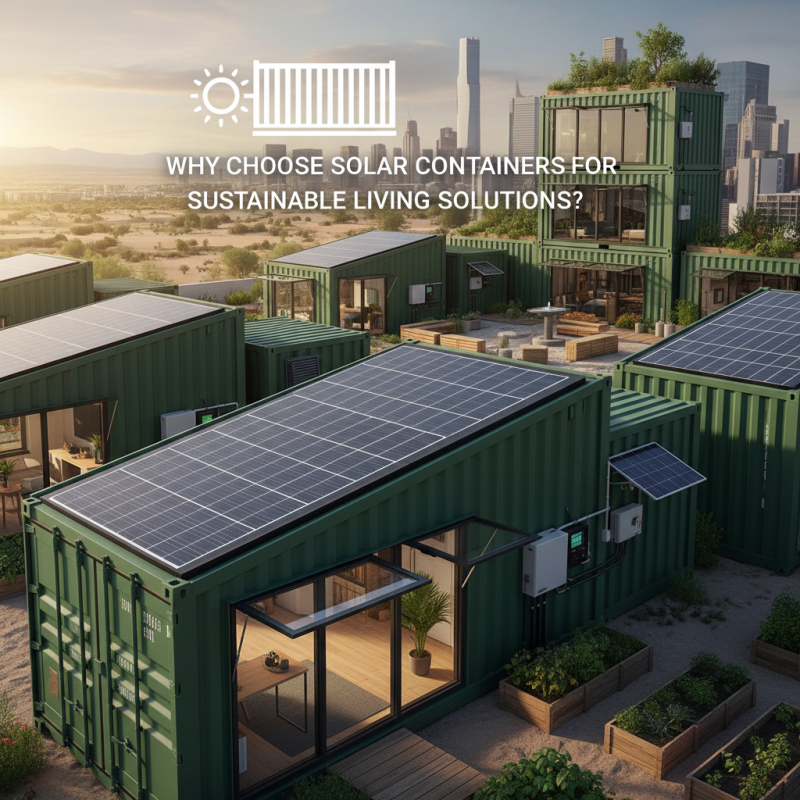
These containers are not just eco-friendly; they are also versatile. They can serve as homes, offices, or even community spaces. With built-in solar panels, they generate their own electricity. This self-sufficiency can lead to significant savings on energy bills. However, the initial investment may seem high. Some might question the longevity of such systems in extreme weather conditions.
The aesthetics of solar containers can also be a concern. Many worry they might not blend well into natural landscapes. Yet, creative designs can enhance their appeal. Importantly, sustainable solutions should focus on community needs. Finding the right balance between functionality and design is essential. Solar containers may not be the ultimate answer, but they warrant consideration in our quest for sustainable living.
Key Features of Solar Containers That Promote Eco-Friendly Practices
Solar containers are gaining traction in sustainable living. These innovative solutions combine mobility with energy efficiency. They contribute to an eco-friendly lifestyle by utilizing solar technology effectively. According to a report from the International Renewable Energy Agency (IRENA), solar energy can reduce carbon emissions by over 80% compared to fossil fuels. This makes solar containers an attractive option for eco-conscious consumers.
One of the key features of solar containers is their versatility. They can be utilized as homes, offices, or community spaces. With integrated solar panels, they generate power while reducing reliance on grid energy. Research shows that approximately 30% of energy demand could be met by renewable sources like solar by 2030. Each container can produce enough energy to power essential appliances, promoting sustainable living.
However, challenges remain. The initial investment in solar technology can be significant. Not everyone has access to these sustainable solutions. As demand grows, supply chains need to be evaluated. The environmental impact of manufacturing solar panels also warrants consideration. Finding a balance between innovation and sustainability is crucial for the future of solar containers.
Cost-Effectiveness of Solar Containers in Sustainable Living
Solar containers offer an innovative way to promote sustainable living. Their cost-effectiveness enhances their appeal. Initially, the investment may seem high. However, over time, savings accumulate through reduced energy bills. Solar containers harness the sun's power, providing renewable energy. This leads to lower utility costs and a smaller carbon footprint.
Using solar containers can be a creative solution for eco-friendly housing. They are portable and can adapt to various locations. Placing them in sunny areas maximizes energy capture. It's important to consider potential challenges. Weather conditions and energy storage can impact performance. Buyers should do thorough research before making a decision.
Tips:
- Calculate your energy needs to choose the right container size.
- Research local incentives for solar energy installations.
- Evaluate different solar technologies to find the most suitable option.
Investing in solar containers may require upfront costs. Yet, the long-term benefits often outweigh these initial expenses. Embracing solar energy is a step towards a more sustainable future.
Real-World Applications of Solar Containers in Various Settings
Solar containers are becoming popular for sustainable living solutions. These are innovative structures that harness solar energy. They offer flexibility and adaptability in various environments. From urban settings to remote locations, solar containers provide energy independence.
In urban areas, solar containers serve as energy hubs. Communities can use them for parks or as mobile charging stations. Meanwhile, in remote places, they turn into vital resources. They power schools or medical clinics, bringing light where there was none. Some challenge remains. Not every location has ample sunlight. Shade from buildings or trees can limit efficiency.
Moreover, solar containers work well in disaster relief efforts. They offer quick, portable power sources during emergencies. Yet, their installation can be complex. Finding the right area and ensuring proper orientation takes time. Quick solutions are ideal, but careful planning is essential. The balance between speed and efficiency is crucial in these scenarios.
Future Trends in Solar Container Technology and Sustainability
As solar container technology evolves, it offers transformative potential for sustainable living. Reports show that the global solar container market is projected to grow at a CAGR of 22% over the next five years. This growth reflects increasing demand for eco-friendly solutions and modular housing. Solar containers can be deployed in various environments, from urban settings to remote areas, bridging access to energy.
Future trends point towards enhanced efficiency in solar panels and energy storage systems. Emerging photovoltaic materials, such as perovskite solar cells, promise to boost energy conversion rates significantly. Additionally, battery technology is advancing, reducing costs and improving storage capacity. However, these innovations also prompt questions about reliability and lifespan. A solar container's effectiveness can vary based on location and usage patterns, requiring thoughtful planning.
Design and integration must prioritize adaptability and community needs. Solar containers can serve diverse purposes, including housing, offices, or emergency shelters. Yet, they sometimes face obstacles in zoning regulations and public perception. Addressing these hurdles is crucial for wider acceptance. Emphasizing collaboration with local communities can enhance their efficacy and sustainability.