Why Choose a Sludge Dryer for Efficient Waste Management?
In today's world, efficient waste management is crucial for sustainable development. One effective solution is the Sludge Dryer, which reduces the volume of sludge significantly. According to a report from the Environmental Protection Agency (EPA), wastewater treatment plants generate nearly 8 million tons of sludge annually in the United States alone. The processing of this sludge is essential to prevent environmental hazards.
A Sludge Dryer not only minimizes waste but also recovers valuable resources. It can reduce water content from 99% to less than 10%. This process leads to a lighter, manageable product that can be reused or disposed of safely. Studies indicate that using a Sludge Dryer can lower operational costs by up to 30%. However, initial investments can be high.
The choice of using a Sludge Dryer must consider facility-specific needs and budget constraints. While the technology offers numerous advantages, the maintenance and operational aspects require careful planning. Many facilities find themselves unprepared for the added responsibilities that come with implementing this technology. Balancing efficiency and cost is a challenge worth pondering as we strive for better waste management solutions.
Understanding Sludge: Definition and Types of Sludge Waste
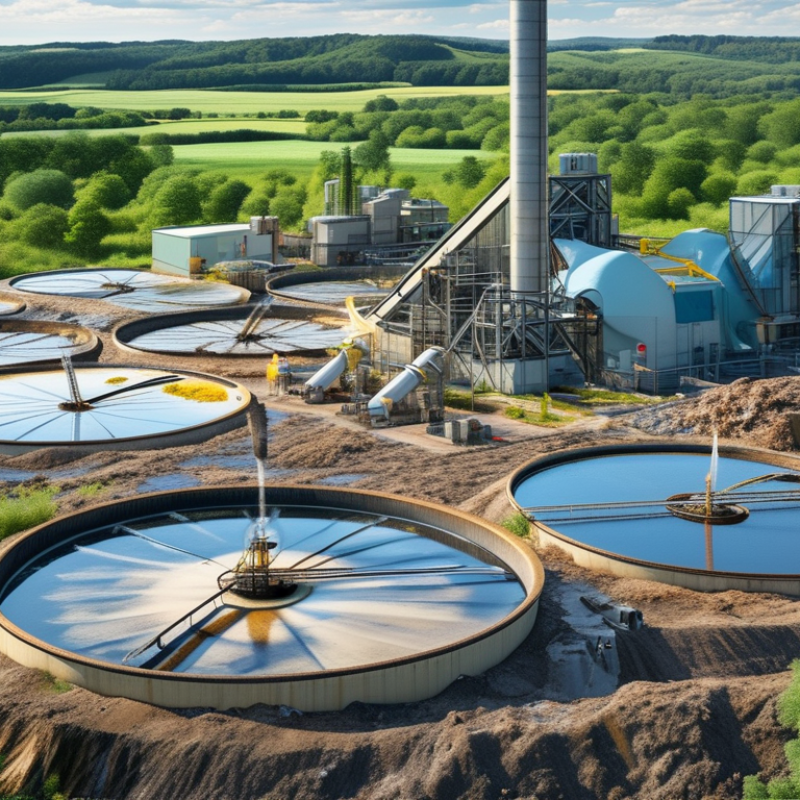
Sludge is a byproduct of various industrial and municipal processes. It accumulates during wastewater treatment and can be challenging to manage. Understanding sludge is essential for effective waste management strategies. Generally, there are two main types of sludge: primary and secondary.
Primary sludge is generated from the physical removal of solids during wastewater treatment. It contains a high concentration of organic and inorganic materials. Secondary sludge, on the other hand, results from biological processes. This type is often rich in microorganisms and is a product of the breakdown of organic matter. Each sludge type presents unique challenges but can be managed efficiently using modern technologies.
Homeowners and businesses may overlook sludge’s complexities. It is crucial to acknowledge the potential hazards hidden in these waste products. By recognizing the types of sludge, decision-makers can implement better management practices. Inadequate handling can lead to environmental issues, including soil degradation and water contamination. Thus, a thorough understanding of sludge is vital for creating sustainable solutions in waste management.
The Importance of Waste Management in Modern Industries
In modern industries, effective waste management is crucial. The rise of environmental concerns and regulations drives the need for better methods. Industries generate substantial waste, making efficient disposal and treatment a priority. Proper waste management benefits not only the environment but also enhances operational efficiency.
Implementing a sludge dryer can significantly improve waste handling. Sludge dryers reduce moisture content, leading to more compact waste. This not only saves space but also minimizes transportation costs. Furthermore, dried sludge can be repurposed as a resource. This creates a potential revenue stream, benefiting the business while aligning with sustainability goals.
Tip: Regularly assess your waste management strategies. Optimize processes by exploring new technologies, like sludge drying, to stay ahead. It's essential to keep up with innovations in waste handling to fulfill compliance and efficiency standards.
Additionally, you may face challenges in implementation. Training staff thoroughly is crucial. Ensure everyone understands the importance of proper waste management. Involve the entire team in sustainability initiatives to foster a culture of responsibility.
Advantages of Using a Sludge Dryer in Waste Treatment Processes
Choosing a sludge dryer for waste management presents significant advantages in waste treatment processes. Sludge dryers efficiently reduce the volume of waste. This is crucial for industries dealing with large quantities of waste. By decreasing the moisture content, these dryers make waste easier to handle and dispose of.
A major benefit lies in cost savings. By minimizing the weight of sludge, transportation costs decrease. Less material also means lower landfill fees. Sludge drying can even generate energy through the recovery of heat. This can lead to a more sustainable operation, ultimately benefiting the environment.
**Tip:** Monitor your sludge moisture levels regularly. This will help optimize the drying process and enhance efficiency.
Additionally, the reduced risk of odors and pathogens is important. Dried sludge is less likely to harbor bacteria. This improves workplace safety and contributes to a healthier environment. It’s essential to ensure proper training for operators. They are key to adhering to safety standards and operating the equipment effectively.
**Tip:** Implement regular training sessions for staff. Keeping your team knowledgeable helps maintain optimal conditions in sludge management.
How Sludge Dryers Improve Environmental Sustainability
Sludge dryers play a crucial role in enhancing environmental sustainability. By effectively reducing moisture content, these systems minimize waste volume. This makes transportation and disposal much easier, reducing the carbon footprint involved in sludge management. Furthermore, drying sludge allows for its conversion into useful by-products, such as fuel or fertilizers. This process not only conserves natural resources but also promotes circular economy practices.
Another important aspect of sludge dryers is their contribution to reducing greenhouse gas emissions. Wet sludge can release methane during decomposition. Drying minimizes this risk significantly. Additionally, a dried product is often far less odorous. This improves air quality and enhances the living conditions for nearby communities.
However, implementing sludge drying technology is not without challenges. Initial costs can be high, and not all facilities may have the required infrastructure. Operators must evaluate the potential return on investment carefully. Regular maintenance of dryers is essential to ensure they function efficiently and sustainably. It is crucial to keep refining these technologies and practices for better waste management outcomes.
Key Features and Technologies of Efficient Sludge Dryers
When considering waste management, selecting the right equipment is crucial. Sludge dryers offer several key features that enhance efficiency. One significant aspect is their energy-saving technology. These dryers often utilize low-temperature drying methods. This reduces energy consumption and lowers operational costs.
Another essential feature is the automation of the drying process. Automated systems monitor moisture levels in real time. This ensures optimal drying and prevents over-drying, which can lead to material degradation. Efficient sludge dryers also aim for maximum moisture removal, achieving dry solids contents that facilitate easier transport and disposal.
**Tips**: Always assess drying capacity and adjust according to your operation's needs. Regular maintenance is critical. This prevents unexpected downtime and ensures consistent performance. Consider evaluating different technologies available today. Each has unique benefits and may impact your overall waste management strategy.