AirAccess Access Control as a Service Platform with Auto-Cell Networking (ACasS)
Enterprise Hosted Platform - MVPAccess™
New! Napco Access 1 & 2-Door Controllers
Please contact us directly or visit our FAQ page or Video Library.
Toll Free 800-645-9330
Phone 631-842-9400
Fax 631-842-9135
Email: sale@safehomeexpert.com
sale@safehomeexpert.com (Latin America)
Sign up for integrator training seminars. 2 days and 3 day online courses are available from our directory indexed by product.
Learn MoreOffer the one access control solution powerful and flexible enough to protect all of your clients. Continental Access provides state-of-the-art access control software and hardware in an easy-to-implement and easy-to-use access control solution that seamlessly integrate with a wide range of facility management products.
Learn MoreChoosing the China Best Alloy Steel Parts Manufacturer is not just a matter of finding the lowest quotation. The right partner must understand how alloy grade, heat treatment, machining, and part geometry affect performance. Alloy Steel Parts used in a pump, vehicle, or industrial machine may face very different loads and operating conditions. A supplier should ask about these details before recommending a material or process. That conversation matters.
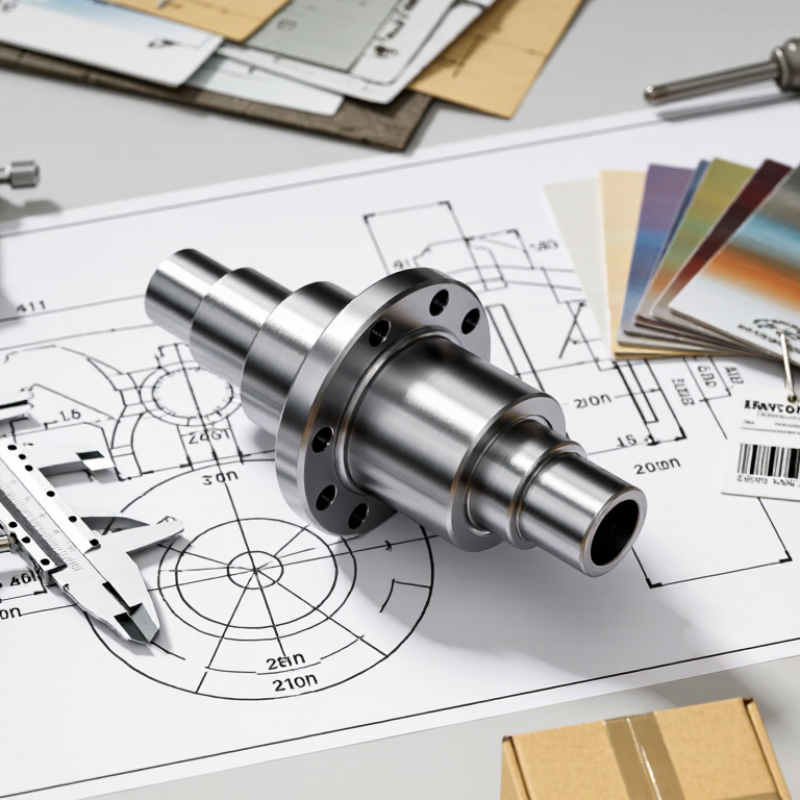
A useful evaluation starts with clear, verifiable information. Ask for material certificates, inspection records, and details about dimensional checks and heat-treatment controls. For a machined shaft, for example, confirm how the supplier measures diameter, checks surface finish, and protects the part from damage during packing. Request samples or production evidence where appropriate, and compare them with your drawings and acceptance criteria. Look closely.
Price and lead time still matter, but they tell only part of the story. A low quote may exclude testing, finishing, or packaging requirements. A polished presentation also cannot replace consistent records and clear answers. No manufacturer is automatically the best fit for every project. The honest choice depends on your alloy specification, order volume, quality needs, and communication expectations. Even careful reviews leave some uncertainty; real production can reveal issues that a sample does not. A practical guide can help buyers ask sharper questions, compare manufacturers fairly, and choose a supplier suited to the parts they actually need.
Alloy steel parts are components made from steel intentionally blended with elements such as chromium, nickel, molybdenum, or vanadium. These additions can improve strength, hardenability, wear resistance, or performance at elevated temperatures. The exact result depends on composition and heat treatment. A machined shaft, gear, or valve stem may look ordinary, but its performance can hinge on controlled chemistry and a properly hardened surface.
World Steel Association’s World Steel in Figures 2024 reports global crude steel production of 1,892.2 million tonnes in 2023. That figure describes all crude steel, not alloy steel alone; it shows the scale of the wider supply chain, rather than the share used for alloy parts. For buyers, material certificates and traceable test results help confirm the specified grade. Still, a certificate cannot replace checking whether the part’s design, heat treatment, and working conditions match.
Tips: Ask for the alloy grade, heat-treatment condition, and inspection records. Consider corrosion exposure too; “stronger” does not always mean “more suitable.” A missed detail here can become costly.
Manufacturing alloy steel parts in China usually begins with a drawing review and material selection. Engineers check the required strength, operating temperature, dimensions, and tolerances before choosing a steel grade. A forged blank may suit a heavily loaded shaft, while a machined bar can work for simpler components. Small changes matter. Supplier certificates help identify the material, but they should match the actual production batch.
After cutting or forging, parts are shaped with turning, milling, drilling, or other machining processes. Heat treatment, often quenching and tempering, can improve strength and hardness, though results depend on the alloy and section thickness. The parts are then inspected for dimensions and surface defects. Hardness tests and, when specified, ultrasonic or magnetic-particle testing provide further checks. Keep records. A clear inspection plan makes problems easier to trace, but it cannot fix an unclear drawing. Buyers should confirm tolerances, sampling rules, and test reports before production starts. It is easy to focus on price and overlook how small process changes may affect consistency.
High-quality alloy steel parts begin with controlled chemistry, not a vague “high-strength” claim. SAE J404 lists 4140 steel at 0.38–0.43% carbon, 0.80–1.10% chromium, and 0.15–0.25% molybdenum. These ranges support hardenability and strength, but only when melting and heat treatment are controlled. A certificate should match the actual heat number and report measured chemistry. Paperwork alone is not proof.
Mechanical properties need equally clear evidence. ASTM E8/E8M describes tensile testing, while ASTM E18 covers Rockwell hardness testing. Ask for yield strength, tensile strength, hardness, and test conditions—not just one impressive figure. Heat treatment and section size can change results substantially. Numbers matter. For a shaft, for example, hardness near the surface does not confirm that its core has adequate toughness.
Toughness, fatigue resistance, and dimensional stability matter in service, too. ASTM E23 provides a method for Charpy impact testing; the reported temperature and specimen direction should be stated. Inspectors should also check inclusions, cracks, decarburization, and dimensions against the drawing. I would not treat a single test coupon as a perfect picture of every part. Sampling limits remain, so traceability and a documented inspection plan are essential.
| Property or Material | Typical Values or Specification | Why It Matters | How to Verify Quality | Common Applications |
|---|---|---|---|---|
| 42CrMo4 / AISI 4140 alloy steel | Quenched and tempered; commonly supplied around 28–32 HRC, with tensile strength often approximately 900–1,100 MPa. Actual values depend on section size and tempering condition. | Offers a useful balance of strength, toughness, hardenability, and machinability for loaded components. | Check the material certificate, heat-treatment record, hardness readings, and tensile-test results against the specified condition and standard. | Shafts, gears, connecting components, bolts, and machine parts. |
| 34CrNiMo6 / AISI 4340-type steel | Quenched and tempered; strength and hardness vary substantially with tempering. High-strength conditions may reach roughly 1,000–1,400 MPa tensile strength. | Nickel, chromium, and molybdenum support hardenability and toughness in demanding, heavily loaded parts. | Confirm the specified grade, heat-treatment condition, tensile properties, hardness, and—where required—impact-test results. | Heavy-duty shafts, high-strength fasteners, landing-gear components, and large machinery parts. |
| 20MnCr5 / 16MnCr5 case-hardening steel | After carburizing and hardening, the surface is commonly about 58–62 HRC; the core is intentionally softer and tougher. Case depth is specified for the part and process. | A hard, wear-resistant surface combined with a tougher core helps gears and similar parts resist surface wear and impact. | Measure surface hardness and effective case depth; inspect the core condition and verify the carburizing and quenching records. | Gears, pinions, splined shafts, and other components requiring a hardened wear surface. |
| 100Cr6 / AISI 52100 bearing steel | Hardened bearing components commonly reach approximately 60–66 HRC. Cleanliness, carbide distribution, and heat treatment are critical. | High hardness and suitable microstructure support rolling-contact fatigue resistance and dimensional stability. | Review hardness and metallographic results; for critical bearings, specify cleanliness and inclusion-control requirements. | Rolling-element bearings, races, and precision wear components. |
| Hardness and hardness uniformity | Specified by grade, heat treatment, part geometry, and service conditions; no single hardness value suits every alloy steel part. | Hardness affects wear resistance and strength, while excessive hardness can reduce toughness or increase cracking risk. | Use calibrated Rockwell, Brinell, or Vickers testing as appropriate; take measurements at defined locations and depths. | Alloy steel parts subject to wear, contact stress, or repeated loading. |
| Toughness and impact resistance | Specified using an agreed test method, temperature, and minimum acceptance value; results depend on material condition and orientation. | Helps a part resist fracture under shock, notches, low temperatures, or fluctuating loads. | Request Charpy impact results when relevant and verify that specimen orientation and test temperature match the specification. | Drive components, pressure-loaded parts, heavy equipment, and safety-critical components. |
| Dimensional accuracy and surface finish | Tolerances and roughness should be defined on the engineering drawing; achievable values depend on geometry and manufacturing process. | Correct dimensions and finish support fit, assembly, sealing, and fatigue performance. | Check inspection reports, calibrated gauges or coordinate-measuring results, and surface-roughness measurements against drawing requirements. | Precision shafts, gears, bearing seats, hydraulic parts, and fitted assemblies. |
| Material traceability and process control | Heat or batch identification should link the part to its material certificate and relevant manufacturing and heat-treatment records. | Traceability makes it possible to confirm composition, processing history, and compliance with the purchase specification. | Review material test certificates, batch identification, inspection records, and documented nonconformance controls. | Parts requiring documented quality assurance or controlled production. |
| Data note: The property figures shown are typical indicative ranges, not guaranteed values. Actual results vary with the applicable material standard, product size, heat treatment, sampling location, and test method. Confirm acceptance limits in the part drawing or purchase specification. | ||||

China Best Alloy Steel Parts Manufacturer?
How to Evaluate an Alloy Steel Parts Manufacturer in China
China produced 1,019.1 million tonnes of crude steel in 2023, according to the World Steel Association’s World Steel in Figures 2024. That scale provides useful context, but it does not prove finished-part quality. Ask whether each part can be traced to its alloy grade, heat number, and heat-treatment record. Request chemistry, hardness, tensile, and dimensional inspection results for the same production lot. Small details matter.
During a factory review, check how workers measure critical dimensions and how often instruments are calibrated. Ask to see actual inspection records, not only a presentation. For complex parts, confirm that testing methods and acceptance criteria match the drawing and purchase specification. A polished brochure is not proof. I would not judge a supplier by one successful sample alone; repeatability across production runs matters, and records can still leave questions.
Tips: Match a sample report’s heat number to the part marking. Check tolerances against the drawing, not by eye. If records are incomplete, pause before approving production.
Suggested evaluation weights for comparing manufacturers—not market survey data or a ranking of companies.
Prioritize material traceability, manufacturing capability, and inspection evidence. Request relevant material certificates, process records, and sample inspection reports; verify that any quality certifications are current and apply to the facility and processes involved.
China-made alloy steel parts serve industries where strength, wear resistance, and dependable performance matter. Mining equipment uses shafts, pins, gears, and wear components exposed to abrasive dust and repeated impact. Construction machinery relies on alloy steel parts in joints, axles, and hydraulic systems. Fit matters.
Automotive and agricultural equipment makers use these parts in transmission gears, drive shafts, and load-bearing fasteners. In energy and industrial processing, alloy steel components may appear in pumps, valves, compressors, and heavy-duty machinery. The right grade depends on load, temperature, corrosion exposure, and manufacturing route. Heat treatment and dimensional inspection matter as much as the alloy designation. A strong part can still fail if tolerances are poor or service conditions are misjudged. This is easy to overlook.
Tips: Share drawings, operating loads, target hardness, and expected service life with the supplier. Request material certificates and inspection records, then check critical dimensions on initial samples. If conditions are uncertain, test a small batch first. Not every application needs the hardest grade; excessive hardness can reduce toughness.