China Best CNC Nesting Machine for Sale?
Choosing the China best Cnc Nesting Machine for sale requires more than comparing prices online. A suitable Cnc Nesting Machine should match your materials, production volume, workshop space, and finishing standards. Cabinet makers may need clean sheet optimization and reliable automatic tool changes. Sign manufacturers may prioritize spindle power, vacuum strength, and flexible cutting options.
Real evaluation begins with practical evidence. Ask suppliers for cutting samples using your actual plywood, MDF, or laminate sheets. Watch the machine complete a full nesting cycle, including tool changes and waste removal. Check the frame’s welding quality, guide rails, servo motors, vacuum zones, and control system. Small details matter. A loose cable chain can become an expensive interruption.
Supplier credibility deserves equal attention. Review factory experience, export records, technical certifications, warranty terms, and spare-parts availability. Request a clear quotation that separates the machine, software, installation, training, and shipping. Confirm whether remote support responds during your working hours. Better still, speak with existing users operating similar materials. Marketing claims can sound impressive, but production footage and measurable results are more useful.
No machine is perfect. I would not choose the lowest offer without testing accuracy and after-sales support. A cheaper spindle may increase maintenance costs later. This guide will compare leading Chinese options through performance, configuration, service, and value. Some conclusions may change after hands-on testing, because real workshop conditions often expose weaknesses that brochures hide. The goal is a dependable investment, not merely an attractive specification sheet.
What Is a CNC Nesting Machine?
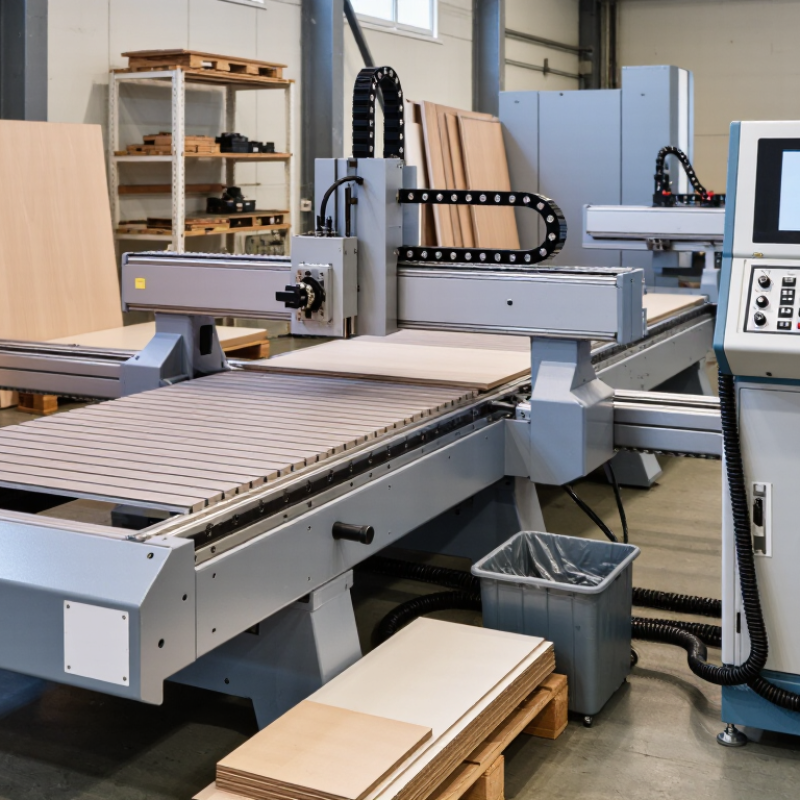
A CNC nesting machine is a computer-controlled cutting system for sheet materials. It uses design software to arrange multiple parts on one board. This arrangement is called nesting. The machine then cuts the shapes with a router, drill, or similar cutting tool. Operators commonly process plywood, MDF, particleboard, and laminated panels.
In a working shop, the process begins with a CAD drawing. The software places cabinet sides, shelves, and doors close together. Less empty space usually means lower material waste. A vacuum table holds the board flat during cutting. Dust extraction keeps the cutting area clearer and protects moving components. The operator still checks tool sharpness, cutting depth, and board position. Small errors can produce expensive panels.
A reliable CNC nesting machine should match your daily workload. Check its table size, spindle power, positioning accuracy, software compatibility, and service support. A larger spindle is not always better. It may consume more energy and require stronger dust collection. I may be too cautious, but operator training matters as much as specifications. Poor file setup can ruin a full sheet in minutes. Test cuts reveal problems early. Listen for unusual vibration. Measure the first finished part. These simple habits often protect both production quality and material costs.
How Does CNC Nesting Technology Work?
CNC nesting technology helps a machine cut many panel parts from one large sheet. It combines digital design, cutting paths, and automated positioning. The operator imports CAD drawings into nesting software. The software arranges shapes closely, while leaving enough space for the cutting tool. This reduces material waste and shortens production time.
The machine then reads the toolpath and moves along programmed X, Y, and Z axes. A vacuum table holds the sheet firmly during routing. Sensors and calibrated tools improve cutting accuracy. The spindle removes material layer by layer, creating cabinet sides, doors, shelves, or irregular parts. In practical workshop use, clean tool selection matters greatly. A dull cutter can leave rough edges, burn marks, or incorrect dimensions. Small errors become obvious during assembly.
Tips: Check the sheet size, thickness, and surface condition before cutting. Confirm the cutting depth with a test piece. Keep the toolpath outside finished edges when possible. Inspect the first panel carefully. Not every nesting plan is perfect; grain direction, damaged corners, and manual loading can affect results. Operators should review the software layout instead of trusting automation blindly. Safety guards, dust extraction, and routine calibration also support reliable daily production.
How to Choose the Best CNC Nesting Machine in China?
Choosing the best CNC nesting machine in China requires more than comparing prices. Your panel size, material types, production volume, and workshop space should guide the specification. A machine for cabinet doors may not suit thick hardwood or compact batch work.
Check the spindle power, cutting speed, vacuum table, tool-changing system, and dust extraction design. Ask for a real cutting test using your own board samples. Watch the edges, corners, drilling accuracy, and unloading process. Small errors become expensive during continuous production. Software compatibility matters too. Confirm whether the control system supports your design files and nesting workflow.
Inspect the manufacturer’s technical records, quality controls, installation process, and spare-parts policy. Request clear warranty terms and response times. A low quotation can hide training fees, weak remote support, or difficult maintenance. Ask for references from factories with similar workloads. Visit the facility if possible. Look closely at assembly details, cable protection, lubrication points, and safety guards.
Do not trust polished videos alone.
I once treated cutting speed as the main priority. That was incomplete. Stable accuracy and simple maintenance often protect output better. Suppliers should explain limitations honestly, including suitable materials and recommended operating hours. Compare total ownership costs over several years, not only the purchase price. A dependable machine should fit your workflow, operators, budget, and future expansion plans.
What Should Buyers Know Before Purchasing a CNC Nesting Machine?
China Best CNC Nesting Machine for Sale?
Before purchasing a CNC nesting machine, buyers should examine production needs rather than chase the lowest price. Grand View Research estimates that the global CNC machine market may grow at an 8.5% compound annual rate through 2030. This growth reflects stronger demand for automated cutting, but not every machine suits every workshop.
Measure your largest sheet first. A 1,220 × 2,440 mm working area may suit standard panels, while oversized furniture requires more travel. Check spindle power, tool-changing speed, vacuum zones, and dust extraction performance. A weak vacuum can leave panels shifting during cutting. That creates waste, noise, and rework.
Software compatibility matters equally. Confirm nesting accuracy, file formats, post-processor support, and operator training. The International Federation of Robotics reported continued investment in industrial automation in its World Robotics 2024 report. However, automation still depends on skilled setup. This point is often underestimated.
Tips: Request a live cutting test using your own board material. Ask for measured cycle time, edge quality, dust levels, and electrical consumption. Review spare-part availability and response times in writing. Calculate five-year ownership costs, including tooling, maintenance, software, and training. Do not trust impressive demonstrations alone. Real production is less tidy.
China Best CNC Nesting Machine for Sale? What Should Buyers Know Before Purchasing?
Selecting the correct working area is one of the most important purchasing decisions. The chart compares common nominal panel formats used in furniture, cabinetry, and interior manufacturing. Buyers should choose a usable cutting area that accommodates the panel size, tooling clearance, vacuum zones, and loading method.
Dimensions are shown in millimeters and represent common nominal sheet formats. Actual material sizes vary by market and supplier, so confirm the required sheet dimensions before ordering a CNC nesting machine.