



What Is the Best Type of Cold Room in 2026?

In 2026, the best Cold Room is not automatically the largest or most advanced model. The right choice depends on what you store, how often staff open the door, and the temperature range your operation needs. A café holding milk and produce has different demands from a florist or a food distributor. Details matter. Start with the daily workload, not the catalogue photograph.

Walk-in rooms suit businesses that need regular access and flexible storage. Modular panels can make installation and future expansion easier, while a compact unit may fit a small kitchen with limited floor space. For larger facilities, a purpose-designed room can support separate temperature zones and higher product volumes. Each option has trade-offs. Door placement, insulation thickness, floor construction, and refrigeration capacity all affect performance. A room that looks spacious when empty may become awkward once shelving, stock, and staff are inside.

A dependable comparison should include measured room dimensions, expected product loads, delivery schedules, and the surrounding climate. Ask suppliers for equipment specifications, estimated energy use, warranty details, and a clear maintenance plan. Check that the proposed system can recover temperature after routine door openings, rather than relying on a headline cooling figure alone. A qualified refrigeration professional can review the site and verify whether the design matches real operating conditions. Even a careful estimate can miss a busy afternoon or an unexpected delivery. That is worth admitting. The best type of Cold Room is the one that keeps products within their required range, fits the available space, and remains practical to clean and maintain over time.

What Is the Best Type of Cold Room in 2026?

What Defines a Cold Room and Its Main Functions

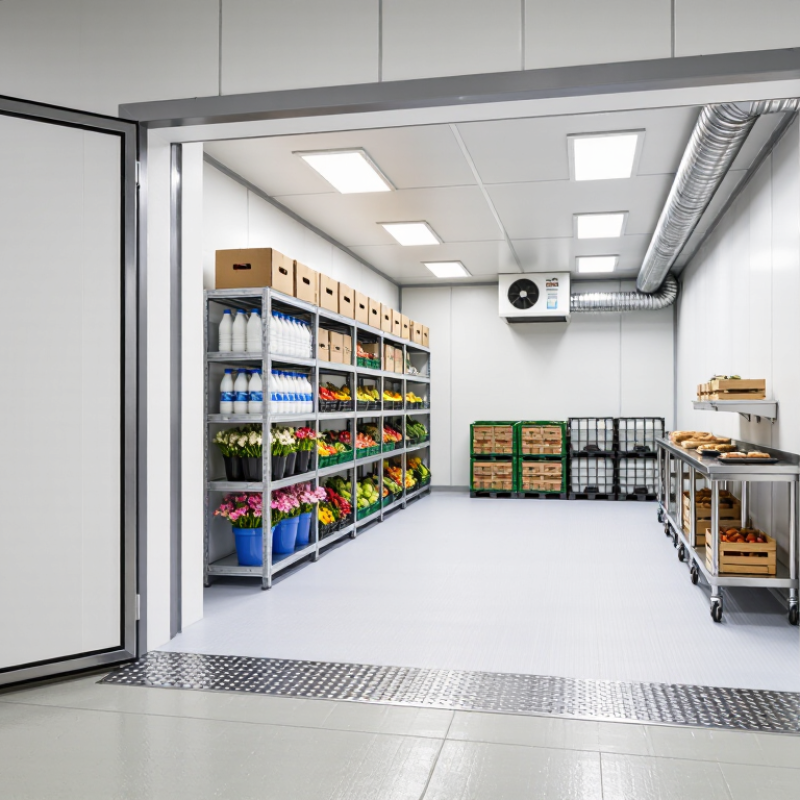
A cold room is an insulated, temperature-controlled space designed to keep goods within a chosen temperature range. Unlike a household refrigerator, it can accommodate pallets, racks, or frequent staff access. Its main function is to slow spoilage and protect product quality during storage. The right temperature depends on what is stored; fresh produce, dairy, and frozen foods do not share the same needs. Humidity and airflow matter too. A room that is cold but poorly ventilated can develop warm pockets or dry out sensitive produce. Keep it stable.

Cold rooms also support organized handling. Clear aisles, washable surfaces, and suitable shelving help staff move stock and clean the space. Temperature sensors and regular readings can reveal changes before products are affected. Door seals and insulation reduce heat entering from outside, while correctly sized cooling equipment helps maintain the set point during busy periods. In practice, frequent door openings may still cause short fluctuations. No design is perfect. Operators should consider the room’s load, local conditions, and cleaning routine before choosing a configuration. A small measurement error can be easy to overlook, so calibration deserves attention.

How Cold Rooms Are Classified by Temperature and Purpose

What Is the Best Type of Cold Room in 2026?

The best cold room depends on what you store, how often it is accessed, and the temperature the product requires. Temperature is a useful starting point, but purpose matters just as much. A room for fresh produce has different airflow needs from one holding frozen meals. Door openings, room size, insulation, and local operating conditions also affect performance.

Chilled rooms commonly operate around 0°C to 5°C, while freezer rooms often maintain -18°C or colder. Exact settings should follow product requirements and qualified technical guidance. Blast-freezing rooms use much lower temperatures to cool products quickly; they are not simply colder storage rooms. Purpose-based designs may serve food preparation, pharmaceutical storage, floral handling, or general chilled stock. These categories can overlap. A room designed for one use may perform poorly when repurposed without checking its capacity and controls.

Tips: List the products, target temperatures, and busiest loading times before choosing a layout. Check temperature readings at several points, especially near doors and corners. Keep a simple log. Small details matter. A thermometer placed in the wrong spot can create false confidence, and I’d review the readings after changing shelving or stock levels.

Which Cold Room Types Are Available in 2026

What Is the Best Type of Cold Room in 2026?

Which Cold Room Types Are Available in 2026

Cold rooms in 2026 generally fall into several practical types. Walk-in chillers keep fresh goods above freezing, while freezer rooms maintain subzero temperatures for longer storage. Modular panel rooms suit sites needing quick installation or future changes. Custom-built rooms can fit awkward layouts, though they often require more planning. For rapid product cooling, blast chillers and blast freezers pull heat from goods faster than standard storage rooms. Controlled-atmosphere rooms also manage gases such as oxygen and carbon dioxide, often for produce.

The right choice depends on the product, loading pattern, and required temperature stability. UNEP’s 2023 Global Cooling Watch report projects that cooling demand could more than triple by 2050 under current trends. That wider demand makes efficient design important, but the best room is still the one matched to daily operations. A dual-temperature room may sound flexible, yet frequent door openings can make temperature control harder. Small details matter: door seals, panel joints, drainage, and sensor placement.

Tip: Measure the largest trolley and doorway before choosing a layout. Keep chilled and frozen stock separate where practical, and place temperature sensors near the product zone—not only beside the evaporator. A room can meet its set point and still be awkward to work in. That part is easy to overlook.

How Cold Room Performance and Operating Costs Compare

A cold room’s purchase price tells only part of its cost. The key comparison is energy use across its actual workload: stored volume, door openings, product temperature, and daily pull-down needs. A small insulated room may suit steady storage, while a blast-chilling room handles fast cooling but demands greater refrigeration capacity. That difference matters.

The International Institute of Refrigeration’s 2023 report estimates that refrigeration uses about 20% of global electricity. This figure covers refrigeration broadly, not cold rooms alone, but it shows why efficiency deserves close attention. Compare options using measured electricity use, temperature recovery after door openings, and usable storage capacity. A room that reaches its setpoint quickly may still cost more if it runs hard all day. Small rooms can surprise.

Before choosing, log the existing room’s energy use for a representative week, including busy periods. Then compare quotes using the same assumptions for operating hours, setpoint, and product load. Check insulation thickness, door seals, lighting, fan controls, and maintenance access; small details affect heat entering the room. The U.S. Department of Energy’s refrigeration guidance also emphasizes system maintenance and control improvements as practical efficiency measures. I would not treat any quoted savings as guaranteed: local climate, loading habits, and installation quality can change the result. A simple meter reading often reveals what a brochure misses.

What Is the Best Type of Cold Room in 2026? - How Cold Room Performance and Operating Costs Compare

Cold Room Type Typical Setpoint Best Suited For Temperature Performance Indicative Annual Electricity Use Indicative Annual Energy Cost Main Advantages Key Limitations
Walk-in chiller About 0°C to 5°C Fresh produce, dairy, drinks, and other chilled goods that should not be frozen. Maintains chilled storage temperatures when correctly sized, insulated, and used. Product temperature recovery depends on the refrigeration system and door activity. Planning scenario: approximately 4,000–8,000 kWh About $600–$1,200 at $0.15 per kWh Lower energy demand than a comparable freezer in many applications; suitable for frequent picking and access. Not suitable for long-term frozen storage. Frequent door openings, warm product loading, and poor seals can increase energy use.
Walk-in freezer About −18°C to −20°C Frozen food and other products requiring frozen storage. Designed to hold sub-zero storage temperatures. Defrosting, door management, and correct evaporator airflow are important to reliable operation. Planning scenario: approximately 8,000–15,000 kWh About $1,200–$2,250 at $0.15 per kWh Provides frozen storage and helps maintain product quality when temperature is kept stable. Typically requires more energy than chilled storage because it operates at a lower temperature. Frost build-up and door heat gain can affect performance.
Dual-temperature cold room Separate zones, commonly around 0°C to 5°C and −18°C to −20°C Sites that need chilled and frozen storage but have limited floor space. Performance depends on the design: independent insulated zones and properly selected refrigeration equipment help each area maintain its own setpoint. Planning scenario: approximately 6,000–12,000 kWh About $900–$1,800 at $0.15 per kWh Combines two storage temperatures in one installation and can reduce the need for separate room footprints. More complex to design and operate. Poor partitioning or unsuitable equipment can compromise temperature control and efficiency.

How to interpret the cost figures: These are illustrative planning estimates, not measured industry averages or guaranteed bills. They assume a roughly 20 m³ room, an ambient temperature near 30°C, around 10 door openings per day, and electricity priced at $0.15/kWh. Costs are calculated as annual kWh multiplied by the assumed electricity price. Actual consumption varies with insulation, room layout, equipment efficiency, product loading, climate, maintenance, and operating practices. For a reliable comparison, use a site-specific refrigeration load calculation and local electricity tariffs. A blast chiller is a separate process appliance; its energy use is better compared per chilling cycle or per kilogram of product rather than as a storage-room type.

How to Match a Cold Room Type to Your Requirements

Choosing a cold room starts with the product, not the room shape. Fresh produce, dairy, and frozen goods need different temperature ranges and humidity control. A chilled walk-in room may suit daily stock access, while a freezer room needs thicker insulated panels and a suitable floor. For rapid pull-down after cooking, a blast-chill room may be more appropriate than a standard cold store. Check the product’s required holding temperature with a qualified refrigeration specialist.

Then map the room to the work. Measure the site, including doorways, ceiling height, and space for service access. Estimate peak stock, trolley width, and how often staff enter. Frequent door openings can raise temperatures, so a fast-closing door or an air curtain may help. Small detail. A room that fits the building can still obstruct the busiest route. Consider floor loading, drainage, cleaning routines, and the heat entering from nearby ovens or sunlit walls.

Ask for a design based on actual heat load, not just room dimensions. The calculation should account for products entering warm, people, lighting, equipment, and local ambient conditions. A modular panel room can be practical when installation speed or future relocation matters; a custom-built room may better use an awkward footprint. Monitoring alarms and clear temperature records support routine checks, but they do not replace maintenance. One detail is easy to miss: staff may prop the door open during deliveries. Plan around real habits, then review the layout after use.

Choosing a Cold Room: Typical Temperature Ranges

Match the room to the product and process. The ranges below are typical planning examples—not universal setpoints. Confirm requirements for the specific product, local regulations, and storage duration.

Produce needs vary by crop, and blast-freezer air temperature is used for rapid freezing rather than ordinary long-term storage.

Cart Summary

Subtotal: $0