10 Best Race Bikes to Buy in 2026

A fast road bike is not defined by a single frame shape or a dramatic weight claim. Fit, handling, gearing, wheel choice, and braking all influence how it performs on real roads. For this guide to the 10 best Race Bike options to buy in 2026, those details matter as much as brand reputation. A bike that feels composed on a wet descent may suit one rider better than a lighter, sharper model.

Participation data helps explain why the category deserves careful attention. PeopleForBikes’ 2024 U.S. Bicycling Participation Report counted 112 million Americans riding a bicycle in 2023. That figure describes cycling broadly, not race-bike sales, so it should not be mistaken for a market forecast. Strava’s 2024 Year in Sport report offers another useful view, drawing on activity recorded by its members. Such data can reveal changing riding habits, but it cannot tell every buyer which bike will fit.

That is personal.

The selections ahead focus on practical performance: fit options, frame construction, reliable components, and value for the intended use. Prices and specifications can change by market and model year, so verify them with the manufacturer or an authorized retailer before buying. A race bike may feel thrilling on a smooth climb, yet demanding on rough pavement. That trade-off is easy to overlook. The right choice should match your roads, experience, and budget—not just a lab number or a glossy photo.

10 Best Race Bikes to Buy in 2026

What Defines a Modern Race Bike in 2026

A modern race bike is not simply the lightest frame on the start line. The UCI’s 2025 technical regulations set a 6.8-kilogram minimum for road-race bicycles. That figure is a floor, not a sensible build target for every rider. Fast handling, reliable braking, and a position you can hold matter more on a long, rough stage. Fit matters more.

Aerodynamics now shapes frame tubes, wheel depth, cable routing, and even how riders store small tools. Cycling performance research commonly estimates that air resistance accounts for about 80 percent of the resistance at 40 km/h on level ground. The exact share changes with wind, posture, and road surface, so a wind-tunnel number alone can mislead. A narrow handlebar may reduce drag, yet feel cramped after several hours. I may be overvaluing aero gains here; comfort can decide whether a rider keeps that position.

Electronic shifting and disc brakes are familiar race-bike features, but integration should not make routine service difficult. Look for tire clearance that suits the roads you actually ride, stable steering on descents, and gearing that supports steep climbs. The 6.8-kilogram rule says little about those everyday trade-offs. A modern race bike is a system, not a weight figure.

How to Evaluate Race Bikes Across Key Performance Factors

Race-bike comparisons start with fit, not a scale reading. During a test ride, check whether your shoulders stay relaxed and your hands remain steady on the hoods. An aggressive position can feel quick for ten minutes, then costly over a long climb. Fit matters most.

Frame stiffness, weight, and aerodynamics interact, so no single number tells the whole story. On rolling roads, a responsive bike should accelerate cleanly without feeling nervous in crosswinds. Notice how it tracks through a fast corner and whether braking stays predictable on rough pavement. Those details are easier to judge on familiar roads than in a brief showroom spin. Still, test conditions vary.

Compare gearing with the hills you actually ride. An overly tall setup may look fast, yet leave your legs grinding when gradients steepen. Check tire clearance, wheel stability, and service access, too. These practical choices affect confidence and time off the road. Weight claims deserve caution: pedals, bottles, and fit adjustments can change the final figure. It is easy to overvalue a lighter build; road feel may prove harsher than expected.

The 10 Best Race Bikes to Buy in 2026

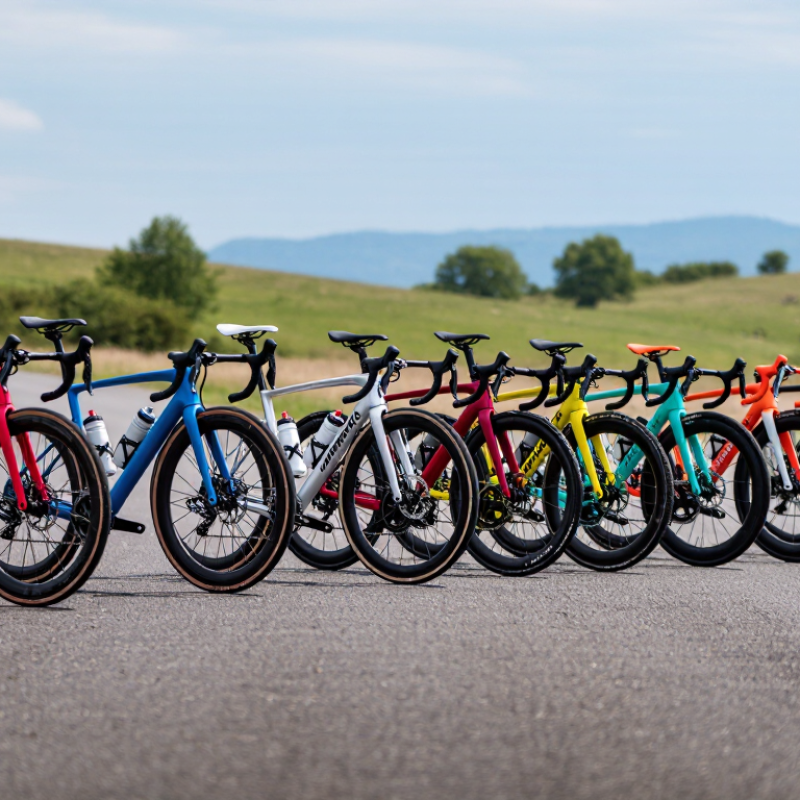
Choosing among the 10 best race bikes to buy in 2026 starts with your course, fit, and budget. Consider an all-round carbon racer, an aero road bike, or a lightweight climbing frame. An endurance racer may suit rough roads and long events. An alloy race bike can offer a practical entry point, while an affordable carbon build balances weight and cost. Specialized options include a time-trial bike, a track bike, a gravel racer, and a custom-fit race build. These are useful categories, not a universal ranking; the fastest choice depends on the rider.

Tips: Check your reach and saddle position before comparing weight. Look at tire clearance, gearing, braking, and local service support. A short test ride can reveal pressure points a specification sheet cannot.

Ask a qualified bike fitter or mechanic to assess the frame size and setup. Confirm the bike’s current components and fit options with the seller, since specifications can change between builds. On a quiet test loop, notice how it handles tight turns and rough pavement. I would not buy on claimed speed alone. Even a refined race bike can feel wrong after an hour, and that is worth admitting before spending heavily.

How the Top Race Bikes Compare by Riding Style and Use

Race bikes in 2026 suit different roads, riders, and priorities. Aero-focused designs feel steady at speed on flat courses, but can seem demanding on steep climbs. Lightweight bikes respond quickly when the road tilts upward. Their lower mass is appealing, though a very light setup may feel less settled in crosswinds. All-round race bikes balance these traits for varied routes. For long events, a slightly more forgiving frame and room for wider tires can reduce fatigue over rough pavement. Small differences matter.

Tips: Match the bike to your usual rides, not just race-day dreams. Check your fit with a qualified professional, then test the bike on familiar roads. Pay attention to hand pressure, steering, and how easily you hold your preferred pace. A short parking-lot spin tells you little. Also compare gearing: compact options can make repeated climbs less punishing, while taller gears may suit fast, flat courses.

Before choosing among the top race-bike styles, consider where you actually ride and how often you race. Narrow tires may feel quick on smooth asphalt, yet rough roads can make them tiring. I once assumed the most aggressive position meant faster riding; it mostly made long rides uncomfortable. That judgment may not fit everyone. Comfort, handling, and reliable control deserve a place beside weight and speed.

10 Race Bike Designs Compared for 2026

How common race-bike profiles suit different riding styles and terrain.

Scores are illustrative editorial fit ratings from 1 (lower suitability) to 5 (higher suitability), not measured test results. They summarize typical design trade-offs: aerodynamic frames prioritize speed on flat roads, lightweight builds favor climbing, and endurance-oriented designs generally offer more comfort on rough surfaces. Actual performance varies by frame, components, fit, and rider.

How to Choose the Right Race Bike for Your Needs

Choosing a race bike starts with the races you actually ride, not the fastest-looking specification sheet. Road events with steep climbs reward low weight and a wide gear range. Flat, fast courses place more value on aerodynamic positioning and stable handling. For mixed surfaces, check tire clearance before anything else. A few extra millimeters can make rough roads less punishing.

Fit should come before frame material. A bike that feels stretched in the shop may become uncomfortable after two hours, even if its components are excellent. Test-ride several sizes, and notice whether you can hold the drops without straining your neck or wrists. Fit matters most. Carbon can feel lively, while aluminum may offer strong value; neither automatically makes a bike right for you. Compare braking control, gearing, wheel depth, and the cost of replacement parts. Small detail, big difference. A very deep wheel can feel unsettled in gusty crosswinds, so consider where you ride. Specs can mislead. They do not show how a bike responds on your local roads. Set a realistic budget, leave room for pedals and a proper fit, and ask a qualified mechanic to check your position. Perfect certainty is unlikely; a short test ride may not reveal every compromise.

10 Best Race Bikes to Buy in 2026 — How to Choose the Right Race Bike for Your Needs

A practical, brand-neutral guide to choosing a race-bike style. The tire widths below are common starting points, not guaranteed clearances; always check the frame, fork, wheel, and event rules before buying.

Race-bike type Best suited to Typical setup What to prioritize Potential trade-off
1. Lightweight climbing road bike Riders who regularly tackle long, steep climbs and value responsive handling. Drop bars; road gearing with a wide enough low range for local gradients; commonly 25–30 mm road tires, subject to frame clearance. Low overall weight, climbing gears, stable handling on descents, and a comfortable position you can hold for the full ride. Some designs give up aerodynamic features or tire clearance to reduce weight.
2. Aero road bike Fast group rides, flatter races, and riders who spend substantial time riding at speed. Aerodynamically shaped frame and components; road gearing; commonly 25–30 mm road tires where the frame permits. Fit, handling in crosswinds, practical gearing, and whether the aerodynamic position is sustainable. Can be heavier or less adaptable than a simpler all-round road design; aero gains depend on rider position and conditions.
3. All-round road race bike Riders seeking one road bike for varied courses, training, and amateur road racing. Balanced frame design, drop bars, a broad road gear range, and tires selected to match the frame’s approved clearance. Well-fitting geometry, predictable handling, serviceable components, and enough gearing for both climbs and fast sections. It may not be as specialized as a dedicated climbing, aero, or time-trial bike.
4. Fast endurance road bike Long-distance riders who want a road-focused bike with a less aggressive position than many race frames. More comfort-oriented geometry; commonly 28–35 mm road tires if supported by the frame and fork. Reach and handlebar position, tire clearance, vibration comfort, and gearing for long days or hilly routes. May feel less immediate than a race-focused frame during short, highly tactical efforts.
5. Criterium-focused road bike Short, fast circuit races with frequent accelerations and tight turns. Responsive road setup with close attention to wheel and tire compatibility; gearing suited to the circuit and rider strength. Confident cornering, reliable braking, secure handling under acceleration, and a position that allows quick changes of pace. A very aggressive fit may be uncomfortable for everyday or long-distance riding.
6. Time-trial bike Solo efforts against the clock on courses where the event permits a time-trial setup. Aerobar cockpit and a position designed to reduce frontal area; gearing and wheels selected for the course. Professional bike fit, ability to hold the aero position, safe control, and compliance with the event’s equipment rules. Less suitable for general group riding; handling and braking controls differ from a standard road bike.
7. Non-drafting triathlon bike Triathlon events that allow a dedicated aerodynamic position and non-drafting equipment. Triathlon-specific cockpit and fit; gearing and storage options chosen for the course and event regulations. A sustainable aero position, fit that works with the rider’s race plan, and compatibility with hydration and nutrition needs. Not appropriate for every road race or drafting event; confirm the competition’s rules before purchase.
8. Track bike Velodrome racing and track training on a suitable track. Fixed gear with no freewheel; no conventional road-style gear shifting. Use only on a track or in settings where the bike is permitted. Correct frame fit, suitable fixed gearing, secure components, and compliance with venue and event requirements. It is not a general-purpose road bike and requires fixed-gear riding skills.
9. Alloy-frame race bike New racers and budget-conscious riders who want a performance-oriented road setup. Aluminum-alloy frame; component level and tire width vary by model. Check whether the build includes the gearing and brakes you need. Fit and fork quality first, then dependable shifting, braking, wheel durability, and an upgrade path that suits your budget. Ride feel and equipment may differ from higher-priced builds; material alone does not determine a bike’s performance.
10. Race-ready gravel bike Gravel events and mixed-surface racing where a drop-bar bike and wider tires are appropriate. Drop bars, off-road-capable gearing, and typically wider tires—often around 35–45 mm when the frame and event allow. Verified tire clearance, low climbing gears, puncture protection, stable handling, and compatibility with the race surface. Wider tires and off-road geometry can be less efficient on smooth pavement than a road race setup.

Before buying: prioritize a professional fit, confirm real tire clearance with the intended wheels and tires, check local race regulations, and compare the complete bike’s gearing and components—not just its frame material or advertised category. Equipment rules vary by event; for example, the UCI has a 6.8 kg minimum weight for bikes in applicable events under its regulations.

Article Source:

Cart Summary

Subtotal: $0