What Is the Best Connector Hose Pipe in 2026?

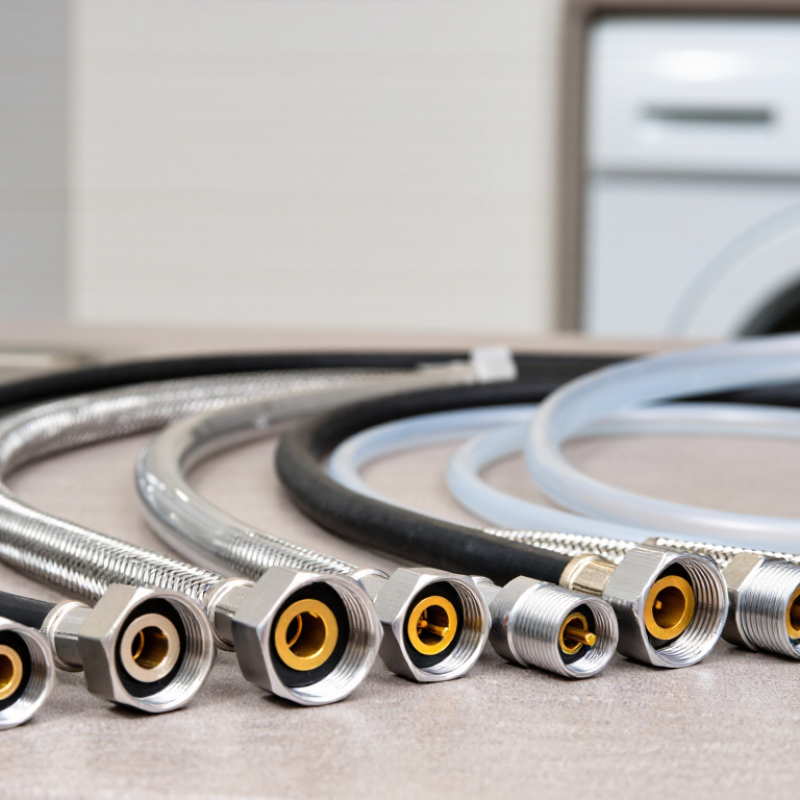
Choosing the best Connector Hose Pipe in 2026 depends on the job, not just the product label. A hose that works well beneath a kitchen sink may not suit a washing machine or outdoor tap. Connection size, length, pressure rating, temperature range, and material all matter. A mismatch can mean awkward bends, drips, or a fitting that simply will not connect.

Look closely at the details. Measure the available space, check both connection ends, and read the manufacturer’s specifications before buying. Stainless-steel braid, reinforced rubber, and flexible polymer each offer different benefits, but none is automatically best for every setup. A braided hose may resist surface wear, while a softer hose can be easier to position in a tight cabinet. Small details count. So does a clear warranty and accessible product information. When available, independent testing and credible customer feedback can help, though reviews are not a substitute for checking compatibility.

This guide compares the features that make a Connector Hose Pipe practical, dependable, and suitable for its intended use. It also considers installation requirements and signs of poor fit, such as twisting or strain at the connections. No single model suits everyone. Still, a careful choice can reduce avoidable leaks and replacement hassles. Some specifications may be harder to compare than they should be. That is worth keeping in mind. Use the recommendations as a starting point, then confirm measurements and requirements for your own appliance or plumbing setup.

What Is the Best Connector Hose Pipe in 2026?

Define Connector Hose Pipes by Fluid, Pressure, and Connection Type

What Is the Best Connector Hose Pipe in 2026?

A connector hose pipe is only suitable when its material matches the fluid, working pressure, and connection type. For drinking water, choose hose materials explicitly rated for potable-water use. For oil, coolant, or cleaning chemicals, check the manufacturer’s compatibility chart; similar-looking fluids can affect rubber differently. A mismatch may cause swelling, soft spots, or leaks. Small details matter.

Pressure ratings need context. Compare the hose’s rated working pressure with the system’s normal pressure, and account for temperature and pressure surges. A hose used near a pump may face brief spikes that a steady-pressure reading misses. Never treat burst pressure as a safe operating limit. Leave room for movement, too.

Connection ends must match the equipment, not just appear close in size. Check thread type, diameter, pitch, and whether the seal relies on a washer, cone, or O-ring. A fitting can start threading and still be wrong. That is easy to overlook. Measure the old connection where possible, then verify the hose’s temperature range and bend radius. In practice, routing can be less tidy than a diagram suggests, so avoid sharp bends and tension at the fittings. A careful match usually matters more than choosing the thickest hose.

What Is the Best Connector Hose Pipe in 2026? — Define Connector Hose Pipes by Fluid, Pressure, and Connection Type

There is no single best connector hose pipe for every application. Choose an assembly by matching the conveyed fluid, required working pressure, temperature, hose material, bore size, and end connection.

Application / Fluid Typical Hose Construction Pressure Guidance Common Connection Types Key Selection Checks Avoid / Caution
General water supply
Cold water and utility water
Reinforced PVC or rubber hose; select a potable-water-certified hose when drinking-water contact is required. Reinforced water hoses commonly fall around 6–10 bar working pressure, but the hose and fitting ratings determine the actual limit. Hose barbs with clamps; threaded adapters. Garden-hose threads such as GHT are distinct from BSP and NPT. Check bore, water temperature, potable-water approval, and whether the connection needs a washer or seal. Do not assume a garden hose is suitable for drinking water or hot-water service.
Compressed air
Workshop or pneumatic service
Reinforced rubber, PVC, or hybrid-polymer air hose, matched to the compressor and working environment. Many general-purpose air hoses are rated around 10–20 bar working pressure; verify the rating at the intended temperature. Quick couplers, threaded BSP or NPT adapters, and push-to-connect fittings for compatible tubing. Check working pressure, temperature, hose inside diameter, air-tool flow demand, and coupler compatibility. Never use a hose with a rating below the system pressure. Do not use an air hose for oxygen or breathing air unless specifically approved.
Hydraulic oil
Mobile or industrial hydraulic systems
Reinforced synthetic-rubber hydraulic hose; select the construction and cover for the system duty and environment. Pressure is highly size- and construction-dependent. For example, SAE 100R2AT ratings vary substantially by hose size; use the marked working-pressure rating of the complete assembly. Crimped JIC 37° (SAE J514), ORFS, BSP, or NPT fittings, as specified by the equipment. Match the hose standard, bore, pressure spikes, temperature, oil compatibility, bend radius, and fitting series. Do not mix visually similar thread or seat types. Never exceed the lowest-rated component in the assembly.
Diesel or gasoline transfer
Low-pressure fuel service
Fuel-rated hose with a compatible inner tube, commonly a specified NBR-based construction, and suitable reinforcement. Low-pressure transfer hoses may be rated in the approximate 3–10 bar range, depending on design. Use the hose maker’s stated working pressure. Fuel-rated barbed or threaded ends with the specified clamps or crimp fittings. Confirm fuel type, ethanol content, permeation requirements, temperature, and whether the hose is intended for suction or delivery. Do not use general-purpose water or air hose. Fuel-injection systems require hose and fittings specifically rated for injection pressure.
Chemicals
Process fluids and cleaning solutions
PTFE-lined or other chemically compatible hose, selected for the exact fluid and service conditions. No general pressure range is reliable for all chemicals. Use the pressure rating for the specific hose assembly at the operating temperature. Flanged, threaded, or hygienic connections; wetted materials and sealing surfaces must suit the chemical. Check a chemical-compatibility chart for the exact concentration, temperature, exposure time, and all wetted components. “Chemical-resistant” is not universal. Verify compatibility before use, including seals, liners, and fitting materials.
Hot water or glycol mixture
Heating and cooling circuits
EPDM or another hose material specified for the fluid and temperature; reinforced construction for pressurized circuits. Use the hose’s working-pressure rating at the actual operating temperature; allowable pressure may decrease as temperature rises. Hose barbs and clamps, threaded adapters, or purpose-designed heating-system connections. Check maximum temperature, glycol concentration, pressure, expansion, and compatibility with system additives. Do not assume a cold-water hose is suitable for hot water, steam, or a pressurized heating circuit.

Important: Pressure figures above are typical selection guidance, not a substitute for product specifications. The assembly’s working-pressure limit is the lowest rated limit of the hose, fittings, clamps, and connectors. Working pressure is not burst pressure; allow for pressure surges, temperature, bending, and the applicable safety requirements.

Compare Rubber, PVC, and Braided Hoses by Their Rated Limits

A connector hose should be chosen by its rated pressure and temperature, not by appearance alone. PVC hoses are light and easy to route around a washing machine or sink. They often suit cooler, lower-pressure water lines, but can stiffen in cold conditions and soften near heat. Rubber hoses usually tolerate a wider temperature range and flex well in tight spaces. Still, rubber compounds vary, so the material name alone does not confirm suitability. Not a contest.

Braided hoses commonly use a rubber or polymer inner tube with a protective outer weave. The braid can improve resistance to kinking and external wear, but it does not make every hose equally pressure-safe. Check the rating for the complete hose assembly, including its fittings, and compare it with the system’s working pressure. Leave room for pressure surges, too. The details are easy to miss.

Read the manufacturer’s limits for temperature, pressure, and the fluid being carried. A hose rated for cold water may not be appropriate for hot water, even if its exterior looks robust. Measure the connection carefully; a short hose pulled tight can strain the fittings, while a long loop may rub against a cabinet edge. PVC may be economical, rubber more flexible, and braided designs more protective, but no category wins every installation. The rating label matters most.

Match U.S. Garden-Hose Fittings to 3/4-11.5 NH Thread Specifications

What Is the Best Connector Hose Pipe in 2026?

For U.S. garden hoses, the best connector starts with the right thread: 3/4-11.5 NH. ASME B1.20.7, the hose-coupling thread standard, specifies 11.5 threads per inch for this connection. That equals a pitch of about 2.21 millimeters. The 3/4-inch label is nominal; it does not describe the thread’s measured outside diameter. An easy detail to miss.

NH threads are straight, not tapered. The seal usually comes from a flat washer pressed against the mating face, not from tightening the threads harder. Choose a connector explicitly listed as 3/4-11.5 NH, then check that its gender and washer seat match the hose and tap. NPT may appear to engage, but it is a different thread system and can leak or damage the fitting.

At the workbench, inspect the washer for cracks and seat the connector squarely before tightening by hand. A small drip may mean a displaced or worn washer, not a need for more force. Compare the hose’s stated working pressure and temperature with the connector’s ratings; thread compatibility alone establishes neither. ASME provides the thread specification, but installations vary. Check the actual fitting markings, especially on older hoses with faded labels.

Compare Hydraulic Hose Ratings Under SAE J517 and ISO 18752

What Is the Best Connector Hose Pipe in 2026?

A connector hose should match the system’s working pressure, movement, temperature, and fittings. Comparing standards helps narrow the choice, but their rating systems are not interchangeable. Small detail, big consequence.

SAE J517 lists hose types with working-pressure limits that vary by hose type and size. ISO 18752:2022, Rubber hoses and hose assemblies, groups hoses by constant-pressure classes, spanning 3.5 to 42 MPa, and specifies impulse-performance grades. These are published engineering requirements, not simple product labels. A higher pressure figure alone does not prove longer service life.

For a fair comparison, match the actual hose size and working pressure, then check impulse performance and the assembly’s fitting compatibility. Consider pressure spikes too; a steady gauge reading may miss them. Not enough, though. Installation bend radius, abrasion, and fluid temperature also matter. I would not treat either rating table as the whole answer. Check the complete assembly documentation against SAE J517 or ISO 18752, and inspect the routing for tight bends or contact with sharp edges.

What Is the Best Connector Hose Pipe in 2026?

Hydraulic hose pressure ratings under SAE J517 and ISO 18752

How to read this chart: SAE J517 ratings shown are representative working-pressure values for 100R2AT hose at selected sizes, converted from psi to bar. ISO 18752 bars show its 21, 28, 35, and 42 MPa pressure levels (210, 280, 350, and 420 bar). These are different rating approaches, not a direct size-for-size comparison. Check the specific hose’s datasheet, size, temperature limits, and fitting compatibility before selecting a hose.

Verify Pressure and Burst-Test Results Using ISO 1402 Before Installation

Choosing a connector hose pipe in 2026 starts with verified pressure data, not a large burst-pressure claim. ISO 1402:2021, the international hydrostatic-testing standard for rubber and plastics hoses, describes how hose assemblies are tested. It does not set one universal pressure limit for every hose. ISO 7751:2016 covers proof-to-working and burst-to-working pressure ratios, which vary by hose type and service. Numbers matter. Match the test limits to the hose’s product specification and intended use.

Before installation, request a traceable pressure-test report. Check that it identifies the hose assembly, test pressure, test medium, hold time, result, and test date. Compare its stated working pressure with the system’s maximum pressure, including foreseeable surges. A burst figure alone does not prove that each assembly passed its required test. Confirm the report’s sample scope and acceptance criteria. Use a calibrated gauge, follow the specified hydrostatic procedure, and keep personnel clear during testing. Inspect the couplings and crimp areas for cuts, corrosion, or movement. A paperwork gap is easy to overlook; damage during shipping can be, too.

Cart Summary

Subtotal: $0