What Is an Adult Urine Pad and How Does It Work?

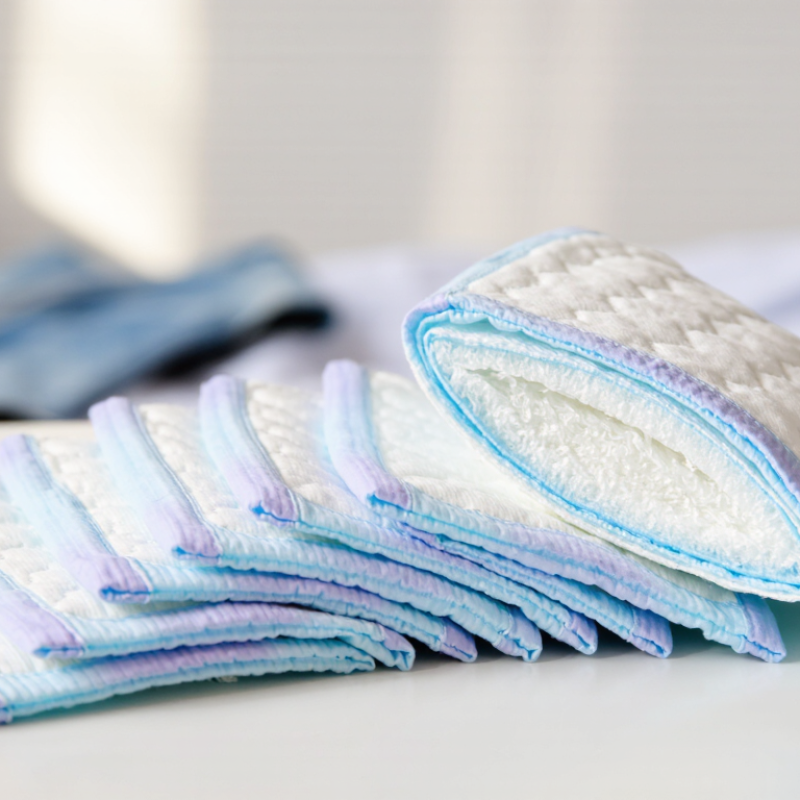
Adult Urine Pad products are designed to manage light to moderate urine leakage during daily activities, sleep, or travel. They fit inside underwear or specialized briefs. Their purpose is practical: keeping moisture away from clothing and skin for longer. However, no pad works perfectly for every body or situation.

Most pads use a soft top sheet, an absorbent core, and a moisture-resistant backing. When urine reaches the surface, the inner layer draws fluid away and holds it within tiny absorbent fibers. The backing helps prevent leaks onto trousers, bedding, or chairs. Some designs include adhesive strips, shaped edges, or odor-control materials. Fit matters greatly. A poorly positioned pad can leak, even when its absorbency rating seems suitable.

Comfort should remain part of the decision. A user may notice rubbing, heat, or dampness after several hours. Changing the pad promptly can help protect sensitive skin and reduce unpleasant odors. Washing hands before and after changing is also sensible. People with frequent leakage, pain, blood in urine, fever, or sudden bladder changes should seek medical advice. A pad manages the symptom, not always its underlying cause.

Product labels provide useful guidance, but real-world experience can differ. Movement, fluid intake, body shape, and timing all affect performance. It may take a few attempts to find the right size and absorbency. That trial-and-error process is normal. Reliable care combines a suitable Adult Urine Pad with skin awareness, regular changes, and professional support when needed.

What Is an Adult Urine Pad and How Does It Work?

Definition and Purpose of an Adult Urine Pad

An adult urine pad is a disposable or washable absorbent product designed for light to moderate urinary leakage. It sits inside underwear and helps protect clothing, bedding, and skin during daily activities. Unlike a diaper, it usually has a narrower shape and focuses on collecting urine from the bladder or urethral area.

The pad works through several layers. A soft top layer pulls moisture away from the skin. An absorbent core then holds the liquid, while a backing layer helps reduce leaks. Some pads include adhesive strips or shaped edges for better positioning. A correct fit matters. A loose pad may shift, while a tight one can cause discomfort and skin pressure. It should be changed when wet, not only when it feels full. This simple habit can reduce odor and irritation.

Tips: Choose absorbency based on actual leakage, not fear of accidents. Check the skin each day for redness, soreness, or dampness. Clean gently and allow the area to dry before applying a fresh pad. No pad feels perfect for everyone. If leakage becomes frequent, painful, sudden, or associated with burning, seek advice from a qualified healthcare professional. A pad manages symptoms; it does not identify or treat the underlying cause.

Main Types and Absorbent Materials

What Is an Adult Urine Pad and How Does It Work?

Main Types and Absorbent Materials

Adult urine pads are thin, shaped products designed to manage light or moderate bladder leakage. The CDC’s National Center for Health Statistics reported that 37.3% of women aged 60 and older experienced urinary leakage during 2015–2018. This figure shows why fit and material selection matter in daily care.

Main types include slim liners, contoured pads, male guards, and high-absorbency inserts. Liners suit occasional drips, while contoured pads provide wider protection around the groin. Male guards use a curved shape and adhesive strip for closer positioning. Pull-on absorbent underwear offers more coverage, especially during movement or overnight use. It is not always the best choice for everyone.

Most pads contain a soft nonwoven topsheet, cellulose fluff pulp, and superabsorbent polymer, or SAP. The topsheet moves urine away from the skin. Fluff pulp spreads the liquid across the core. SAP then locks fluid into a gel-like structure. A waterproof polyethylene backsheet helps prevent clothing leaks.

Technical testing, including ISO 11948-1 methods, measures absorbency under controlled conditions. Real life is less predictable. Sitting, walking, delayed changes, and incorrect sizing can reduce protection. A higher capacity number may look impressive, but it does not guarantee comfort or dryness. Skin sensitivity also deserves attention. Materials that feel soft at first may still cause heat or friction during long wear.

What Is an Adult Urine Pad and How Does It Work? - Main Types and Absorbent Materials
Product Type Typical Use Approximate Coverage Typical Absorbency Range* Primary Absorbent Materials Common Structural Features Best Suited For Important Considerations
Shaped Insert Pad Placed inside close-fitting underwear or a mesh support garment to manage light to moderate urine leakage. Approximately 25–45 cm long and 10–25 cm wide, depending on the design. About 200–700 mL nominal capacity. Fluff pulp, superabsorbent polymer (SAP), and a soft nonwoven acquisition layer. Contoured shape, elasticized edges, adhesive strip, and a breathable or moisture-resistant backsheet. Mobile adults with light or moderate bladder leakage. It normally requires snug underwear or a support garment. It should not be used as a substitute for a fully fitted brief when leakage is heavy.
Male Guard Pad Designed to fit the male anatomy and collect urine leakage around the penis. Usually 20–35 cm long with a tapered or contoured profile. About 150–600 mL nominal capacity. Fluff pulp and SAP within a cellulose-based absorbent core. Contoured pouch, elastic side edges, adhesive strip, and a liquid-resistant outer layer. Men experiencing light to moderate stress, urge, or post-void leakage. Correct positioning is essential. The pad should be changed when wet to help protect skin and reduce odor.
Pull-On Protective Underwear Worn like regular underwear for moderate leakage and easier self-management. Full underwear coverage; sizing is generally based on hip or waist circumference. Approximately 600–1,500 mL nominal capacity. Fluff pulp combined with SAP, plus a nonwoven acquisition and distribution layer. Stretch side panels, elastic leg cuffs, high-rise waistband, and a breathable backsheet. Active adults who can pull clothing up and down independently or with limited assistance. Fit around the waist and legs is critical. A loose fit may cause leakage, while excessive tightness can create discomfort and skin marks.
Adult Brief with Tabs Provides a secure, adjustable fit for moderate to heavy urinary incontinence. Full front, back, and perineal coverage; available in multiple waist and hip sizes. Approximately 1,000–3,000 mL nominal capacity. Fluff pulp, SAP, tissue or air-laid core materials, and nonwoven fluid-management layers. Adjustable refastenable tabs, elastic leg gathers, standing leak guards, and a moisture-resistant backsheet. People with heavier leakage, limited mobility, or caregivers who provide changing assistance. Tabs allow the fit to be adjusted while the user is standing or lying down. The product should be changed regularly even if it is not completely saturated.
Booster Pad Placed inside a compatible brief or pull-on product to provide additional absorbent capacity. Approximately 35–70 cm long, with a narrow or contoured shape. About 300–1,000 mL nominal capacity, depending on size and core construction. Cellulose fluff and SAP, often with a highly absorbent core and a nonwoven cover. Usually has no fully waterproof backing, allowing excess urine to pass into the primary garment. Users who need extra protection between changes or overnight. It should be used only with a compatible primary product. A waterproof-backed booster may prevent the main garment from absorbing liquid effectively.
Reusable Cloth Pad Washable option for light to moderate leakage, often used as an alternative to disposable inserts. Approximately 25–45 cm long and 10–25 cm wide. Roughly 100–500 mL, depending on the number and type of fabric layers. Cotton, bamboo or polyester absorbent fabric, sometimes combined with microfiber and a waterproof membrane. Snap fasteners or fabric wings, multiple absorbent layers, and a washable moisture barrier in some designs. People who prefer reusable products and have access to regular washing and drying. It must be washed according to care instructions and dried thoroughly. Damp storage can encourage odor and microbial growth.
Disposable Underpad Protects beds, chairs, wheelchairs, and other surfaces from urine leakage; it is not worn as underwear. Common sizes range from approximately 60 × 60 cm to 60 × 90 cm. About 500–2,000 mL, depending on the absorbent area and core weight. Fluff pulp, SAP, tissue or nonwoven distribution layers, and a polyethylene or breathable film backing. Flat rectangular construction, sealed edges, absorbent center, and waterproof underside. Bed and furniture protection, changing assistance, and supplemental nighttime protection. It should be positioned flat without excessive folding. An underpad does not replace a properly fitted wearable incontinence product.
Washable Underpad Reusable surface protection for beds, sofas, wheelchairs, and examination or changing areas. Common sizes range from approximately 60 × 90 cm to 90 × 150 cm. Typically about 500–2,000 mL, depending on fabric layers and product size. Cotton, polyester, microfiber, or bamboo absorbent layers with a polyurethane or similar waterproof membrane. Quilted absorbent center, waterproof backing, and sometimes tuck-in flaps to reduce movement. Households or care settings seeking reusable surface protection. It should be washed and dried completely after use. Fabric softeners may reduce absorbency in some textile constructions.
All-in-One Swim or Water-Use Brief Helps contain solid waste during water activities; it is generally not designed to absorb large amounts of urine. Full garment coverage with a size based on waist, hip, or body measurements. Minimal urine absorbency because absorbent materials swell and become heavy in water. Water-resistant textile layers, elastic containment barriers, and sometimes a small low-bulk absorbent lining. Close-fitting leg openings, waterproof or water-resistant fabric, and secure waist fastening. People who need containment support during swimming or bathing. It should not be treated as a standard urine pad. A regular absorbent product is usually needed before and after water activities.
Odor-Control or Skin-Friendly Pad Manages urine leakage while incorporating materials intended to reduce odor or improve skin comfort. Varies by format, commonly similar to insert pads, guards, or pull-on underwear. Depends on the underlying product type, commonly 200–1,500 mL. Fluff pulp, SAP, breathable nonwovens, and may include odor-adsorbing carbon or pH-balanced skin-contact materials. Breathable backsheet, soft topsheet, elastic barriers, and a multi-layer fluid distribution system. Users concerned about odor, heat, friction, or prolonged sitting. Odor-control features do not eliminate the need for timely changing, cleansing, and regular skin assessment.

*Absorbency figures are approximate nominal ranges. Actual performance varies with product design, testing method, urine volume and flow rate, body position, fit, and time between changes.

How Adult Urine Pads Work

An adult urine pad is a disposable absorbent product designed for light to moderate bladder leakage. It usually rests inside close-fitting underwear and uses an adhesive strip to stay in place. Fit matters. A pad works through several layers, not one magical material.

The soft top sheet lets urine pass quickly while helping keep the skin feeling drier. Beneath it, an absorbent core captures liquid and holds it in gel-like particles. These particles swell and lock away moisture when pressure is applied. A thin, water-resistant backing helps prevent leakage onto clothing. Raised edges can guide fluid toward the center, especially when the wearer moves, sits, or coughs.

Choosing the right size and absorbency is important. A loose pad may shift, while an overly narrow pad may leave gaps. Not every pad works equally well for every body or leakage pattern. Change the pad when it feels wet, heavy, or uncomfortable. Waiting too long can increase skin irritation and odor.

Clean, dry skin improves comfort, although some people may still need a gentle protective cream. If leakage suddenly becomes frequent, painful, bloody, or difficult to control, a qualified healthcare professional should assess the cause. No pad is perfect, and real-life movement can expose weaknesses that a product label may not mention.

Choosing the Right Size and Absorbency

An adult urine pad is a shaped, absorbent insert worn inside close-fitting underwear. Its top layer pulls urine away from the skin, while the absorbent core holds fluid and the backing helps prevent seepage. Some pads include elastic edges for movement. They are designed for light to moderate leakage, not every bladder problem.

Choosing the right size starts with body measurements, not guesswork. Measure around the hips or waist, following the product’s sizing guide. A pad that feels tight may press against the skin and leak around the edges. One that is too loose can shift while walking. NIDDK data indicates that urinary incontinence affects millions of adults, but leakage patterns differ widely. Your daily experience matters.

Absorbency should match the amount and timing of leakage. A thin pad may suit a few drops during coughing. A higher-capacity option may work better during commuting or several hours away from a bathroom. Overnight needs can be different. Check the stated capacity carefully. ISO 11948-1 provides a standardized laboratory method for testing absorbency, yet real-life results can vary with movement, fit, and urine speed. Labels are not perfectly comparable. That is worth remembering. If leakage repeatedly overwhelms the pad, consider a larger design or consult a qualified healthcare professional, especially when symptoms suddenly change.

Proper Use, Changing, and Disposal

What Is an Adult Urine Pad and How Does It Work?

An adult urine pad is a disposable absorbent product for light or moderate urinary leakage. Its soft top layer pulls moisture away from the skin. An absorbent core then holds urine, while leak barriers reduce side flow.

The National Institute of Diabetes and Digestive and Kidney Diseases reports that urinary incontinence affects about one in two women and one in four men over 65.

Proper use starts with choosing the correct absorbency and size.

Place the pad inside close-fitting underwear, with the wider section facing the back. The product should sit flat, not folded or compressed. Check it regularly, even when it feels dry. A wetness indicator can help, but it is not perfectly accurate.

Change the pad after a bowel movement, when saturated, or when the skin feels damp. Many users need changes every three to four hours, but fluid intake and leakage vary.

Clean the skin gently, pat it dry, and consider a fragrance-free barrier cream. Avoid scrubbing. It can worsen irritation.

Dispose of used pads in household waste unless local healthcare rules require another method. Roll the pad inward, seal it in a small bag, and wash your hands afterward. Never flush it.

The U.S. Environmental Protection Agency warns that non-flushable hygiene products can contribute to sewer blockages.

A practical detail is often missed: if odor becomes noticeable, the pad may have stayed on too long.

Cart Summary

Subtotal: $0